



Discover The Beara Way
-
Frequently Asked Questions
How difficult is the Beara Way?
The Beara Way is a moderate Classic route, but it combines shorter and longer hikes as you cross the whole of the Beara Peninsula on the 10 day, and a shorter bit of the route on the 6 day version. Distances ranging from 11 to 22.5 km (7 to 14 mi) which is about 6 - 8 hours of hiking. Both Beara Way tours are suitable for regular hikers, but it is advisable to do several longer hikes of a similar distance on undulating terrain to build up your fitness before setting off.What is the terrain like on the Beara Way?
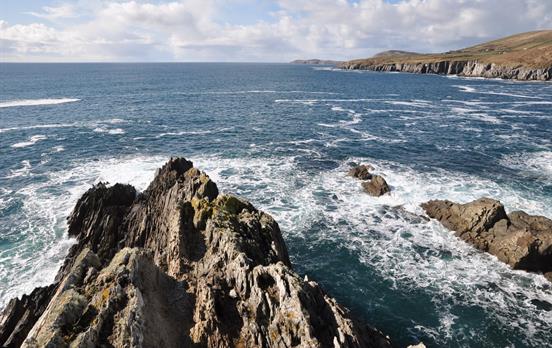
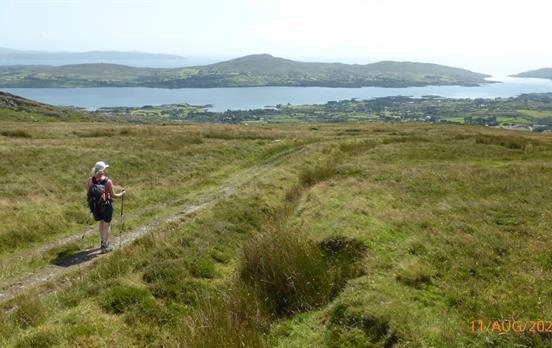
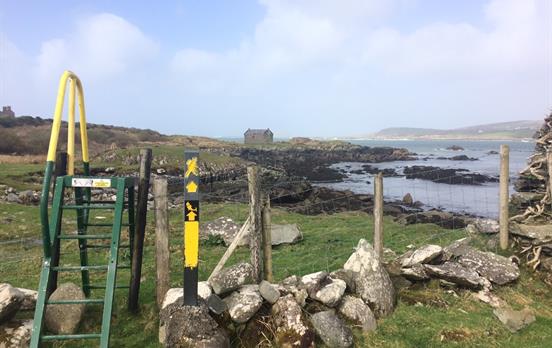
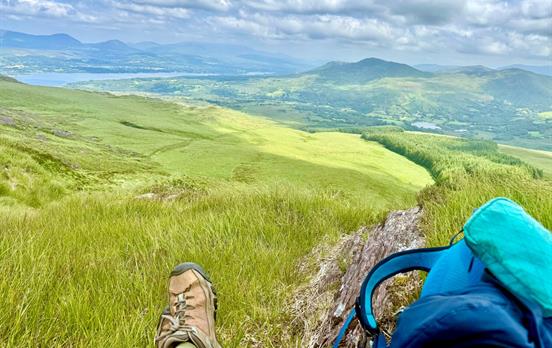
The terrain consists of mainly quiet tarmac roads, bog roads, cliffs, and woodland paths. Some sections cross open moorland and at times it can feel rough underfoot. Although the paths are not very high, the area can feel quite isolated and you are exposed to the elements. During rainy weather some of the trails can be muddy, and boggy, and visibility might be low, so be prepared to get your boots wet and wear very good quality hiking and waterproof boots. Wearing gaiters is also a good option.Why hike the Beara Way over another Ireland trail?
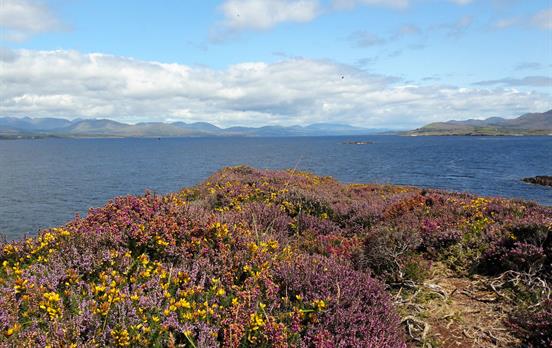
The Beara Way is one of Ireland's best kept hiking secrets - it sees far fewer hikers, and it offers coastal, mountain and inland pastoral landscapes that take you through small villages and heritage towns.What is included in your Beara Way Ireland tour packages?
Most trips include accommodation, daily breakfast, luggage transfers on hiking trips where available, route guidance in the Macs Adventure app, and 24/7 support.
Are these guided or self-guided Beara Way Ireland tours?
Our trips are self-guided. You travel independently while we take care of the planning and support. You navigate our curated itineraries with our award-winning app and enjoy hand-picked lodgings.
When is the best time to visit the Beara Way in Ireland?
Late spring through early fall is usually the most popular period, with long daylight hours and good trail conditions.![Frequently Asked Questions]()
-
What makes the Beara Way so good for active travel?
The Beara Way and Ireland itself pack a lot into a relatively small island - dramatic coasts, quiet rural roads, long-distance trails, lively towns, and big scenery, ideal for exploring on foot. For travelers comparing Ireland tours who would prefer their Ireland vacation to be more active and flexible, Macs' self-guided hiking Ireland options are ideal. Click here to learn about the best hikes in Ireland.
![What makes the Beara Way so good for active travel?]()
-
Why travel to Ireland with Macs Adventure?
With 20+ years of experience and expertly planned self-guided trips, Macs Adventure makes hiking and biking in Ireland feel easy. We arrange handpicked stays, luggage transfers, and route guidance in our app, so you can travel at your own pace with 24/7 support and the freedom to enjoy the journey. Dive into our Complete Ireland Travel Guide to learn why we think an active adventure in Ireland should be on your bucket list!
![Why travel to Ireland with Macs Adventure?]()
-
When is the best time to hike the Beara Way & Ireland?
Our Beara Way and Ireland hiking tours begin in the early spring, late March and April, which sees fewer travelers, mistier weather but plenty of green vistas and blossoms. The most reliable weather however can be found in the summer months, along with warmer temperatures. And on the coastal routes, midges are not really a problem because of the headwinds. The rich colors of autumn can be seen in September and early October, making this a special time to go, even if the chance of mist and rain is a bit higher. Learn more in our Seasonal Guide to Ireland
![When is the best time to hike the Beara Way & Ireland?]()
-
Irish Pub Culture
Irish pubs are famous throughout the world, and most major cities now have an Irish pub/bar. However, an authentic Irish pub is not full of people with green hats with shamrocks dangling from them!
Who goes to the pub: In the late 17th century, the ‘Public House’ was a place for working men to drink. It's now a hub for the local community and everyone, including children are welcome. It’s common for an Irish family to take a baby baptism party for a drink at the pub after church. The Irish love getting together and having a chat over an informal pint.
The ‘Craic’: Pronounced ‘crack’, this very Irish saying translates to ‘What’s been going on with you, tell me a story about your day’. You go to the pub to hear the craic.
Buying rounds: The landlord of the pub is also normally a friend and will know all the locals. You order at the bar, and no tip is expected. If you’re with a group, you’ll take turns in buying drinks for the table. But you can’t leave before it’s your round!
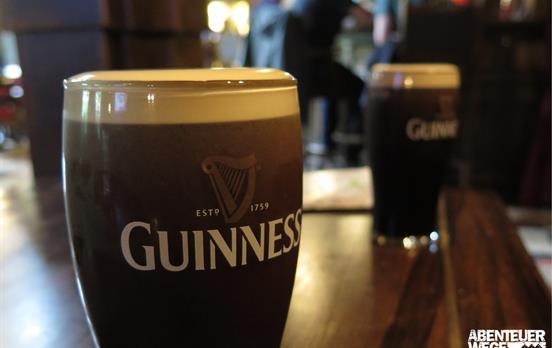
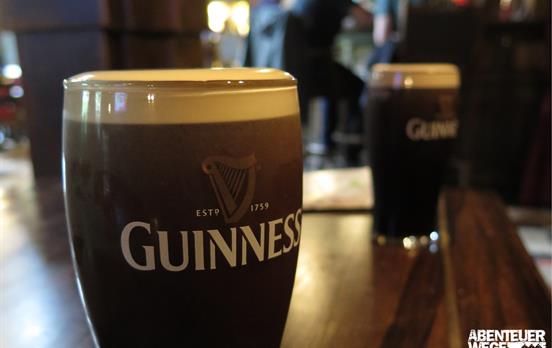
Guinness: A pint of The Black Stuff. It’s unlikely that you’ll find an Irish pub which doesn’t sell Guinness. First brewed in Dublin in 1759 and is now brewed worldwide – however naturally it always tastes better in it’s homeland!
The music: Small groups of local musicians will often play in the pub. It’s a casual affair with the musicians sitting in the corner drinking pints whilst playing. Impromptu music with a singsong and the tin whistle is less common, but this is the magic of small-town pubs when friends get together.
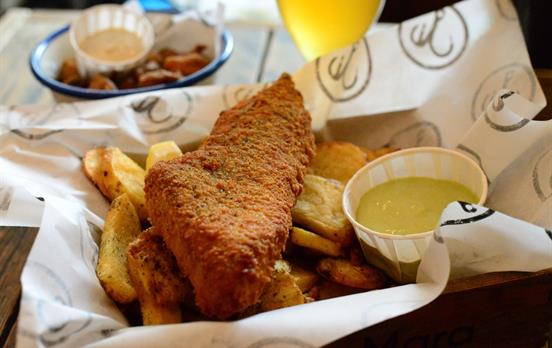
Food: A few pubs will serve food, but not all. However, you’ll aways be able to get a small pack of salty peanuts and a bag of ‘crisps’…don’t ask for chips as might end up with a portion of fries!
Sláinte: Cheers
![Irish Pub Culture]()
-
Irish Food – Top 5
Shellfish - Being an island nation, it’s no wonder seafood especially shellfish is popular. Lobster, crab, shrimps and mussels can be found on most menus in the summer, and in September oysters come into season. Food festivals such as the Galway Oyster Festival (September) and the Dublin Bay prawn festival in Howth (May) are a joy for foodie visitors.
Soda Bread - The basic ingredients are always the same, baking soda, buttermilk and flour. However, every Irish family has a different recipe which can include adding seeds, bran or oats and making it sweet with honey or dried fruits. Always eaten sliced with butter.
Stew - A good plate of hearty Irish stew is a one-pot meal with potatoes, onions and traditionally mutton, but usually lamb these days. Carrots are sometimes added, and it’s left to simmer and reduce for a thick delicious warming meal coming in from a rainy day!
Colcannon and Champ - Both these dishes are potato based, and it’s unlikely you’d have both on your plate at the same time. Champ is mashed potato with spring onions, butter and milk. Colcannon is the same but also includes cabbage or kale.
Boxty - Another potato dish, Boxty covers the full range of potato dumplings, potato pancakes and potato bread. Usually, it’s grated potato mixed with mashed potato and then cooked in different ways for the various types. It’s often eaten with eggs and bacon for breakfast or with smoked salmon for lunch.
![Irish Food – Top 5]()
-
Gaeltacht and local lingo
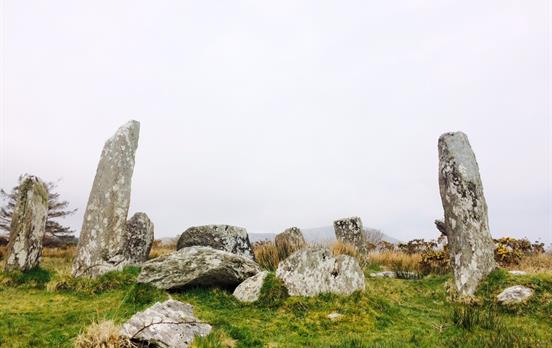
The Beara Peninsula is a "Gaeltacht" area of the Emerald Isle, where the Irish language (Gaelic) is widely spoken at home, in schools and even the workplace. Due to its remote location, it was removed from the influences of the modern world for a long time and the local language and traditions have largely remained intact. Staying in "Gaeltacht" villages means you get to really immerse yourself in the Irish cultural heritage.
You can be sure to come across the Gaelic symbols during your Beara Way adventure - road signs, names, descriptions and even menu items! Learning a few phrases will help you to get a deeper understanding of the people of this beautiful part of the world.
Here are a few sentences to practice:
Good morning - "Maidin Mhaith" (pronounced: mod-jin wot)
Cheers - "Slainte" (pronounced: slawn-cheh)
I speak only a little Irish - "Níl agam ach beagáinín Gaeilge" (pronounced: kneel ah-gum ock byug-aneen gayle-geh)
Thank you - "Tapadh leat" (pronounced: tapah lat)
The weather is beautiful today - "Ta an aimsir go halainn inniu" (pronounced: taw an eyeim-shur guh haul-inn inn-you)
![Gaeltacht and local lingo]()






 Canada