



Discover The Kerry Way
-
Dingle Way vs Kerry Way
We are often asked - which is better, the Dingle Way or the Kerry Way? The answer is, it depends! Both offer otherworldly landscapes, rich histories, and a hearty dose of Irish hospitality. But which one is right for you? Click here to find out...
![Dingle Way vs Kerry Way]()
-
Frequently Asked Questions
Are these guided or self-guided Kerry Way tours?
Our trips are self-guided. You travel independently without a group or guide, while we take care of the planning and 24/7 support, including daily luggage transfers. You navigate our curated itineraries with our award-winning app and enjoy hand-picked lodgings each night and a hearty Irish breakfast each morning.
How difficult is the Kerry Way?
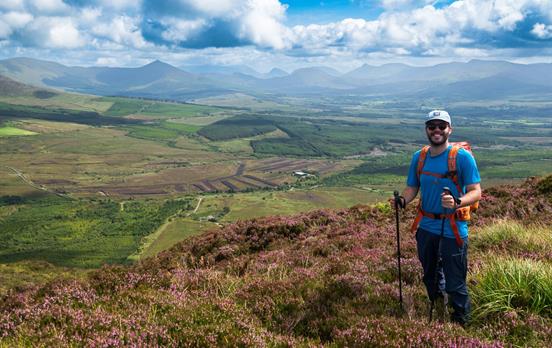
Both the 12 day and the 11 day full route tours are rated moderate to strenuous, and require between 7 to 9 hours per day of hiking. Hikers will need to be prepared for some long days including a 31km (19 mile) day (although it is possible to shorten this day). The first half of the Kerry Way is more strenuous than the second half, this is mainly due to the ruggedness of the terrain through Black Valley and Glencar. In bad weather, these sections can take much longer than expected. It is generally a low-level (albeit undulating) route, interspersed with several ridge and spur crossings of between 200-300m (650-985ft). The highest point of the route is the summit of Knockavahaun at 371m (1217ft). It is advisable to do several longer hikes of a similar distance to build up your fitness before setting off on the Kerry Way.Our Kerry Way Short Break is rated easy to moderate, and covers the first sections of the Kerry Way.
What is the difference between the 12 day and 11 day Kerr Way tours?
On our 12-day itinerary, you start hiking from Killarney. Although the final 15km (9.3miles) on the last day is a repeat of the first 15km (9.3miles) on Day 1, you will hike in the opposite direction and get the added satisfaction of completing the full route.
Our 11-day itinerary is set up to avoid hiking the same section twice (Killarney - Galway's Bridge). A morning transfer on your first walking day brings you to Galway's Bridge, from here it is a long and strenuous hike to Glencar. You will hike the section between Galway's Bridge and Killarney on your final day.We recommend adding a rest day somewhere near the middle of the itinerary, after completing the challenging first half of the way. Cahersiveen is the ideal place to add an extra night, there are plenty of things to do and the town has great amenities.
What is the terrain like on the Kerry Way?
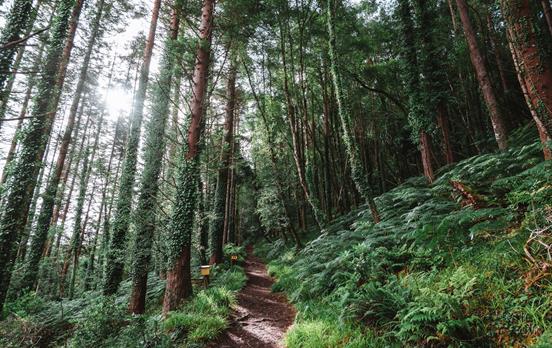
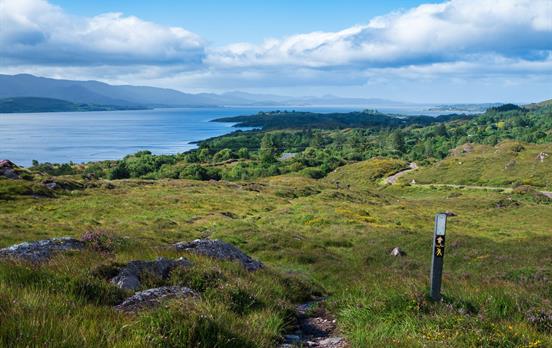
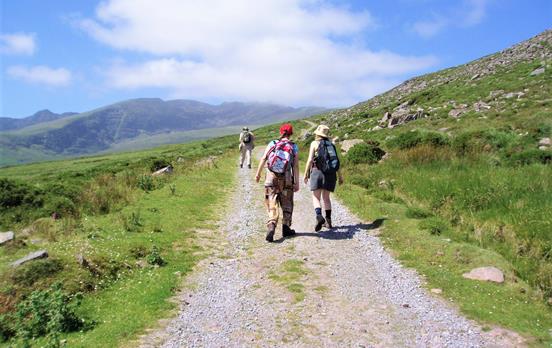
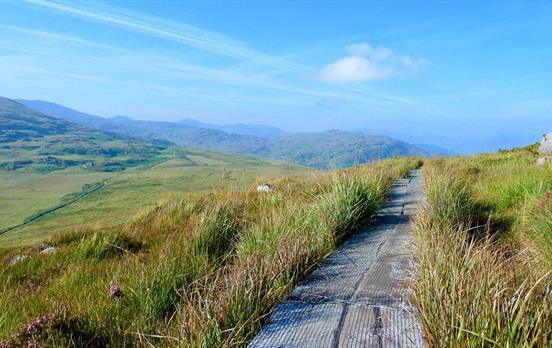
The Kerry Way uses a variety of routes, from forest tracks, farm tracks, and paths across moorland and fields to historic old roads through villages. Overall, about 35% of the Kerry Way follows tarmac roads (also known as bitumen) which is less than most Irish national trails. This reflects the fact that rights of way are almost non-existent in Ireland. The road walking is scenic and mostly along quiet lanes with little traffic, although a few short sections are along busier main roads where extra care and attention are needed.We recommend good hiking shoes/boots (ideally waterproof), comfortable hiking clothes, waterproof jacket and trousers, a daypack and hats/gloves etc. Hiking poles are a personal choice, but many hikers find them useful.
What is included in your Kerry Way tour packages?
Most trips include accommodation, daily breakfast, luggage transfers as applicable, route guidance in the Macs Adventure app, and 24/7 support.![Frequently Asked Questions]()
-
Why hike the Kerry Way with Macs Adventure?
With over 20 years of experience and expertly planned self-guided trips, Macs Adventure makes hiking the Kerry Way in Ireland feel easy. We arrange handpicked stays with daily breakfasts, luggage transfers, and route guidance in our app, so you can travel at your own pace with 24/7 support and the freedom to enjoy the journey. Dive into our Complete Ireland Travel Guide to learn why we think an active adventure along the Kerry Way in Ireland should be on your bucket list!
![Why hike the Kerry Way with Macs Adventure?]()
-
When is the best time to hike the Kerry Way?
Our self-guided Kerry Way hiking tours begin in the early spring, late March and April, which sees fewer travelers, mistier weather but plenty of green vistas and blossoms. The most reliable weather however can be found in the summer months, along with warmer temperatures. And unlike Scotland - midges are not really a problem along the coastal areas of the Kerry Way due to the headwinds. The rich colors of autumn can be seen in September and early October, making this a special time to go, even if the chance of mist and rain is a bit higher. Learn more in our Seasonal Guide to Ireland
![When is the best time to hike the Kerry Way?]()
-
Points of Interest
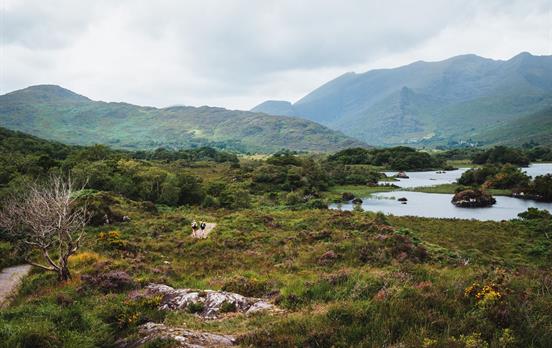
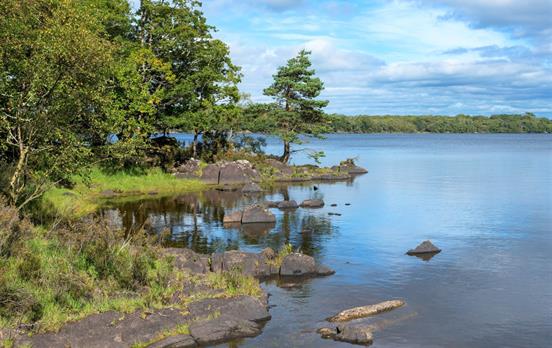
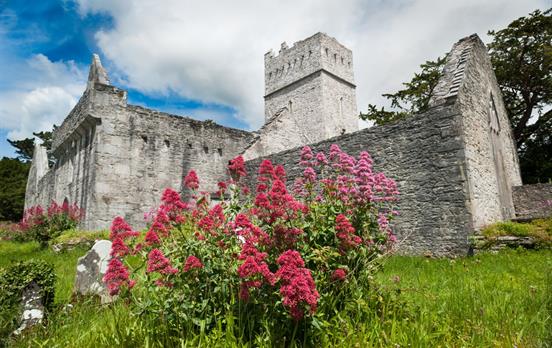
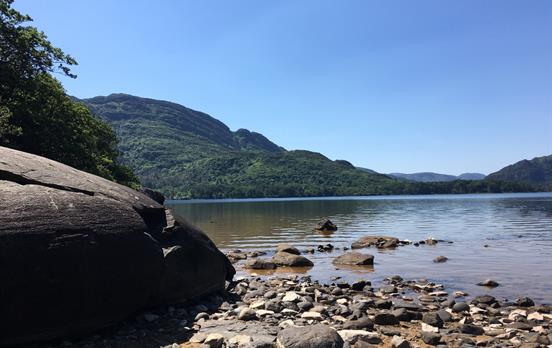
Killarney National Park – This is Ireland’s first national park with extensive areas of native forest, calm lakes, and quiet moorland. One of the two main highlights are Ross Castle and Muckross House which are well worth a visit.
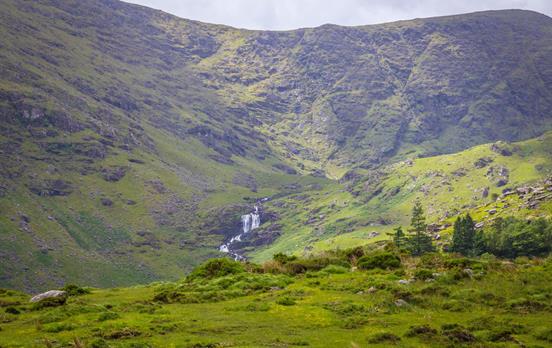
Black Valley – This remote valley is locally known as Cummeenduff meaning “Black Valley” in Irish. It is located at the end of the MacGillycuddy's Reeks mountain range in Kerry, south of the Gap of Dunloe. It was the last place in Ireland to be connected to the national electric grid in 1976.
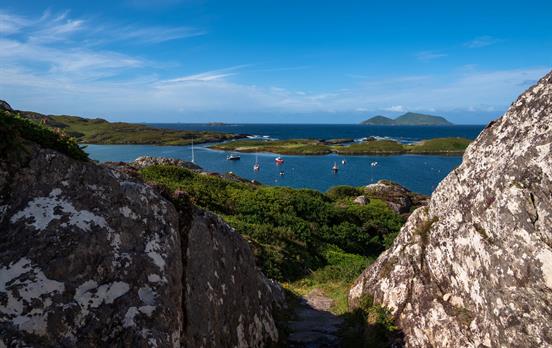
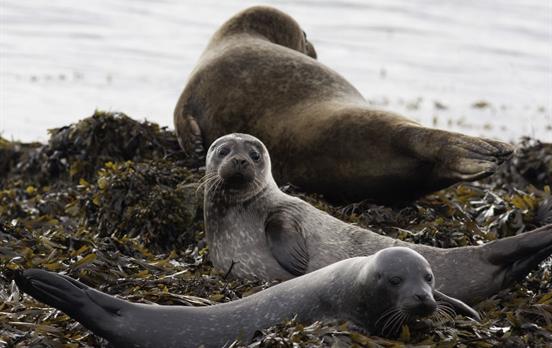
Kenmare Bay – Kenmare is a small town that is also referred to as “the jewel in the Ring of Kerry”. The name is the anglicised form of Ceann Mara, meaning "head of the sea" which refers to Kenmare Bay. Make sure to wave hello to one of the local seals!
Staigue Fort – This is one of the largest ring forts to be found in Ireland and is located just outside Sneem on the Iveragh Peninsula in Kerry. It is thought to have been built during the Iron Age between 300 and 400 AD as a defensive stronghold for a local lord or king.
Skellig Islands – These are two uninhabited, rocky and remote islands off the southwestern coast of Ireland. Although not part of the Kerry Way route, this could make for a fascinating detour. Its well-preserved 6th-century monastery has been designated a UNESCO World Heritage Site. The islands can be visited from the coast of Portmagee. If you want to see puffins, go before August!
![Points of Interest]()
-
Gaeltacht and the local lingo
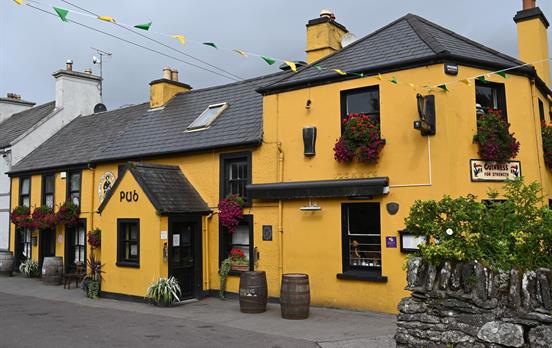
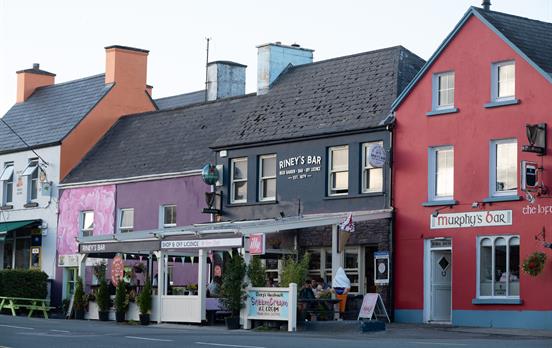
County Kerry is one of the main "Gaeltacht" areas of the Emerald Isle, where the Irish language (Gaelic) is widely spoken at home, in schools and even the workplace. Due to its remote location, it was removed from the influences of the modern world for a long time and the local language and traditions have largely remained intact. Staying in "Gaeltacht" villages means you get to really immerse yourself in the Irish cultural heritage.
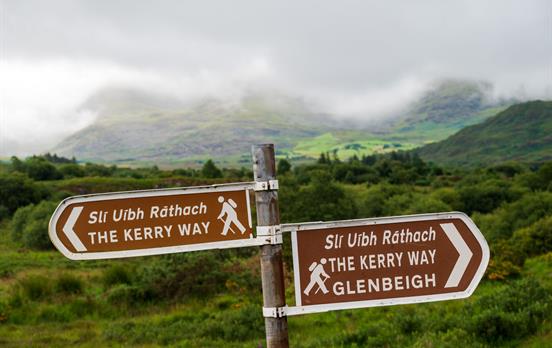
You can be sure to come across the Gaelic symbols during your Dingle Way adventure - road signs, names, descriptions and even menu items! Learning a few phrases will help you to get a deeper understanding of the people of this beautiful part of the world.
Here are a few sentences to practice:
Good morning - "Maidin Mhaith" (pronounced: mod-jin wot)
Cheers - "Slainte" (pronounced: slawn-cheh)
I speak only a little Irish - "Níl agam ach beagáinín Gaeilge" (pronounced: kneel ah-gum ock byug-aneen gayle-geh)
Thank you - "Tapadh leat" (pronounced: tapah lat)
The weather is beautiful today - "Ta an aimsir go halainn inniu" (pronounced: taw an eyeim-shur guh haul-inn inn-you)
![Gaeltacht and the local lingo]()








 Canada