











Discover The Wicklow Way
-
Frequently Asked Questions
How difficult is the Wicklow Way?
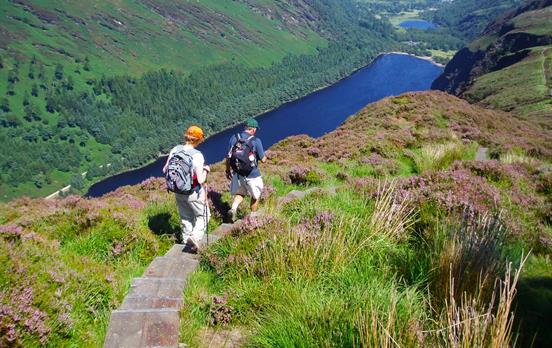
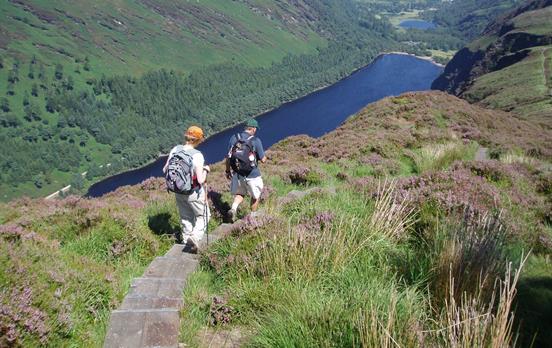
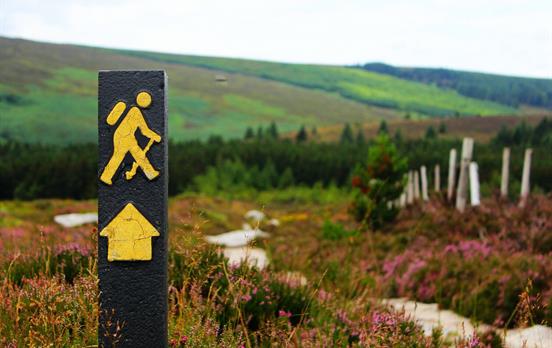
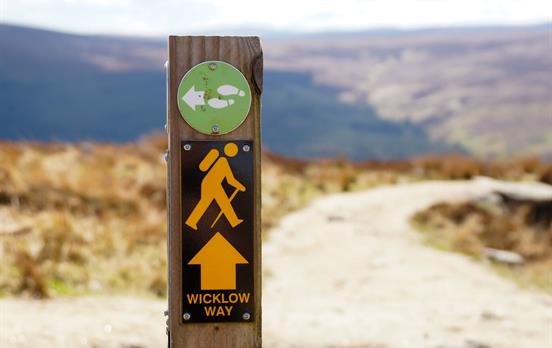
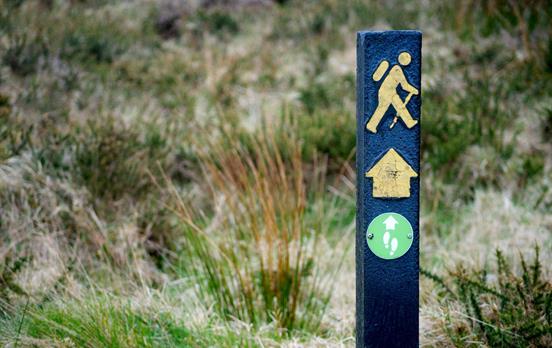
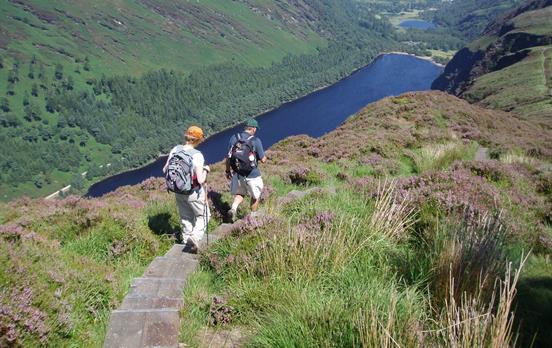
The Wicklow Way full trail is rated as moderate, whether you do it in 8 days or 10 days, and includes daily hikes of between 12 - 21 km / 7 -13 miles, with several ascents and descents along the way. Most days offer between 6 to 8 hours of walking on good terrain which may include footpaths, forest tracks, boardwalks and minor roads. The Way does not go any higher than 630m / 2066ft, so while undulating, it is comparatively low-level.Our Short Break & Dublin & Wicklow Way in Comfort tours are both rated easy to moderate and offer more flexible days. Both are accessible and easy-to-navigate hiking tours suited to anyone with a good level of fitness. Each allow you to explore Dublin with an included walking track in our app, before striding out into the wild Wicklow Mountains. Several days involve ascent and descent with the first walk to Roundwood being more challenging and leaning towards moderate grading. The terrain and scenery are varied, the paths are mostly well-maintained and waymarked, making this trip ideal for regular walkers or beginners looking for a challenge.
What is the terrain like on the Wicklow Way?
Most of the walking is on forest tracks, pastoral footpaths trails and boardwalks. Overall, around 25% of the Wicklow Way consists of road walking, but in the southernmost section (past Tinahely) this rises to around 63% for those 2 days.Are these guided or self-guided Wicklow Way tours?
Our trips are self-guided. You travel independently without a group or guide, while we take care of the planning and 24/7 support, including daily luggage transfers. You navigate our curated itineraries with our award-winning app and enjoy hand-picked lodgings each night and a hearty Irish breakfast each morning.What is included in your Wicklow Way tour packages?
Most trips include accommodation, daily breakfast, luggage transfers as applicable, route guidance in the Macs Adventure app, and 24/7 support.![Frequently Asked Questions]()
-
Why hike the Wicklow Way with Macs Adventure?
With over 20 years of experience and expertly planned self-guided trips, Macs Adventure makes hiking the Wicklow Way in Ireland feel easy. We arrange handpicked stays with daily breakfasts, luggage transfers, and route guidance in our app, so you can travel at your own pace with 24/7 support and the freedom to enjoy the journey. Dive into our Complete Ireland Travel Guide to learn why we think an active adventure along the Wicklow Way and in Ireland should be on your bucket list!
![Why hike the Wicklow Way with Macs Adventure?]()
-
Top 4 Reasons to Walk the Wicklow Way
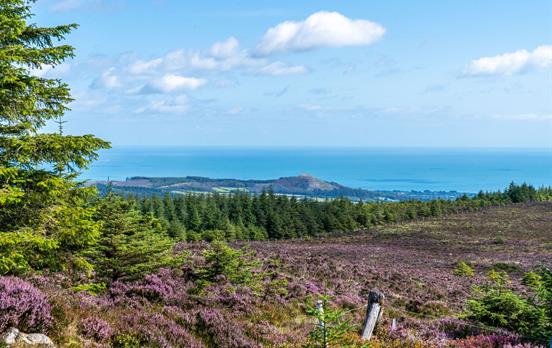
Combine a trip to the metropolitan city of Dublin with the remote uplands and glacial valleys of the Wicklow Mountains. The Wicklow Way walking route is accessible, has varied scenery and terrain, and is well-maintained and waymarked.
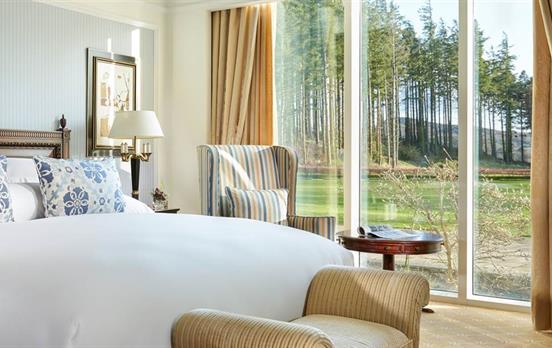
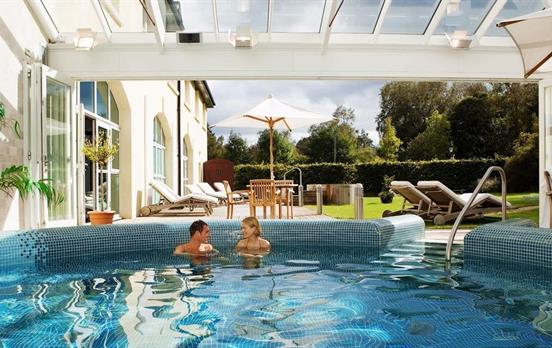
Because of the remote nature of the trail and the mountainous areas, the accommodations are mainly small, friendly B&Bs and Guest Houses. This really adds to the experience and you can be sure of a warm Irish welcome, hearty meal, and comfortable bed!
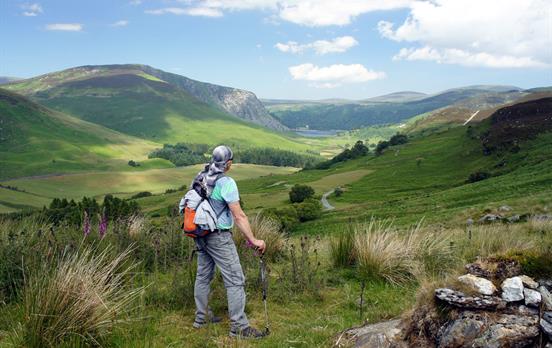
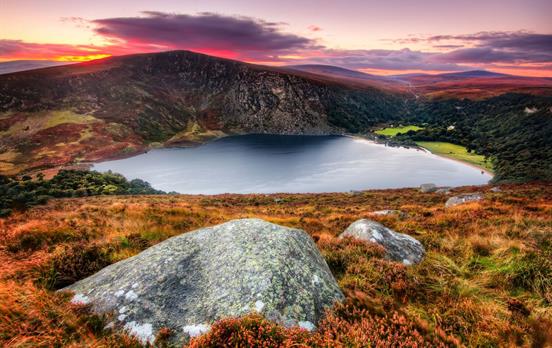
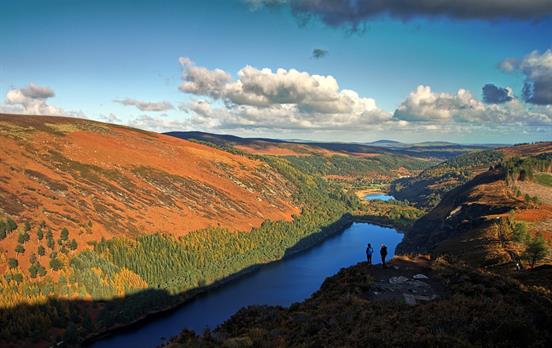
Visit some of the most interesting sites, such as the ruins of Glendalough Monastic City, the historic downtown of Dublin, the Powerscourt Estate, the sheer beauty of Glenmalure Glacial Valley and the far-reaching views across Lough Tay and Djouce Mountain.
We take away the stress and hassle of organising the logistics of walking this trail yourself. With our expert knowledge of the area and connections with local providers, all you do is choose an itinerary, we will take care of anything else! From booking our hand-picked B&B’s to organising daily luggage transfers, and 24/7 emergency support.
![Top 4 Reasons to Walk the Wicklow Way]()
-
When is the best time to hike the Wicklow Way?
Our self-guided Wicklow Way hiking tours begin in the early spring, late March and April, which sees fewer travelers, mistier weather but plenty of green vistas and blossoms. The most reliable weather however can be found in the summer months, along with warmer temperatures. The rich colors of autumn can be seen in September and early October, making this a special time to go, even if the chance of mist and rain is a bit higher. Learn more in our Seasonal Guide to Ireland

-
Points of Interest
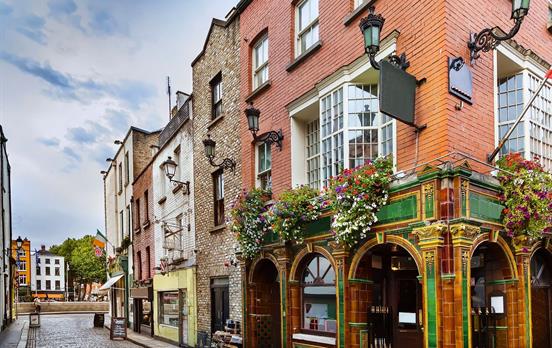
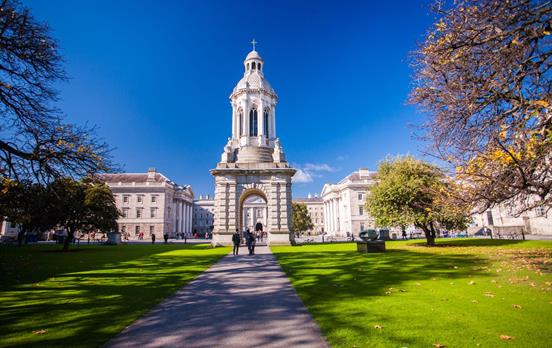
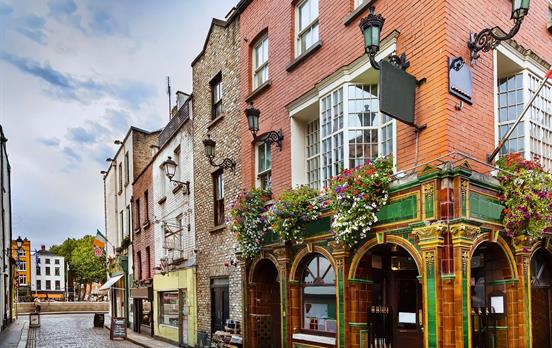
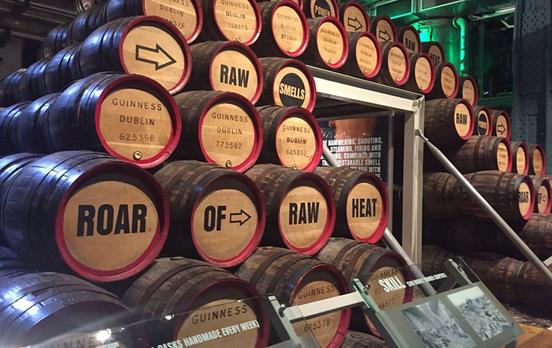
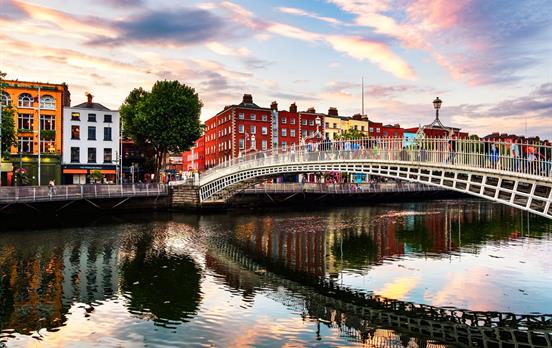
Dublin City - Ireland's capital and "UNESCO City of Literature" is easily accessible and worth exploring before striding out into the wild Wicklow Mountains. Make sure to visit Trinity College, the Book of Kells, the Guinness Factory, St Stephan's Green, and the Temple Bar District.
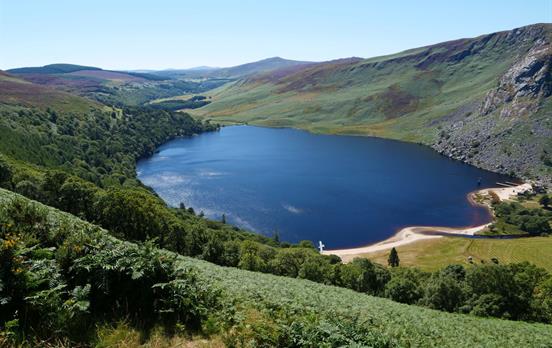
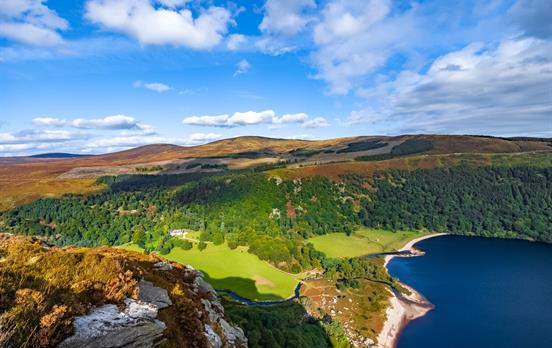
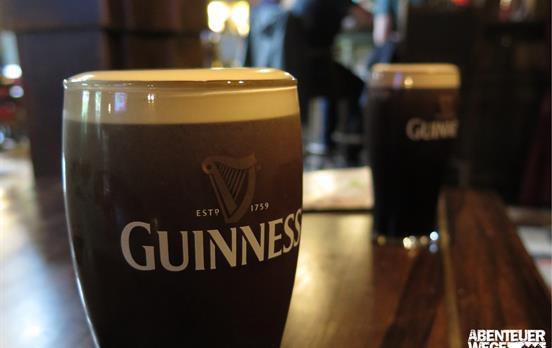
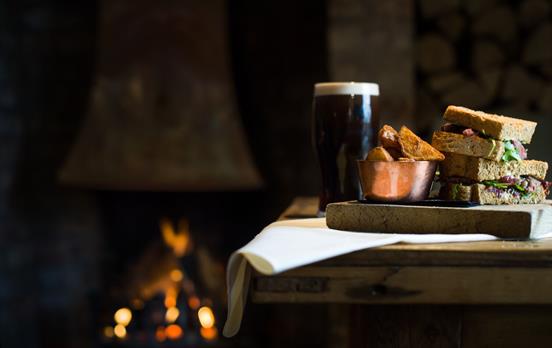
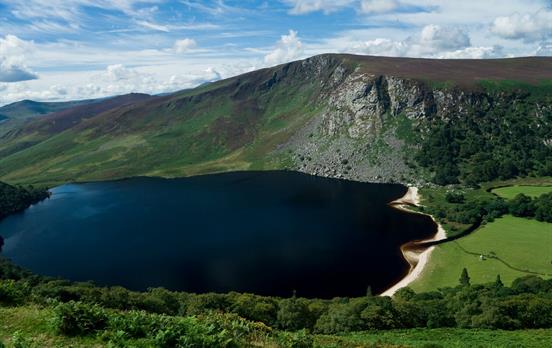
Lough Tay - Also nicknamed "Lake Guinness" because of the dark color of its water which resembles that of a pint of Guinness. It is said that the Guinness family imported white sand to be laid on the northern shore to make it look like the creamy head of the pint. Besides, the lake is on a private estate owned by The Guinness Family Trust.
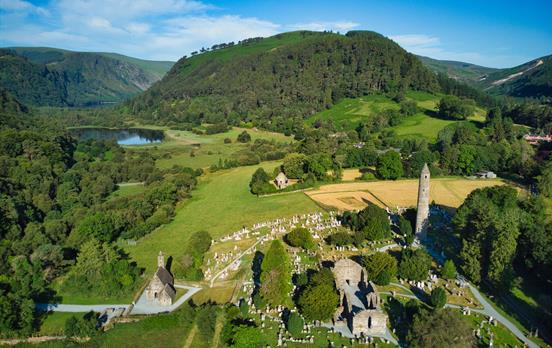
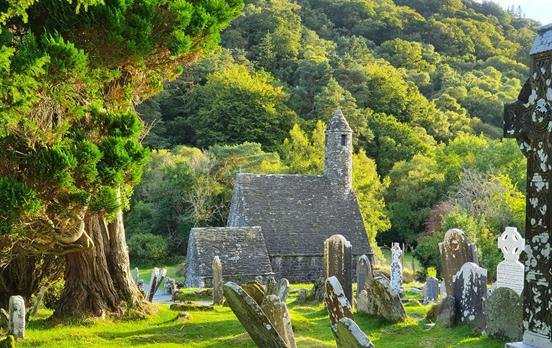
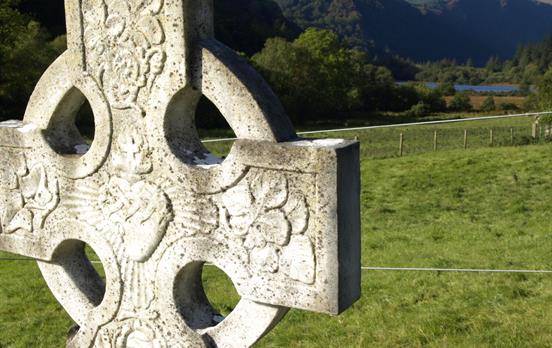
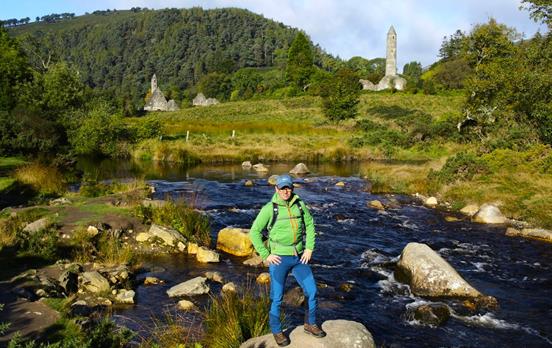
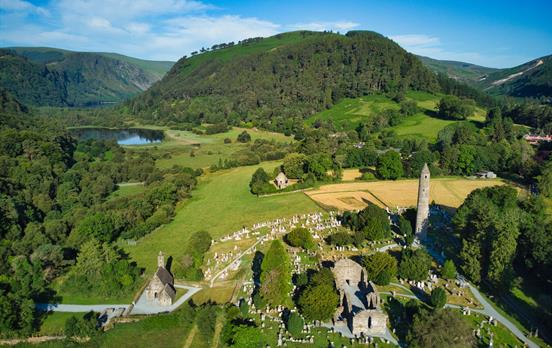
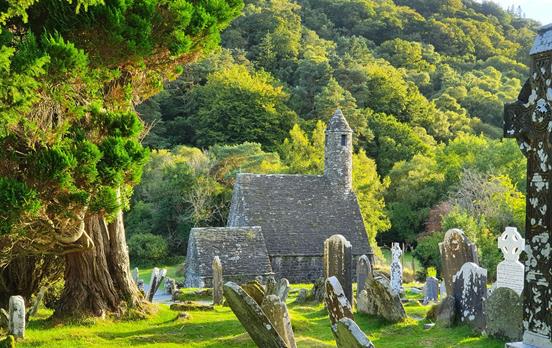
Glendalough Monastic City - One of the most iconic sites along the Wicklow Way trail dating back to the 6th-century when it was founded in honour of St Kevin. The monastery was a centre of learning and religion and preserved literary works and traditions for over 900 years. Today the valley and its lake are a place of beauty.
Djouce Mountain - Although it is not the highest of the Wicklow Mountains (which is Lugnaquilla at 925m) it is the highest mountain on this route at 725m. Interestingly, the total combined ascent of the full Wicklow Way is 3200m which makes the sense of achievement upon completing the walking trail even bigger!
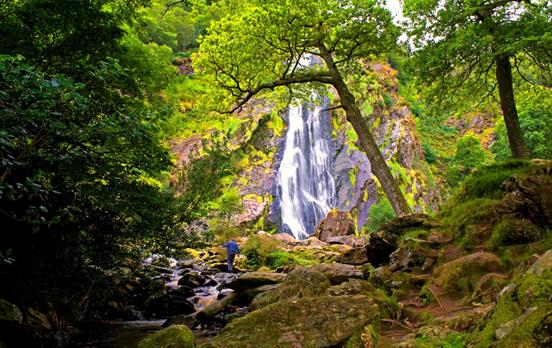
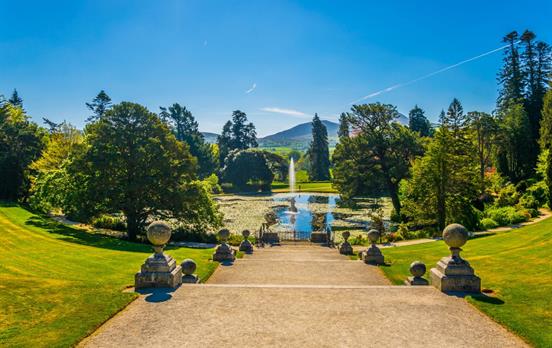
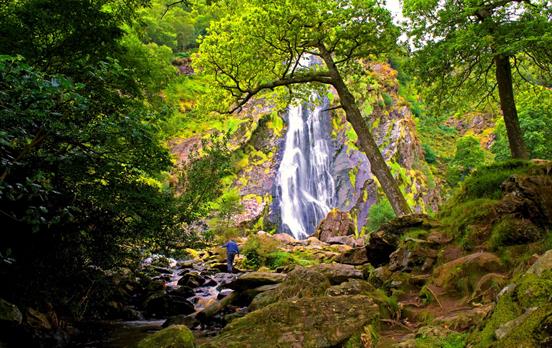
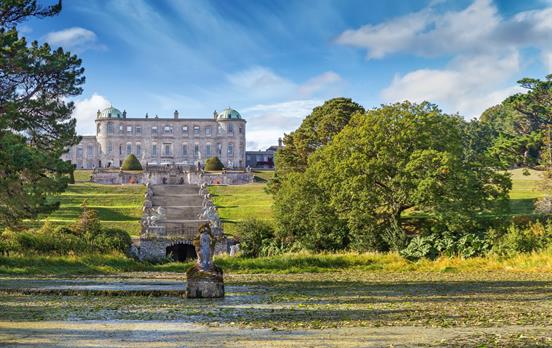
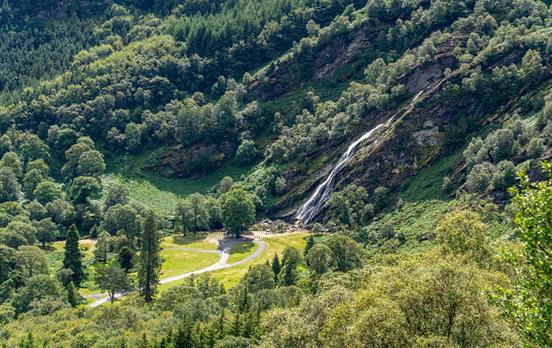
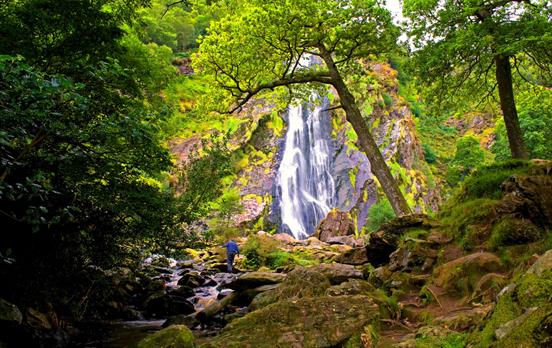
Powerscourt Estate & Gardens - This majestic estate is rated among the "Top 10 Gardens of the World" and it is not difficult to see why. The country estate is not only known for its well-maintained terraces, shimmering lakes, and 47 acres of beautifully landscaped gardens, but you can also marvel at the breathtaking Powerscourt Waterfall, Ireland's highest waterfall.
![Points of Interest]()
-
Wicklow Wildlife
Here are some of the native animal species that live in Wicklow Mountains National Park, where most of Ireland’s land mammals live.
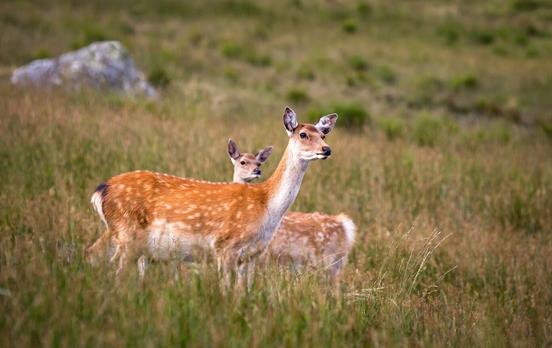
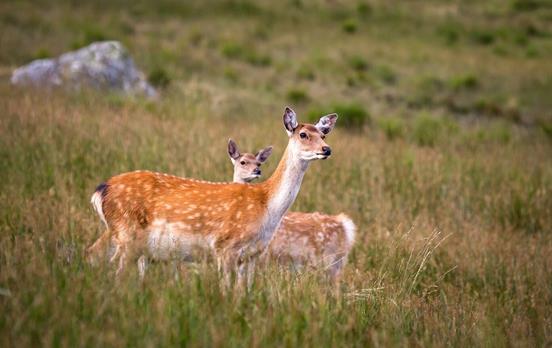
Deer – Ireland only has one native deer, the Red deer, and these are the largest land mammals. Non-native Sika deer were introduced to the Powerscourt Estate in 1859 before they escaped and started to breed with the Red deer. As a result, there are very few pure Red deer left in Wicklow. The deer along the trail in Glendalough (Spinc & Glenealo Valley) are used to walkers and are often relatively close.
The Irish Hare - This is a truly unique native species as unlike its continental cousins, the Irish hare does not turn white in winter. They live in open habitats and in the mountains. Rabbits can also be spotted, usually on the lower altitudes where it is drier and therefore more suitable for them to dig burrows.
Goats – Large herds of feral goats can be found around Glendalough and there is a bit of confusion around their history. They are thought to have either existed since St. Kevin’s time (who lived in the valley in the 6th-century) or the goats became undomesticated when the mines closed.
Foxes, Badgers & Martens - One of the most common omnivores living in Ireland are foxes (urban or rural red foxes). As they hunt at night or at dusk, they are not often spotted. Badgers are very common too, also more difficult to see as they feed on worms and beetles at night. The pine marten, or known in Irish as 'cat crainn' which translates to 'tree cat', also live in the National Park.
Red Squirrels - Unlike the North American Grey squirrel, the Red is shy and mostly avoids people. The woods and pine trees around Glendalough are the best place to see them. Other rodents found in the National Park are rats and (wood) mice which are known to be the source of food for the local owls and foxes!
Always remember to enjoy wildlife from a distance and leave them undisturbed.
![Wicklow Wildlife]()


 Canada