



Walk to the end of the world - and feel every step of it
Most pilgrims reach Santiago de Compostela and think that's it, journey complete. But for a certain kind of adventurer, there's a nagging feeling. The ocean is still out there, just 89 km further west, and the road doesn't have to end yet.
The Camino Finisterre - the Way to the End of the World - is the route that takes you from the grand cathedral square in Santiago all the way to Cape Finisterre on the wild Atlantic coast of Galicia. It's quieter than the main Camino routes, more personal, and for many walkers, the most emotionally powerful stretch of the whole journey.
This guide covers everything you need to know before you set off - from the best time to go and what to pack, to where to eat, what to say, and why to book with Macs Adventure. 
Best Time to Visit the Camino Finisterre
The Camino Finisterre is open from March to November, which gives you a good spread of seasons to choose from. Here's what to expect from each:
Spring (March to May)
Spring is one of the finest times to walk. Temperatures are pleasant - typically 53-65°F (12°C to 18°C) - the Galician countryside is vivid and green, and the trails aren't yet full of summer walkers. Pack a light waterproof layer, as spring showers are part of the deal. They pass quickly, and they keep the landscape looking spectacular.
Summer (June to August)
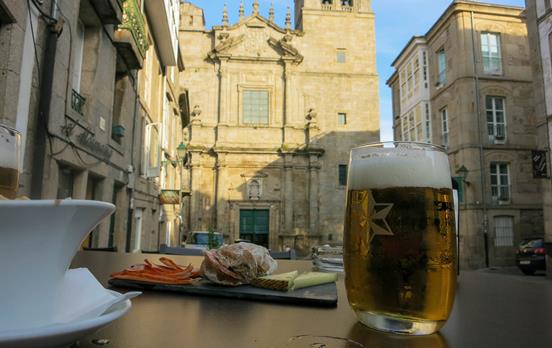
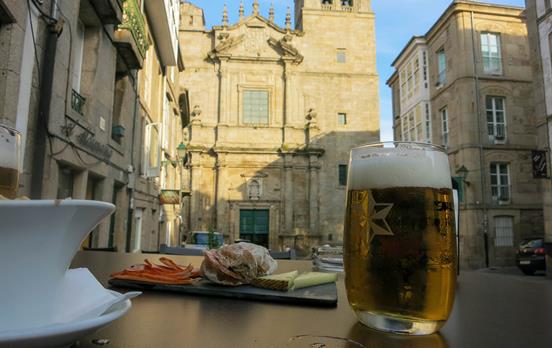
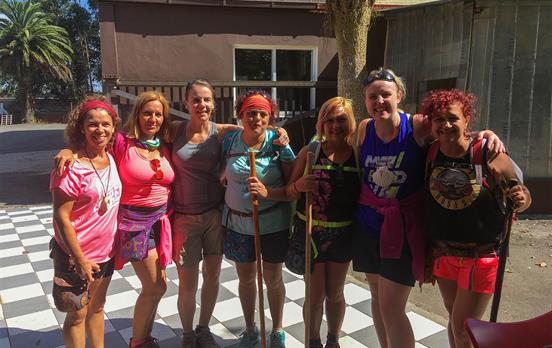
Northern Spain stays refreshingly mild compared to the scorching heat further south, making summer genuinely walkable. June through August brings longer daylight hours, a lively atmosphere on the trail, and a real sense of community with other pilgrims. If you're the type who loves swapping stories over a cold beer at the end of the day, this is your season.
Fall (September to early November)
This is arguably the sweet spot for walking the Camino Finisterre. Temperatures cool to a comfortable 50-61°F (10°C to 16°C), the summer crowds thin out, and the Galician landscape takes on rich amber and gold tones. Rain is more frequent from October onwards, so waterproofs are essential - but the trade-off is quieter trails and a more contemplative atmosphere.

Difficulty & Terrain
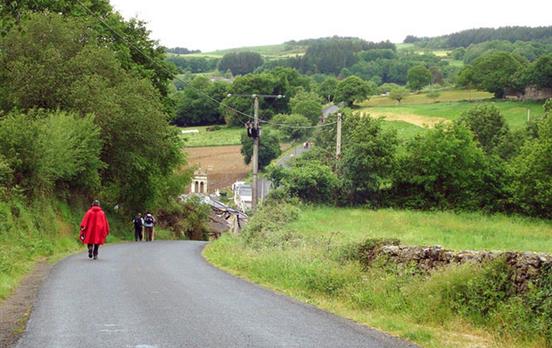
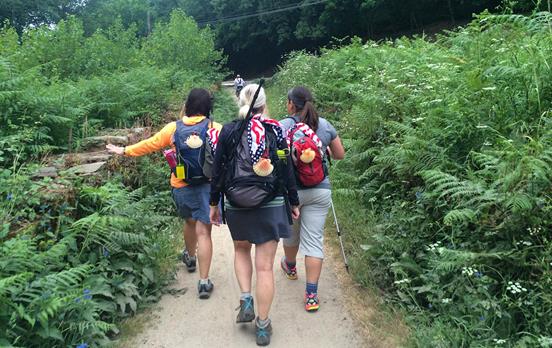
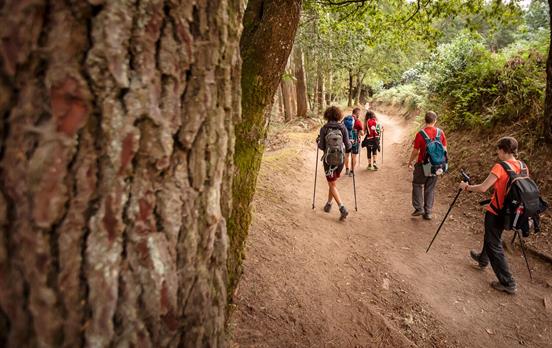
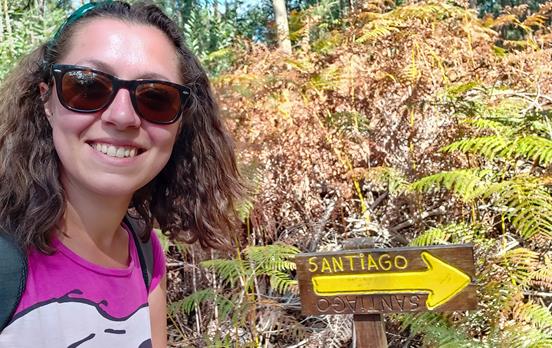
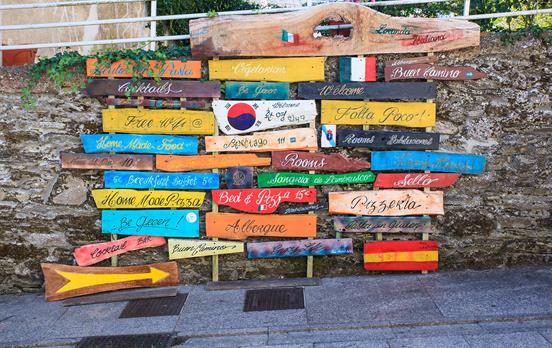
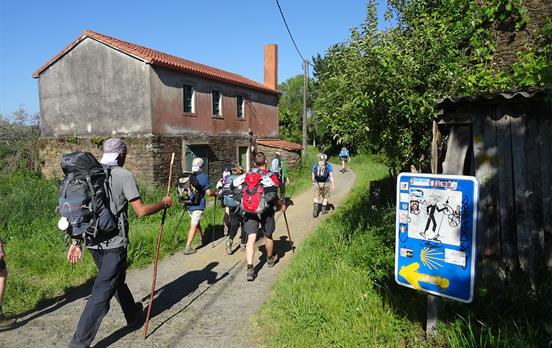
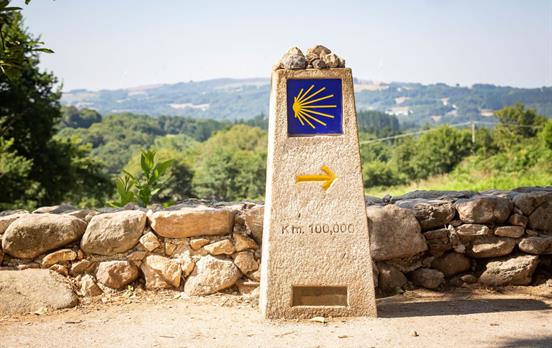
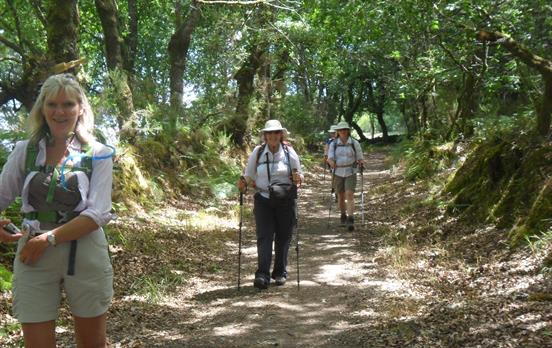
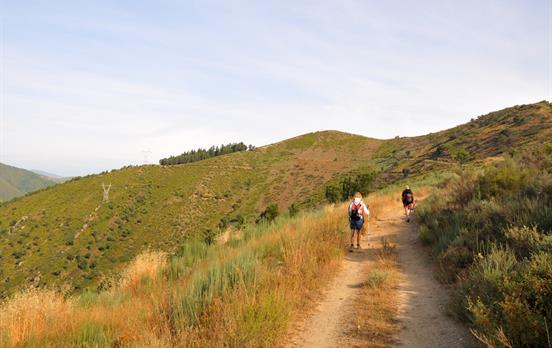
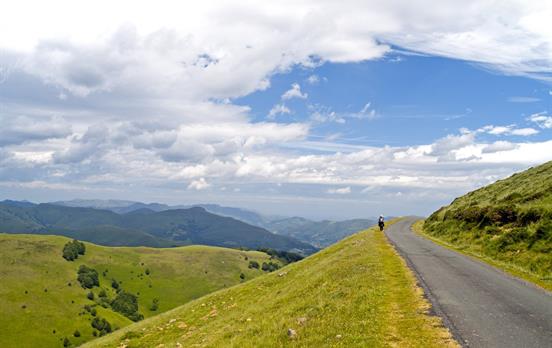
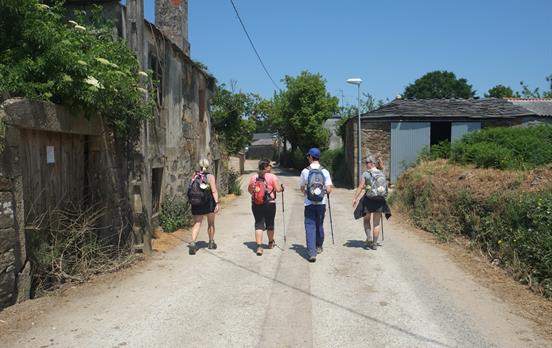
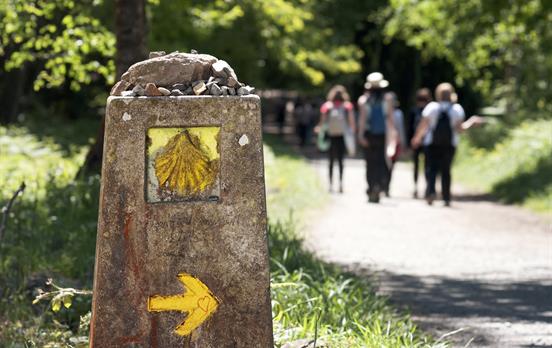
The Camino Finisterre is graded moderate. You'll cover an average of 16 to 31 km (10-19 miles) per day and should expect to be on your feet for five to eight hours. The terrain is a mix of farm and dirt tracks, minor roads, and footpaths through eucalyptus and pine forests, open hilltops, and coastal paths as you near the Atlantic. The route is well way-marked with yellow arrows, and with the Macs navigation app, you’ll never stray off course.
The longest stage - Negreira to Olveiroa at 35 km (21 miles) - is a full day in the hills. If you'd prefer a more relaxed pace on that section, Macs offers an optional transfer to shorten it. Don't worry: the challenge is well within reach for anyone with a reasonable base level of fitness, and the route has a way of walking you into shape as you go.

Highlights & Landscapes Along the Way
The Camino Finisterre begins in one of Spain's most remarkable cities and ends at the very edge of the known world. In between, you'll pass through:
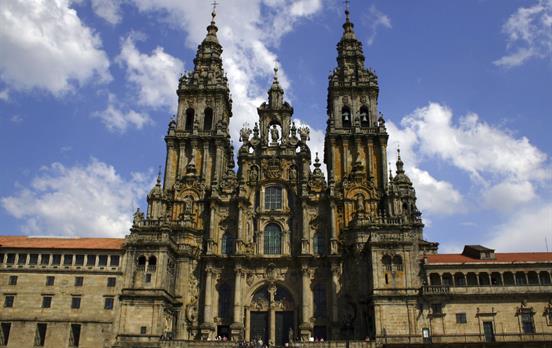
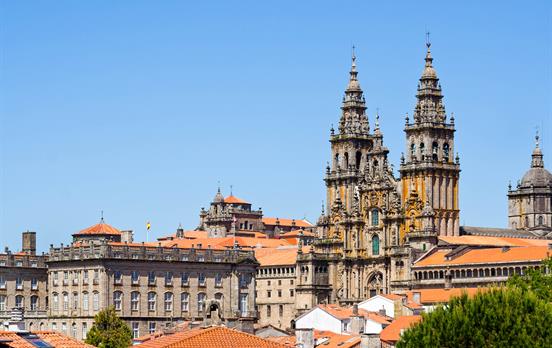
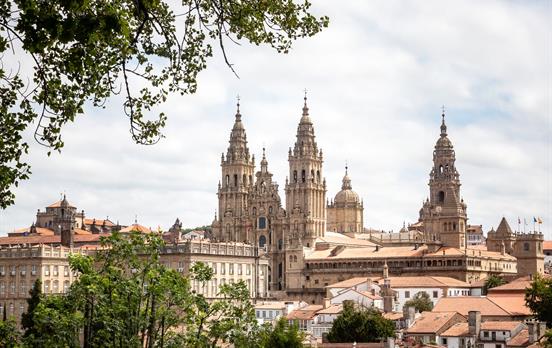
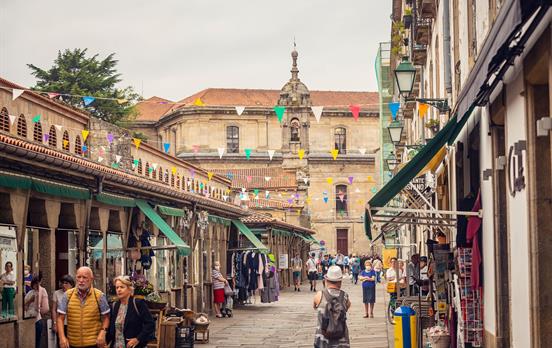
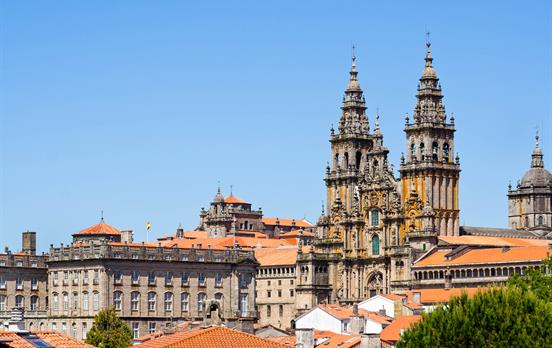
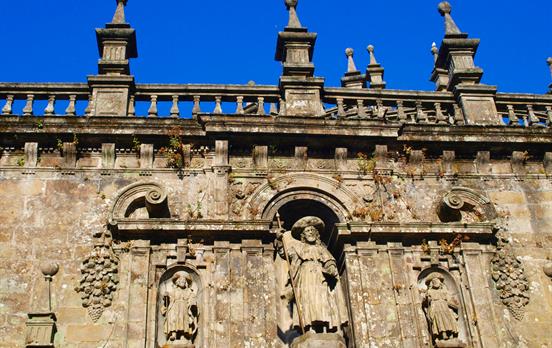
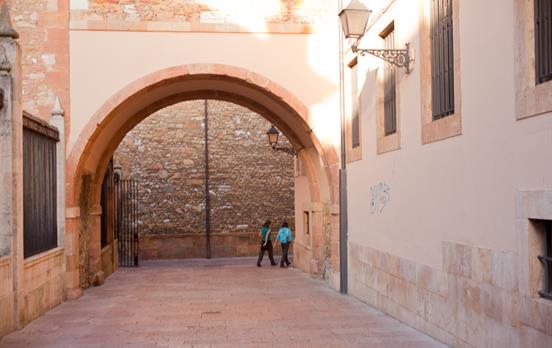
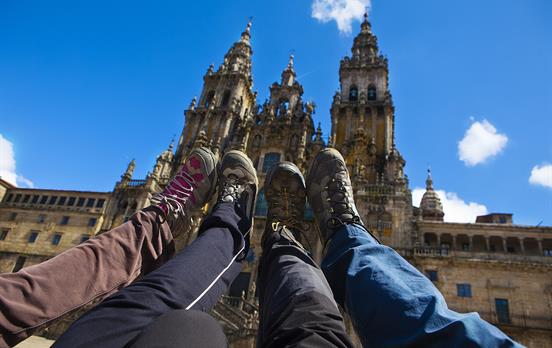
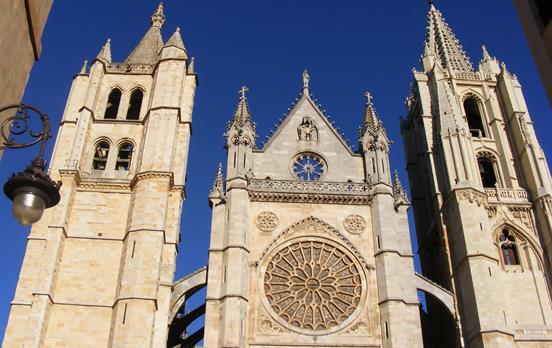
- The medieval streets and cathedral square of Santiago de Compostela - the spiritual heart of the Camino
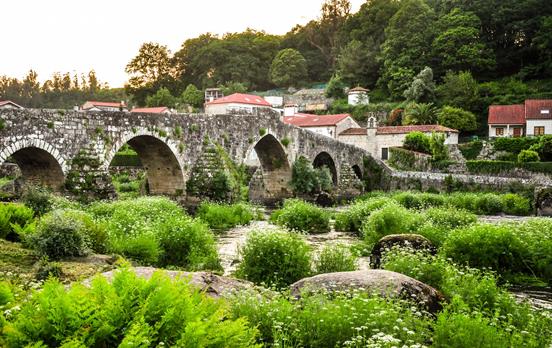
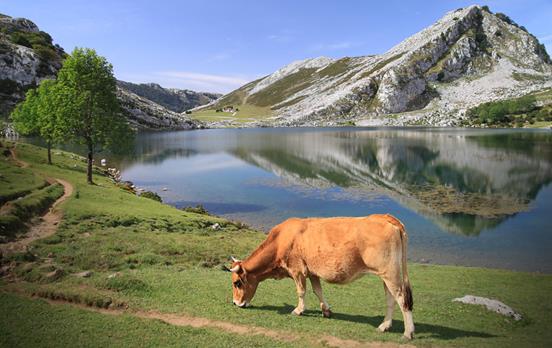
- Green Galician hills carpeted in eucalyptus and pine forest
- The remote, sweeping highlands around Monte Aro have panoramic views in every direction
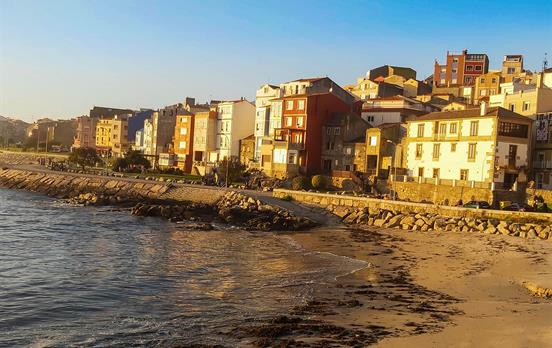
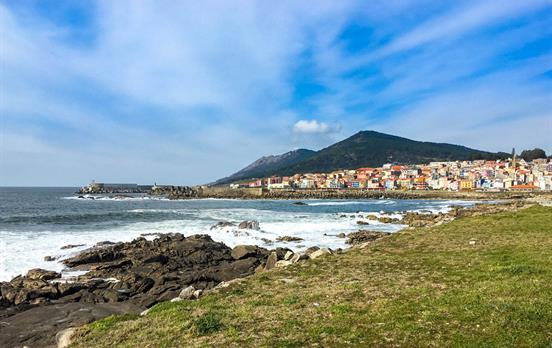
- The rugged Costa da Morte (Coast of Death), with its dramatic cliffs and crashing Atlantic waves
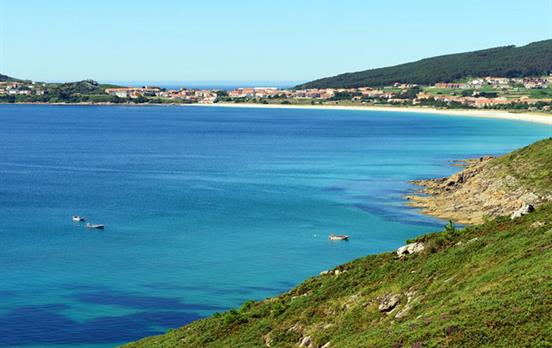
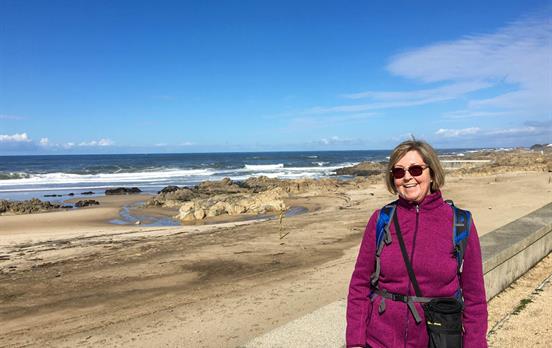
- The wide sandy sweep of Langosteira Beach, just before Finisterre, is perfect for walking barefoot
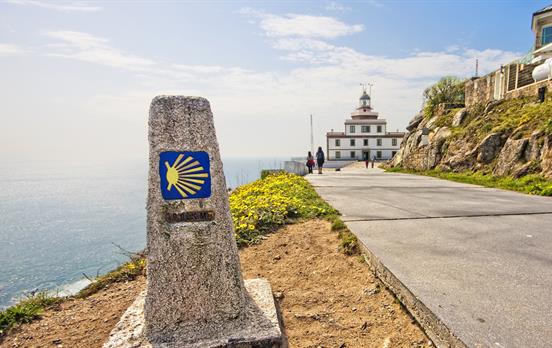
- Cape Finisterre itself, where the land runs out, the lighthouse stands watch, and the horizon stretches endlessly to the west

How to Get to the Camino Finisterre
The Camino Finisterre starts in Santiago de Compostela, which is well connected by air from across Europe. You can fly directly from London, Paris, Barcelona, and Madrid with Ryanair, Vueling, and Iberia. At the end of the hike, regular buses run from Cape Finisterre back to Santiago with Monbus.
For full details on getting to the start and from the end of the Camino Finisterre, check out our Camino Travel Guide - it walks you through every transport option step by step.

What to Pack for the Camino Finisterre
Packing well makes an enormous difference on a multi-day walk. The golden rule on the Camino Finisterre is to pack light - you'll thank yourself on day three when you're tackling the route's longest stage. Your main luggage is transferred between accommodations each day by Macs Adventure, so you only need to carry a day pack with the essentials.
Key items to have with you on the trail include:
- Comfortable, well broken-in walking boots or trail shoes
- Lightweight, moisture-wicking base layers
- A quality waterproof jacket and pants
- Sun hat, sunscreen, and sunglasses
- Blister prevention kit and a small first aid kit
- Water bottle and snacks for the day
- Your fully charged phone with the Macs Adventure app downloaded
For the full kit list, head over to our What to Pack for a Camino Hiking Vacation guide - we cover everything from footwear to the one item most people forget.

Things to Do Along the Camino Finisterre
The walk itself is the thing, of course - but there's plenty worth pausing for along the way.
Explore Santiago de Compostela
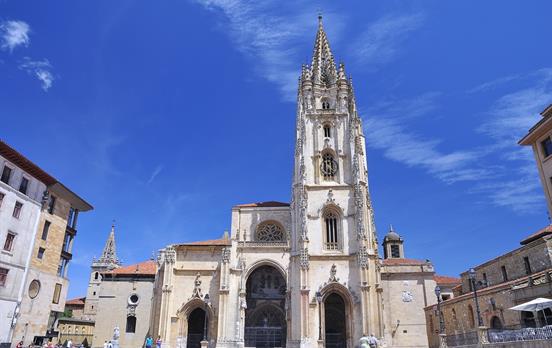
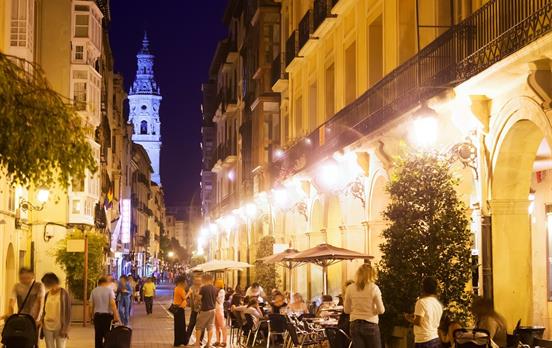
You'll start your trip with a night in one of Spain's most extraordinary cities. Wander the narrow streets of the old town, soak up the atmosphere around the cathedral, and consider attending the famous Pilgrim's Mass. Santiago rewards slow exploration - give yourself an evening to take it all in before the walking begins.
Collect Your Stamps
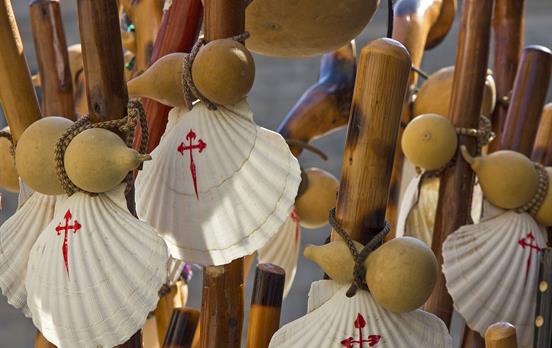
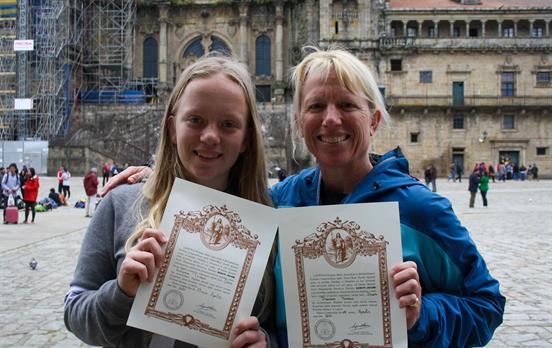
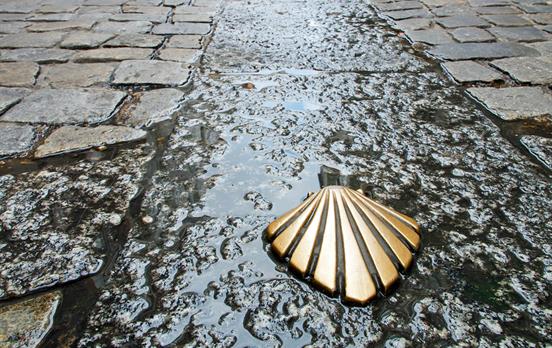
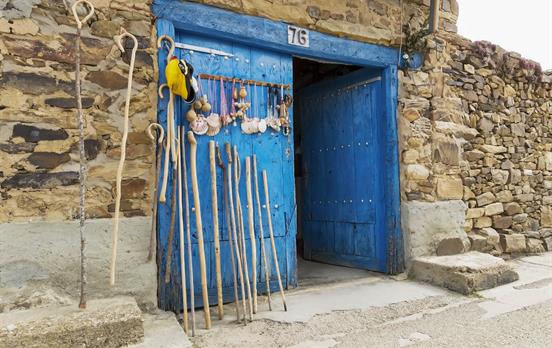
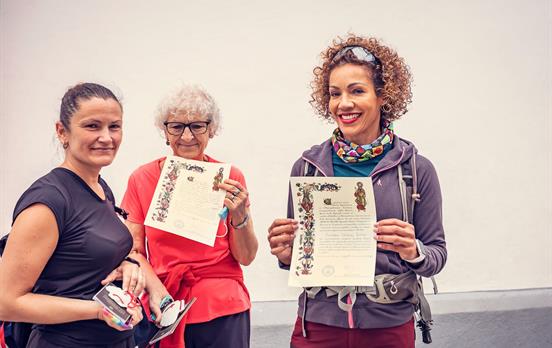
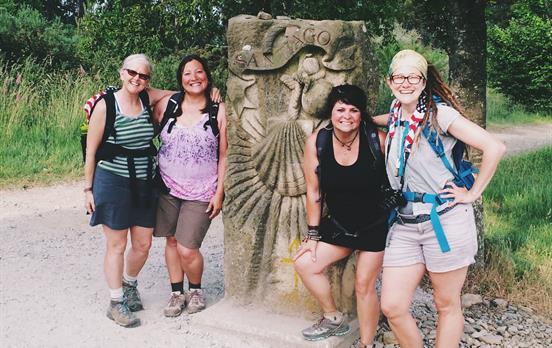
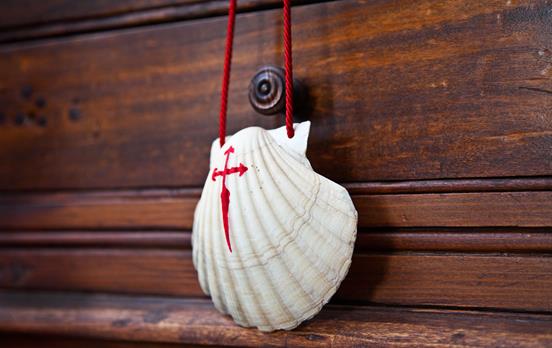
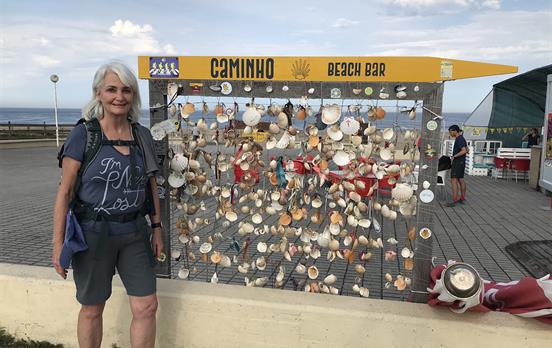
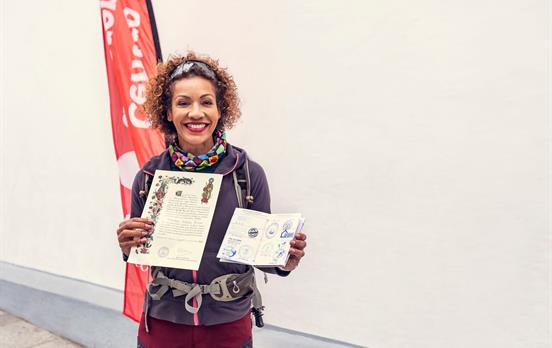
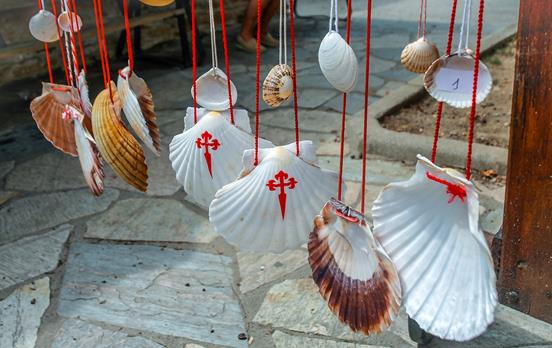
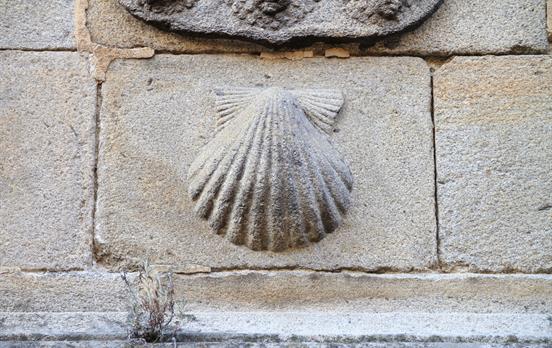
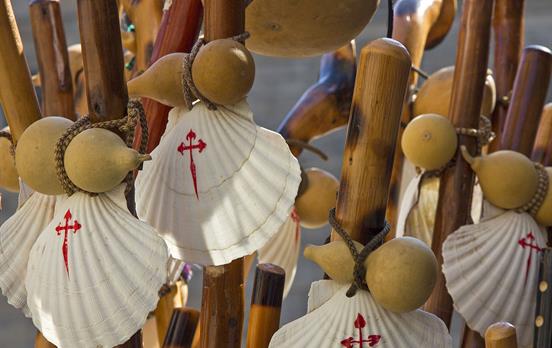
Your Pilgrim Passport (Credencial del Peregrino) is waiting at your first accommodation, along with your scallop shell. Each stage of the walk, you'll collect stamps - sellos - from albergues, churches, cafes, and bars along the route. It becomes a vivid, personal record of the journey.
Take in the Views from Monte Aro
At 450 m (1480ft), the summit of Monte Aro on the long Negreira-to-Olveiroa stage offers sweeping panoramic views across the Galician highlands. It's the kind of moment where you stop walking and just look.
Walk Barefoot on Langosteira Beach
In the final approach to Finisterre, the route takes you along the long, wide arc of Langosteira Beach. Taking off your boots and walking the last stretch barefoot is a Camino tradition - and one worth observing.
Visit the Lighthouse at Cape Finisterre
Once you've settled into your accommodation in Finisterre, make time for the walk up to the cape's lighthouse. This is the moment the whole journey has been building towards. The light fades over the Atlantic, the wind comes off the sea, and the feeling of having walked to the very edge of the world is something you won't forget.
The Boot-Burning Tradition
Finisterre has a long tradition of pilgrims burning their boots (and occasionally their walking gear) on the beach at the cape, as a symbolic end to the pilgrimage. You'll find a monument on the cape dedicated to this tradition. You don't have to burn anything - but it's worth knowing the story.

What to Eat and Drink on the Camino Finisterre
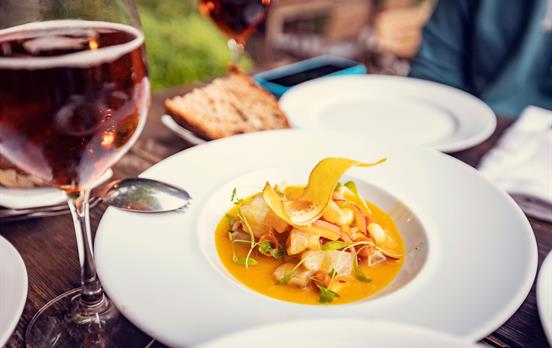
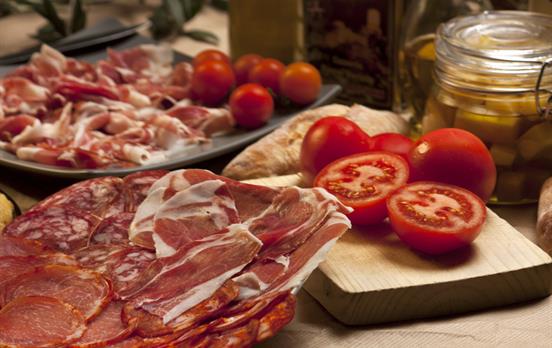
Galicia has one of the finest food cultures in Spain, and the Camino Finisterre takes you straight through the heart of it.
The Pilgrim's Menu
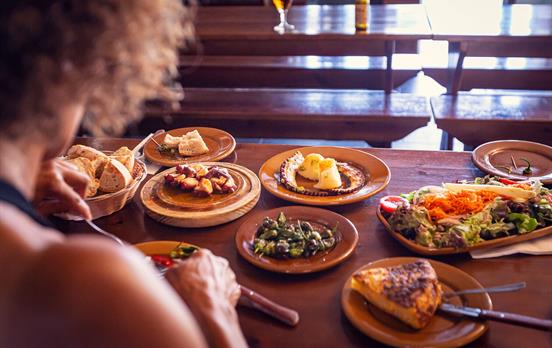
Every evening, wherever you stop, you'll find the menú del peregrino - a three-course dinner with wine and water for around 10 euros. It's excellent value and usually features hearty, traditional Galician cooking. It's also a great excuse to sit down with other walkers and share the day's stories.
Galician Specialities to Try
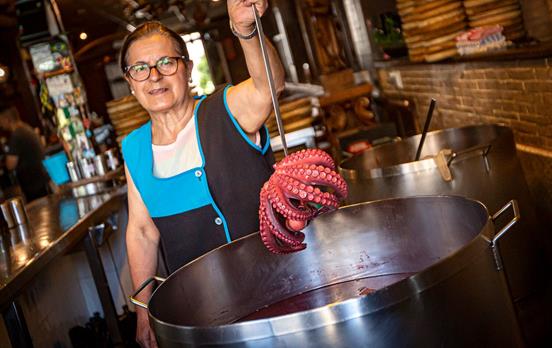
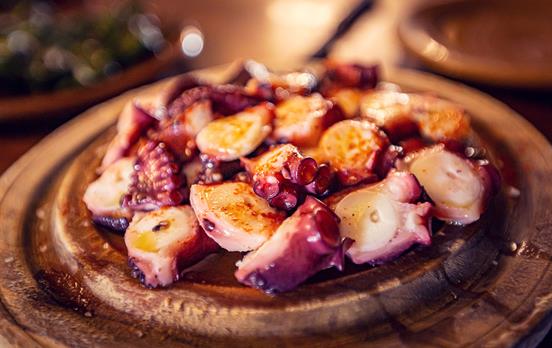
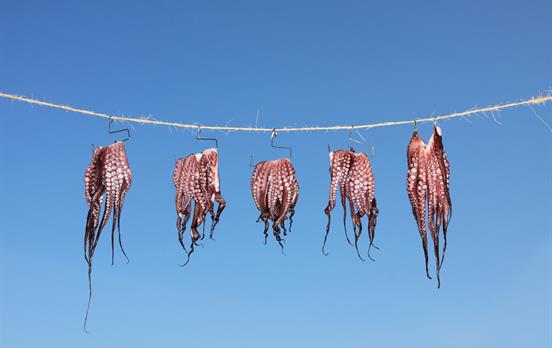
Pulpo a la gallega - tender octopus with olive oil, paprika, and coarse salt, served on wooden boards. The regional dish par excellence.
- Caldo gallego - a warming broth made with greens, white beans, and pork. Perfect after a long day on the trail.
- Empanada gallega - a savoury pastry filled with tuna, pork, or vegetables. Brilliant for lunch on the go.
- Pimientos de Padrón - small green peppers fried in olive oil and sprinkled with sea salt. Most are mild; the occasional one brings serious heat. Consider yourself warned.
- Tarta de Santiago - a dense, fragrant almond cake decorated with the cross of Saint James. You'll see it everywhere, and it never gets old.
Drink Like a Local
Albariño is the white wine of Galicia - crisp, aromatic, and made for seafood. You'll find it in every bar and restaurant along the route. If you're after something stronger, try the local orujo (a grape-based spirit) or queimada - a punch made from orujo, sugar, and coffee beans, traditionally set alight and stirred in a clay pot. It's theatrical, warming, and very Galician.
Café con leche (like a latte) is the morning essential, and you'll rarely be far from a bar serving one. Hydration on the trail is important too - carry plenty of water, especially on longer stages.

Types of Accommodation Along the Camino Finisterre
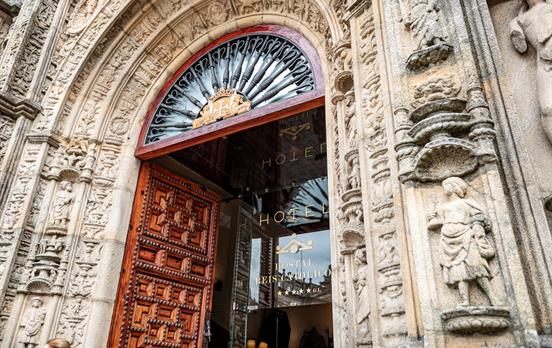
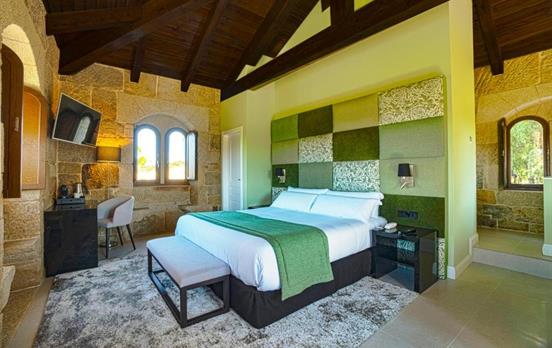
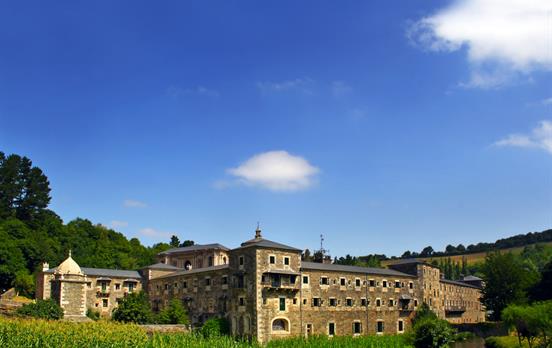
Accommodation on the Camino Finisterre is a mix of rural hotels and hostals - the Spanish term for small, characterful guesthouses. With Macs Adventure, all rooms are private with en-suite facilities, so you get the warmth and character of traditional Galician hospitality without sharing a dorm.
Rural Hotels and Guesthouses
These are the backbone of accommodation along the route. Expect stone buildings, wooden beams, hearty breakfasts, and hosts who genuinely love walkers. Some are family-run farms, others are small village hotels - all are chosen by Macs Adventure for their welcome, comfort, and local character.
A continental breakfast is included each morning. Lunch and dinner are yours to explore independently, giving you the freedom to eat when and where you choose.
Booking Advice
The Camino is popular, and accommodation fills up fast - particularly in summer. Macs Adventure recommends booking as early as possible, ideally well in advance of your planned start date.

Helpful Phrases to Learn Before You Go
The Camino Finisterre runs through Galicia, where the local language is Galician (Galego) - closely related to Portuguese - alongside Castilian Spanish. English is spoken in most hotels and tourist areas, but a handful of Spanish phrases will go a long way and genuinely delight the people you meet along the route.
Essential Camino Phrases
- Buen Camino! - the all-purpose Camino greeting, used by pilgrims and locals alike. It means 'good journey', and you'll hear it dozens of times each day.
- ¿Dónde está el albergue? - Where is the hostel/guesthouse?
- El menú del peregrino, por favor - The pilgrim's menu, please
- ¿Puede sellar mi credencial? - Can you stamp my passport?
- Muchas gracias - Thank you very much
Head over to our Essential Phrases for the Camino article for a full guide to the Spanish you'll actually need on the trail - with pronunciation tips included.

The Final Word
The Camino Finisterre isn't the most famous of the Camino routes, and that's precisely what makes it special. It's the route that other pilgrims don't always take - the one that continues when most people stop.
Walking from Santiago to the Atlantic coast, through the green hills and wild coastline of Galicia, finishing at the lighthouse on Cape Finisterre as the sun goes down over the ocean - it's one of those experiences that's hard to put into words when you come home, but that you'll find yourself thinking about for years.
Whether you're extending an existing Camino or walking the Finisterre as a journey in its own right, this is a route that rewards the effort. Thoroughly.
Reasons to Book with Macs Adventure
Planning a Camino should feel exciting, not overwhelming. With Macs Adventure, everything is taken care of so you can focus on the experience itself.
- Carefully chosen accommodation with daily breakfasts
- Hand-picked accommodation
- Daily luggage transfers
- Detailed route info and navigation support via our award-winning app
- 24/7 emergency assistance
- Pilgrim passport and Camino shell included
- Optional transfer on Day 3 - if you'd prefer to shorten the longest stage, we've built that option in.
All that’s left for you to do is follow the trail-and enjoy every step.

People Also Ask
- Ultimate Guide to the Camino de Santiago
Everything you need to know about routes, planning, and what to expect.
Read the ultimate Camino guide >
- What is a Camino?
A Camino is a long-distance pilgrimage journey, traditionally walked (or cycled), that follows historic routes leading to Santiago de Compostela in northwest Spain.
Learn more about the History of the Camino >
- Which Camino Is Right for Me?
Compare routes and find the Camino that best suits your pace, interests, and experience.
Find your Camino >
- What Should I Pack for My Camino Trip?
From footwear to essentials, pack smart and walk comfortably.
See the Camino packing list >
- Tips for Traveling to and From the Camino
Practical advice on flights, transfers, and route logistics.
Plan your journey >
- Essential Camino Phrases
Helpful Spanish phrases for pilgrims along the way.
Learn Camino phrases >
- How Fit Do I Need to Be to Walk a Camino Route?
Understand the physical demands and how to prepare.
- Camino FAQs
Clear answers to the most common Camino questions.
Read Camino FAQs >
















 Canada