



The Camino de Santiago is more than a long-distance walk - it’s a journey shaped by centuries of history, personal challenge, and shared experience. Whether you’re hiking or cycling, traveling solo or with friends, this guide covers everything you need to know before setting off on your Camino adventure.
At Macs Adventure, we’ve been creating self-guided Camino journeys for years, carefully designing routes, stages, and support so you can experience the Camino with confidence. Our specialist knowledge means the logistics are taken care of - so you can focus fully on the journey itself.

What You’ll Find in This Guide
Read on to discover everything you need to know about hiking the Camino de Santiago - from planning your trip to what to expect on the trail.
General
- What is the Camino de Santiago?
- Where is the Camino de Santiago?
- History of the Camino de Santiago
- How long is the Camino de Santiago?
- Camino de Santiago map
- How long does the Camino de Santiago take?
- Best time to walk the Camino de Santiago
- The pilgrim passport & certificate
- The Camino shell
- Useful Camino phrases
- Camino FAQs
Prepping For Your Trip
- How fit do I need to be to walk the Camino de Santiago?
- Which Camino is right for me?
- Camino del Norte vs Camino Primitivo
- Camino Portuguese Coastal Way vs Camino Portuguese Central Route
- Hike or bike the Camino?
- Accommodations on the Camino de Santiago
- Food and wine on the Camino
- Camaraderie on the Camino

What Is the Camino de Santiago?
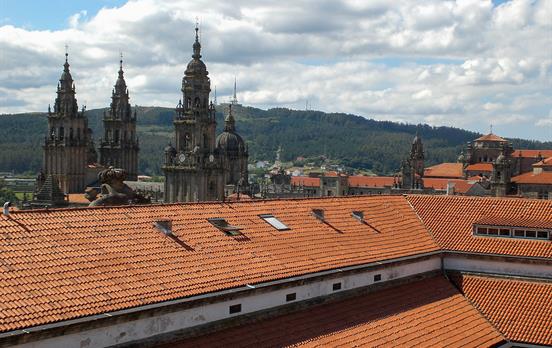
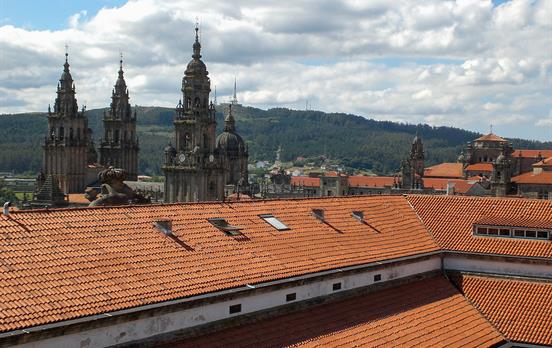
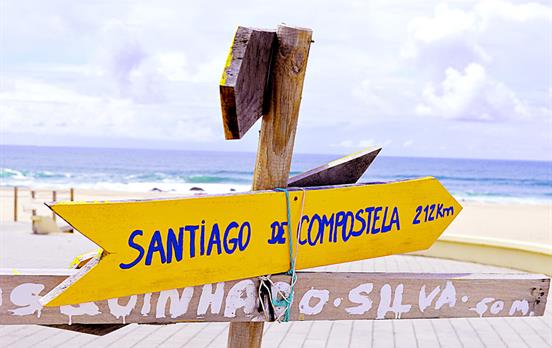
The Camino de Santiago is a network of ancient pilgrimage routes leading to Santiago de Compostela in northwest Spain, where the remains of St James are believed to be buried. The exception is Camino Finisterre, which begins in Santiago.
The word Camino comes from Spanish and simply means “the way.” While the journey began as a religious pilgrimage, modern Caminos are walked for many reasons - personal reflection, cultural discovery, physical challenge, or the joy of slow travel.
The Camino pilgrimage has many different names - including The Camino, Camino de Santiago, The Way of St James, and Camino Francés. While they may sound different, they’re all connected to the same wider pilgrimage network leading to Santiago de Compostela. “Camino de Santiago” is the official name in Spanish, while “The Way of St James” is the English translation. Many pilgrims simply shorten it to “The Camino,” and individual route names are used to distinguish between the different paths pilgrims can choose to follow.
Where Is the Camino de Santiago?
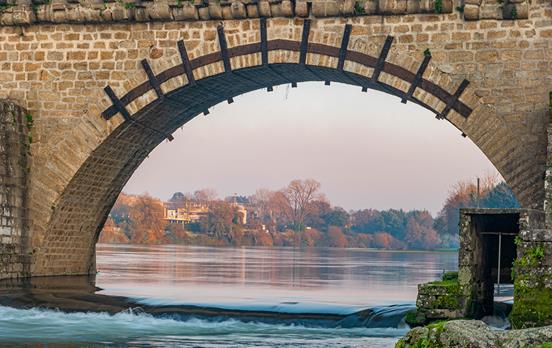
Rather than being a single trail, the Camino de Santiago is made up of several distinct routes (like the Camino Frances – the French Way and most popular, Camino del Norte and Camino Portuguese), each with its own character, landscapes, and pace. The Camino routes stretch across Spain, Portugal, and France - all converging on Santiago de Compostela in northwest Spain, where the remains of St James are believed to be buried.

A Brief History of the Camino
The Camino de Santiago has existed for over 1000 years, dating back to the 9th Century (the time of King Alfonso II of Asturias), when the remains of St James the Apostle were first discovered in Northern Spain. It’s believed that St James preached the Gospel in present-day Galicia, and on his return to Jerusalem, he was beheaded by King Herod Agrippa in 44AD. His followers are said to have transported his remains to Northern Galicia, where they lay undiscovered until 813. The discovery of his remains in the 9th Century led to the creation of a religious shrine which marks the beginning of Santiago de Compostela and the Camino de Santiago.
Over time, the Camino shaped towns, trade routes, architecture, and culture across northern Spain. While modern pilgrims may not arrive on horseback or with scallop shells tied to their cloaks, the sense of continuity remains powerful.
There’s an unspoken tradition of helping one another - sharing route advice, offering encouragement on tougher days, and celebrating milestones together. These small gestures are what turn the Camino from a long-distance walk into a shared pilgrimage.
Read our blog for more history of the Camino de Santiago >

How Long Is the Camino de Santiago?
The answer depends on the route you choose. Most travelers choose to walk the Camino in sections rather than the full route. The full route’s distance is as follows:
- Camino del Norte: ~510 miles (825 km)
- Camino Francés: ~480 miles (775 km)
- Camino Le Puy: ~461 miles (742 km)
- Camino Portuguese (Central): ~385 miles (620 km)
- Camino Primitivo: ~200 miles (320 km)
- Camino Portuguese (Coastal): ~178 miles (287 km)
- Camino Inglés: ~71 miles (113 km)
- Camino Finisterre: ~55 miles (89km)
Camino de Santiago Map

How Long Does the Camino de Santiago Take?
Again, it depends on the route and the itinerary you choose. Most Camino de Santiago vacations focus on carefully chosen stages that balance hiking time, scenery, and comfort.
- Camino del Norte: ~8-15 days
- Camino Francés: ~7-40 days
- Camino Le Puy: ~12-38 days
- Camino Portuguese (Central): ~8-33 days
- Camino Primitivo: ~16 days
- Camino Portuguese (Coastal): ~7-22 days
- Camino Inglés: ~7 days
- Camino Finisterre: ~6 days
Relaxed Camino Itineraries
At Macs Adventure, we also offer a selection of relaxed Camino itineraries, designed for pilgrims who prefer a gentler pace. These trips feature comfortable daily hikes of around 4-14 miles (7–22 km), giving you more time to rest, absorb the atmosphere, and explore the towns and villages you pass through. They’re ideal if you want to experience the Camino without long or overly demanding days on the trail.

Best Time to Walk the Camino de Santiago
The best time to walk the Camino de Santiago is during the shoulder seasons, when weather conditions are comfortable, and the routes are less crowded.
- April–June (Spring)
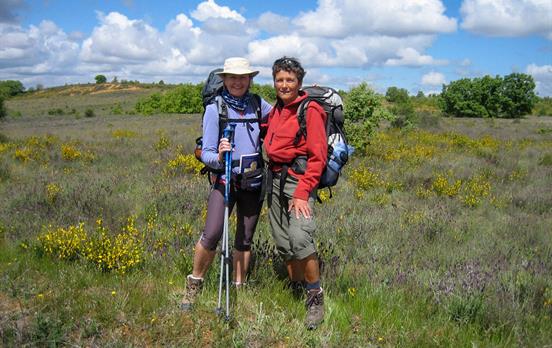
Spring brings mild temperatures, longer daylight hours, and wildflowers lining the trails. Daytime temperatures typically range from 59–72°F (15–22°C), making it ideal for long hiking days. Popular routes are lively without feeling overwhelming, and services such as cafés, accommodations, and luggage transfers are fully up and running by late spring. - September–October (Fall)
Early fall offers warm days, cooler evenings, and fewer pilgrims on the trail. Expect temperatures of 61–77°F (16–25°C) in September, cooling slightly in October. Harvest season adds to the experience, with fresh local food and wine, and a calmer, more reflective atmosphere along the route. - July–August (Summer)
Summer is the busiest time on the Camino, particularly on popular routes like the Camino Francés. Temperatures can exceed 86°F (30°C), especially inland, making early starts essential. While the social atmosphere is at its peak and all services are available, the heat and crowds aren’t for everyone. - November–March (Winter)
Winter is best suited to experienced hikers or shorter Camino sections. Some routes see colder temperatures, rain, or snow, particularly in mountainous areas, and many small accommodations and cafés close for the season. Due to these reasons, we only offer some itineraries at the beginning of March and mid-November.
Overall, spring and the fall strike the best balance of comfortable weather, open services, and manageable crowd levels, making them the most popular choices for Camino de Santiago vacations.

How Fit Do I Need to Be to Walk the Camino
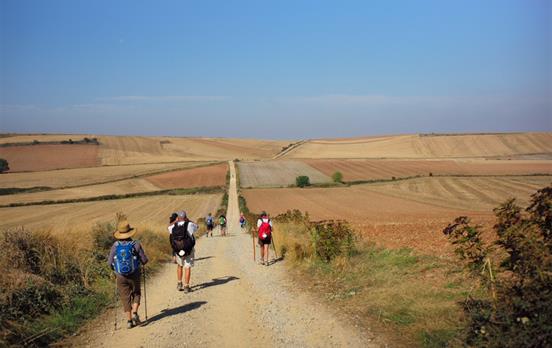
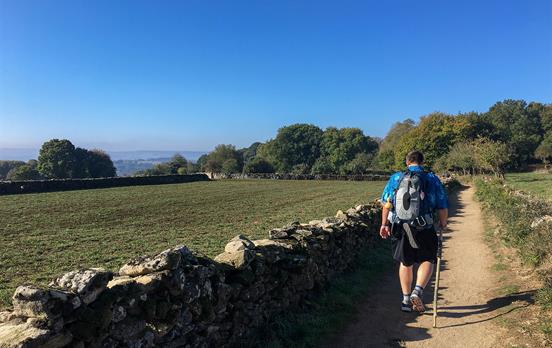
You don’t need to be an elite hiker to walk the Camino, but a moderate level of fitness will make the experience far more enjoyable. Most Camino routes involve hiking 8–15 miles (13–25 km) a day on a mix of paved paths, dirt tracks, and occasional hills. With some advance preparation - such as regular hiking, comfortable footwear, and building endurance - most people can successfully complete their chosen Camino section.
We do offer relaxed itineraries, which have shorter daily hiking distances, such as our Relaxed Camino Final Stage – Sarria to Santiago trip.
The key is choosing a route and pace that suit your ability, allowing time to rest, and listening to your body along the way.
Read our article on how fit you need to be to walk the Camino >
Which Camino Is Right for Me?
Choosing the right route depends on how much time you have, your fitness, and what kind of experience you want. No matter which Camino you choose, we offer full Camino routes and shorter stages to cater to all hikers and pilgrims.
- Camino Francés – The most famous Camino route, crossing northern Spain from the Pyrenees to Santiago. Known for its strong pilgrim atmosphere, historic towns, and excellent infrastructure.
To find out more, check out our guide to the Camino Francés >
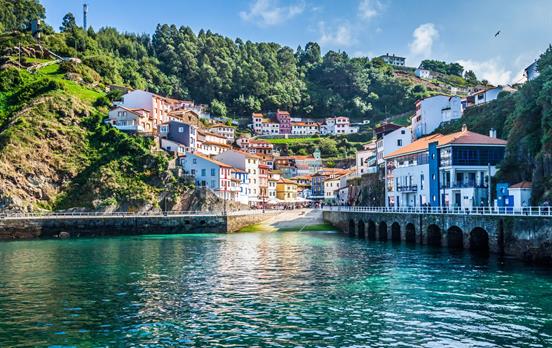
- Camino del Norte – A spectacular coastal route following Spain’s Atlantic shoreline, with dramatic cliffs, beaches, and cooler temperatures. Quieter than the Francés but equally rewarding.
To find out more, check out our guide to the Camino del Norte >
- Camino Primitivo – The oldest Camino route and one of the most challenging, taking pilgrims through rugged mountains and rural landscapes. Ideal for experienced hikers seeking a more traditional feel.
To find out more, check out our guide to the Camino Primitivo >

- Camino Portuguese (Central Route) – A popular route starting in Portugal and heading north through historic cities and peaceful countryside. Known for gentler terrain and rich cultural heritage.
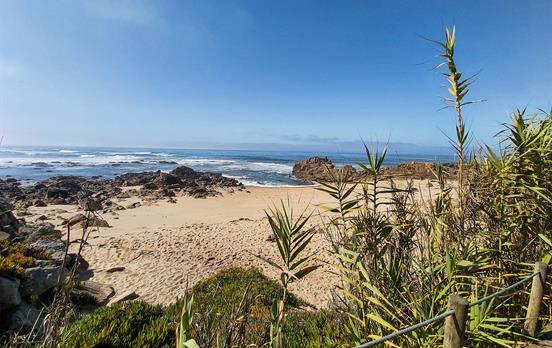
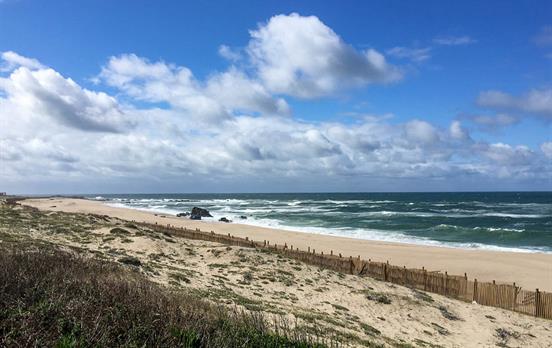
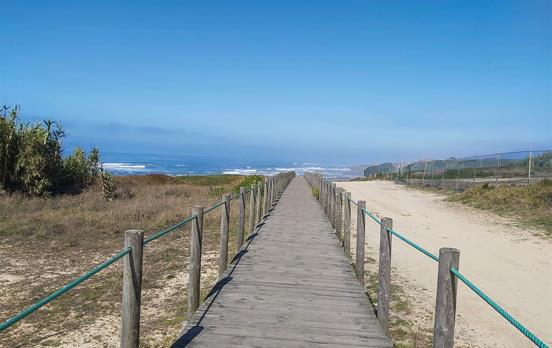
- Portuguese Coastal Route – A scenic alternative to the central route, following the Atlantic coast with sea views, boardwalks, and coastal towns. Perfect for those who love hiking by the ocean.
To find out more, check out our guide to the Camino Portuguese >
- Camino Finisterre (Finisterra & Muxía) – A unique extension of the Camino that begins in Santiago and continues to the Atlantic coast, once believed to be the edge of the known world. This is the only Camino that starts in Santiago, often walked as a reflective finale to the main pilgrimage.
To find out more, check out our guide to the Camino Finisterre >
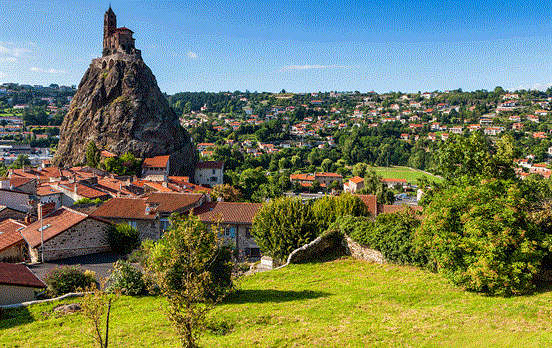
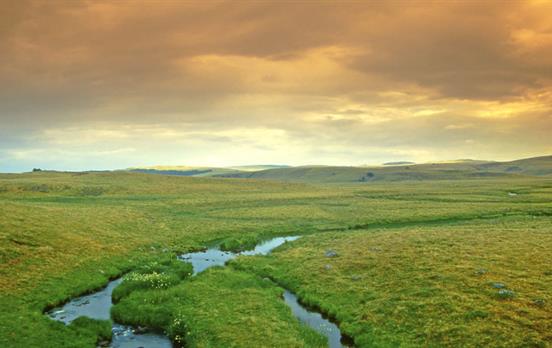
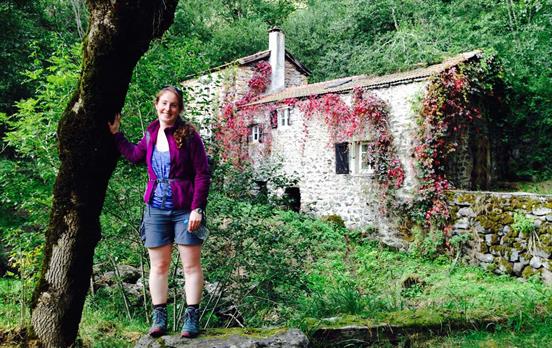
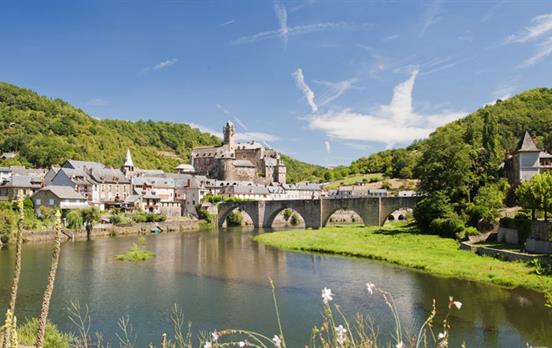
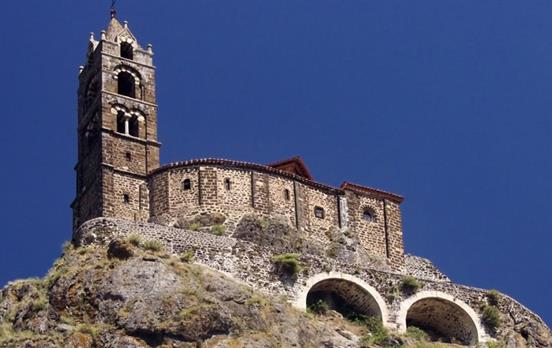
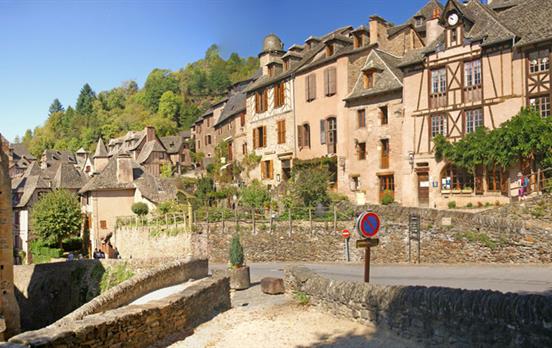
- Camino Le Puy (Via Podiensis) – One of the most historic Camino routes, starting in Le Puy-en-Velay in France and leading through volcanic landscapes, medieval villages, and rural countryside before joining the Camino Francés in Spain.
To find out more, check out our guide to the Camino Le Puy >
- Camino Inglés – A shorter route beginning in northern Spain’s coastal ports, traditionally used by pilgrims arriving by sea from the UK and Northern Europe. Ideal for those with limited time who still want an authentic Camino experience.
To find out more, check out our guide to the Camino Inglés >
Together, these routes form a shared journey, with thousands of pilgrims each year hiking or cycling their chosen path towards the same final destination - Santiago de Compostela.
Figure out which Camino is right for you >

Del Norte vs Primitivo
If you’re choosing between the Camino del Norte and the Camino Primitivo, you’re deciding between two very different Camino experiences. Both routes offer incredible scenery and a strong sense of tradition, but they differ in terrain, difficulty, and atmosphere. One follows Spain’s wild Atlantic coastline, while the other winds through rugged mountain landscapes and some of the Camino’s oldest paths.
To find out more, read our article comparing Del Norte vs Primitivo >
Portuguese Coastal vs Central Route
The Portuguese Camino offers two distinct ways to reach Santiago, each with its own rhythm and scenery. Whether you’re drawn to historic inland cities and traditional villages or prefer ocean views and breezy coastal paths, both routes are known for gentler hiking, warm hospitality, and outstanding food along the way.
To find out more, read our article comparing Portuguese Coastal and Central Camino routes >

Hike or Bike the Camino?
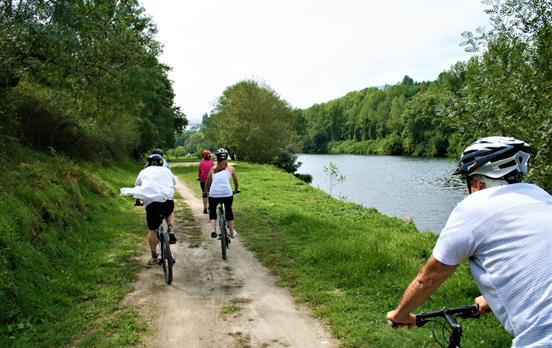
Did you know you can cycle the Camino de Santiago too? At Macs Adventure, we focus on the routes that offer the best possible experience for hikers and cyclists.
- Hiking the Camino is all about slowing down and immersing yourself in the journey. You’ll travel at a steady pace, spend time in villages and cafés, and experience the camaraderie that makes the Camino so special.
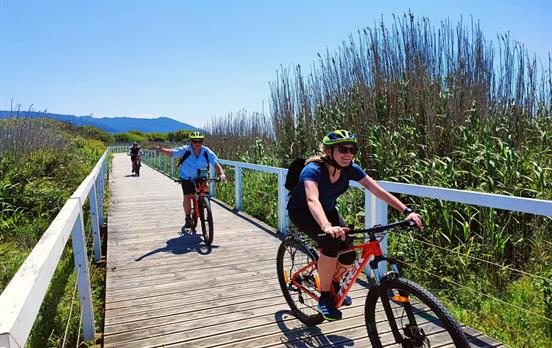
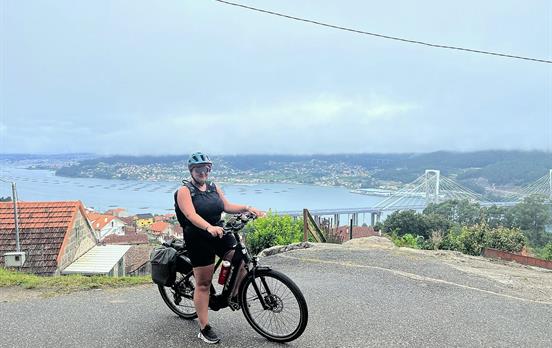
- Cycling the Camino is ideal if you want to cover more ground in less time without losing the sense of adventure. That’s why our cycling itineraries are centred on the Camino Portuguese, where terrain, infrastructure, and scenery come together perfectly for two wheels.
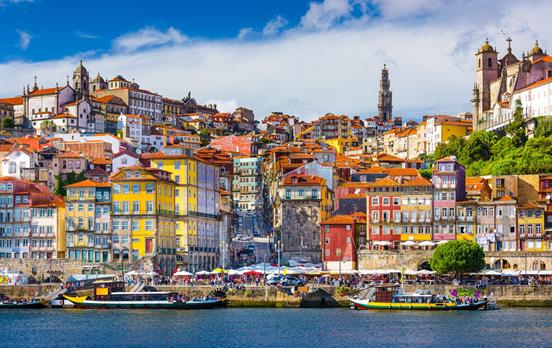
- Camino Portuguese Central Route – A smooth and rewarding ride through historic cities, traditional villages, and gentle countryside, with well-established cycling paths and support along the way.
- Camino Portuguese Coastal Route – A scenic coastal ride featuring Atlantic views, breezy boardwalks, and quieter paths, ideal for a relaxed but active cycling experience.
By focusing on these routes, we ensure our Camino cycling vacations balance ride quality, safety, scenery, and comfort, so you can enjoy the Camino by bike with confidence - and all the logistics taken care of.

Accommodations on the Camino
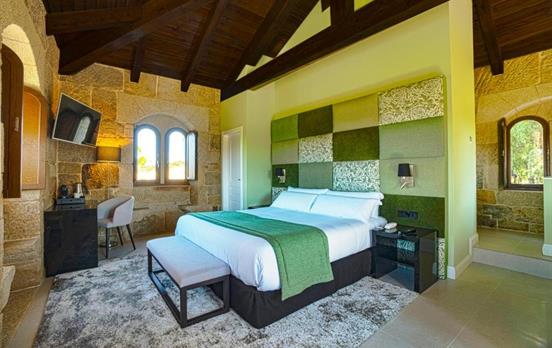
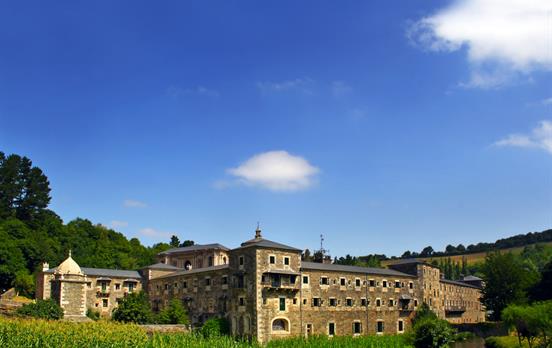
Accommodations on the Camino are simple, welcoming, and full of character. Along the route, you can expect a mix of locally run guesthouses, small hotels, and traditional inns, often family-owned and closely connected to the Camino itself.
The stays we hand-pick are ensuite rooms and are typically chosen for their comfort, warm hospitality, and convenient location near the trail, making it easy to relax after a day’s hiking or cycling. Many hosts are experienced in welcoming pilgrims and understand what matters most at the end of the day - a comfy bed, a hot shower, and a good meal nearby.
While accommodation styles vary by region and route, the focus is always on practicality and atmosphere rather than luxury. Each night offers a chance to rest, reflect, and connect with fellow travelers before setting out again the next morning.

Food & Wine on the Camino
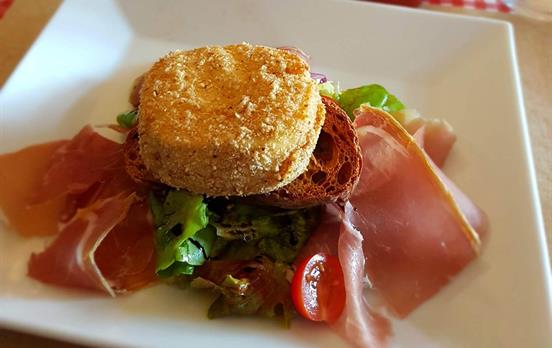
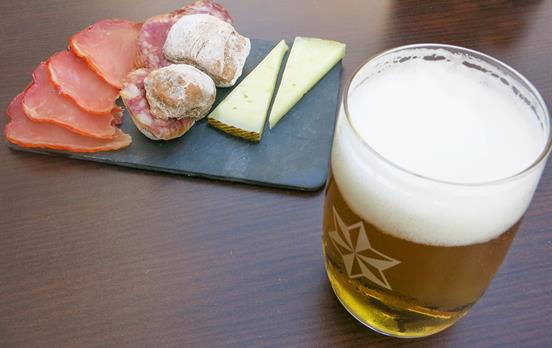
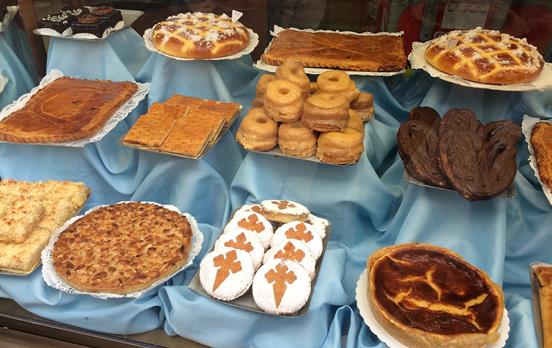
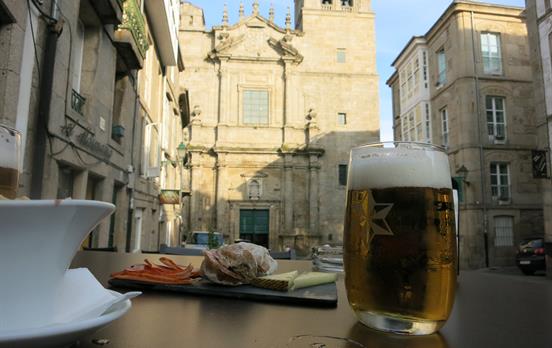
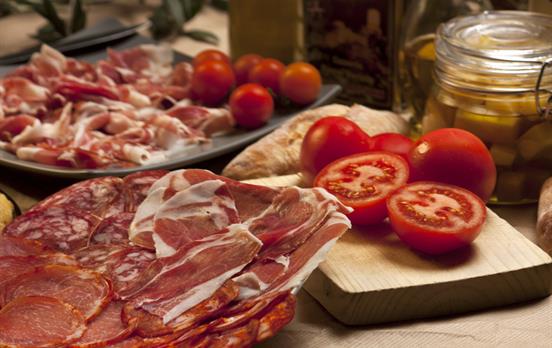
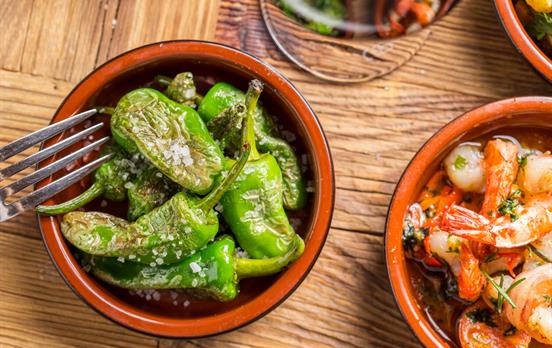
Food and wine are a memorable part of the Camino experience. Along the route, you’ll find simple, nourishing meals designed with pilgrims in mind, often served as affordable daily menus that include multiple courses and local wine.
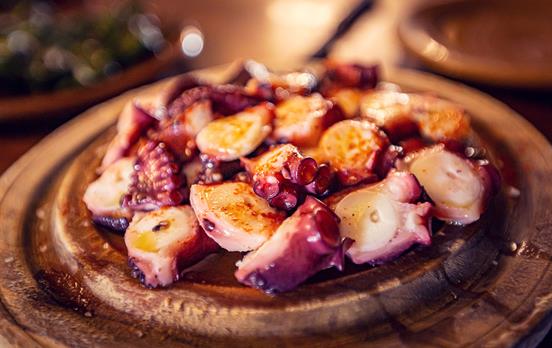
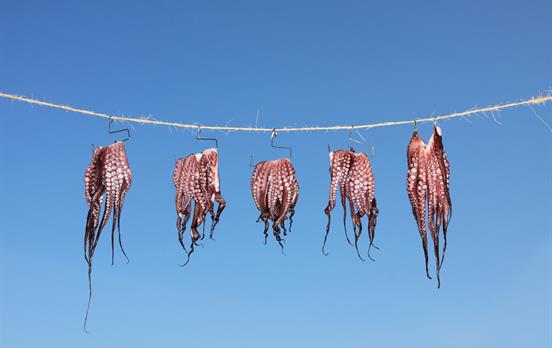
Each region adds its own flavor to the journey. In Galicia, pilgrims are often rewarded with pulpo a la gallega (octopus with paprika and olive oil), empanadas filled with tuna or meat, and fresh seafood. Inland routes feature comforting dishes like caldo gallego, lentil stews, and tortilla española, perfect after a long day on the trail. On the Portuguese Caminos, expect grilled sardines, bacalhau (salt cod), and pastel de nata for a sweet finish.
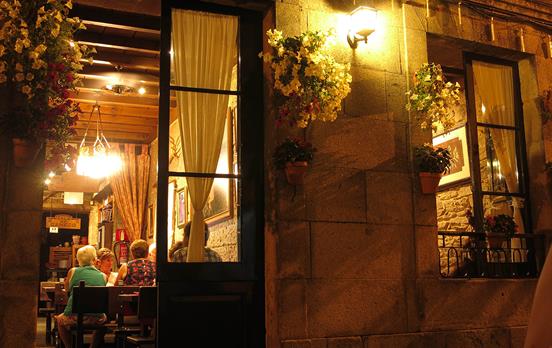
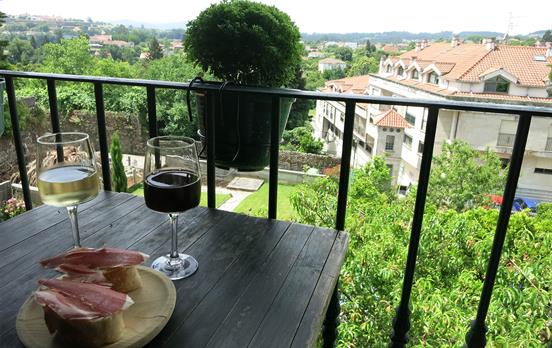
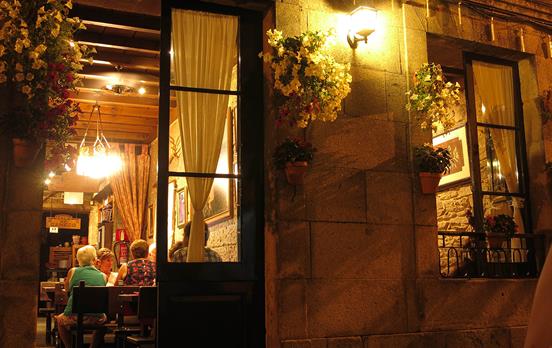
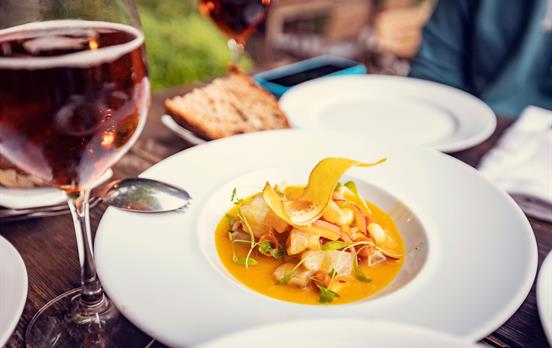
At the end of the day, it’s common to sit down with fellow pilgrims to share a well-earned glass of local wine, whether that’s crisp Albariño in Galicia or vinho verde in Portugal. These shared meals often become some of the most memorable moments of the Camino, turning simple food into a key part of the Camino’s camaraderie and charm.

Camaraderie on the Camino
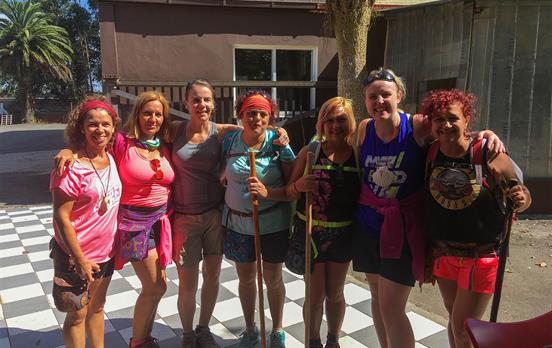
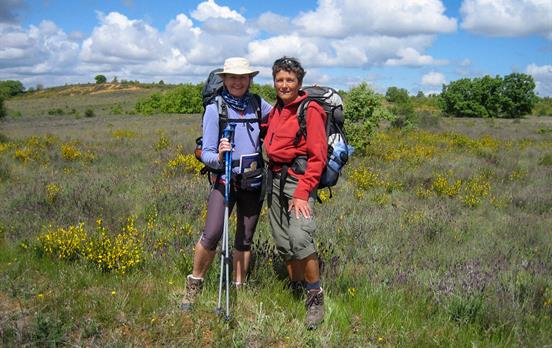
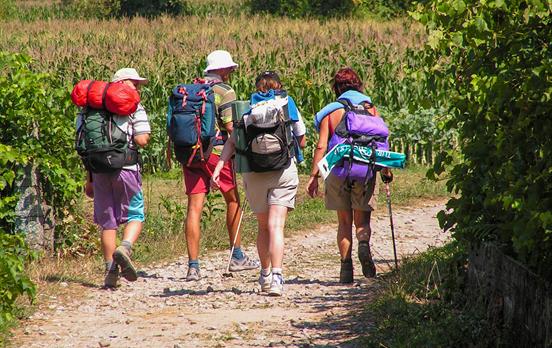
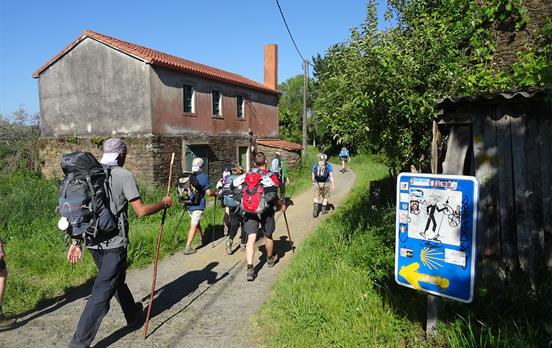
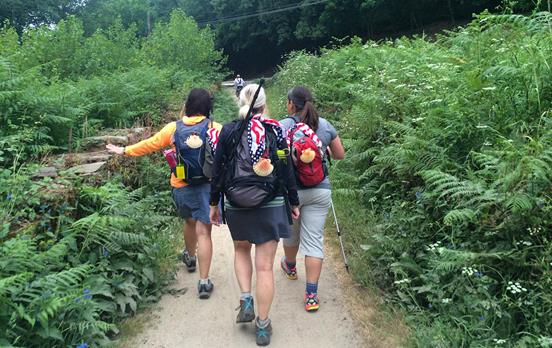
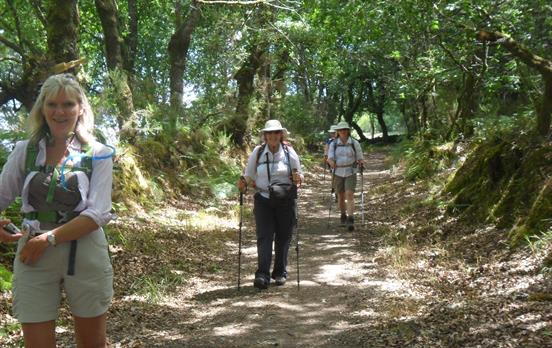
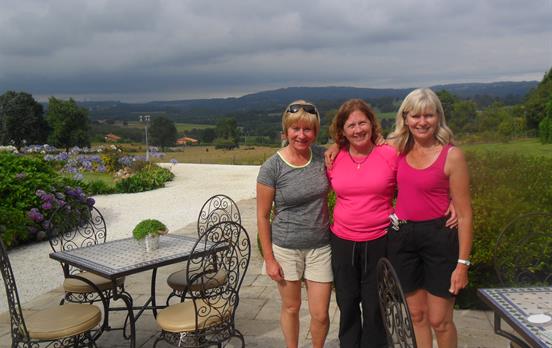
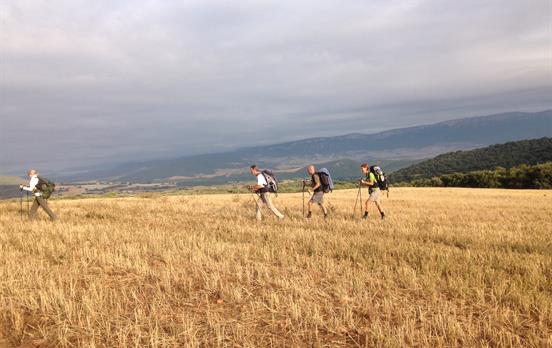
Camaraderie is one of the Camino’s most defining and unexpected joys. From the very first day, conversations tend to start naturally - over breakfast, on the trail, or while resting in a village square. With everyone moving in the same direction, it’s easy to strike up a chat and feel part of a shared journey.
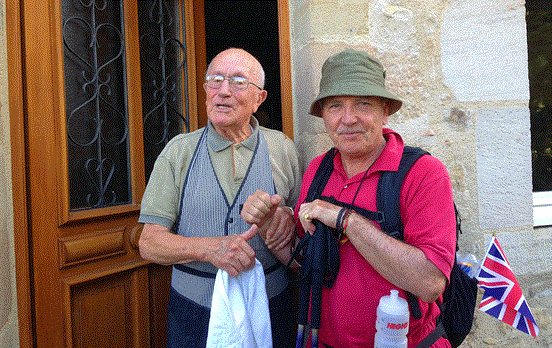
Friendships often form quickly on the Camino. You may walk together for a few hours, a day, or several stages, crossing paths again and again as routes converge. Despite coming from different countries and backgrounds, pilgrims are united by the same goal: reaching Santiago, one step at a time.
This sense of connection creates a supportive and encouraging atmosphere. Whether it’s sharing route tips, celebrating milestones, or enjoying a meal together at the end of the day, the Camino has a unique way of turning strangers into companions - and often, lasting friends.
Hear Adventure Specialist, Nash’s story of Community & Camaraderie on the Camino >

The Pilgrim Passport
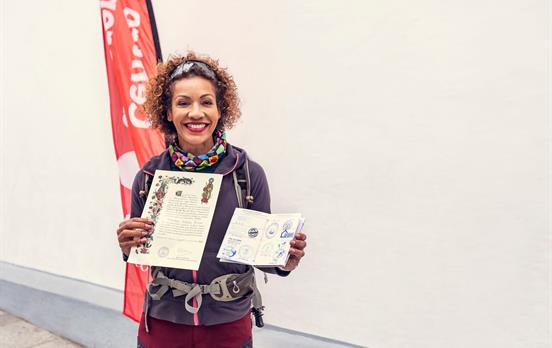
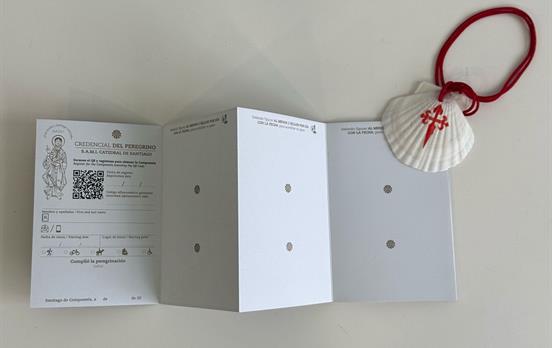
The pilgrim passport, known as the Credencial, is an essential part of the Camino de Santiago experience. This small booklet is carried with you throughout your journey and stamped along the route at official stamp points.
Where Do You Get Stamps?
You can collect stamps (sellos) at a wide range of places, including:
- Accommodations such as guesthouses, small hotels, and pilgrim hostels
- Cafés and restaurants along the Camino
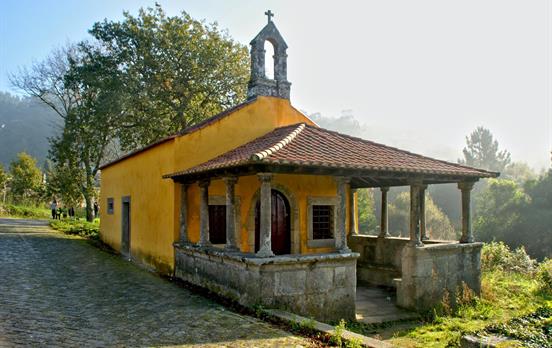
- Churches and chapels
- Tourist offices and municipal buildings
Most towns and villages along the Camino have at least one place where you can get a stamp, and many offer beautifully designed or hand-drawn stamps that reflect the local area.
When Do You Get Stamps?
Pilgrims typically collect at least one stamp per day, usually at the end of the hiking or cycling stage. In the final 100 km to Santiago (or final 200 km if cycling), you’re required to collect two stamps per day to qualify for the Compostela certificate.
As you walk or cycle, your passport becomes a personal record of your journey - each stamp marking a moment, a place, or a memory from the trail.
On a Macs Adventure Camino trip, your pilgrim passport is included, so you can start your Camino fully prepared and focus on enjoying the journey rather than the logistics.

The Camino Certificate (Compostela)
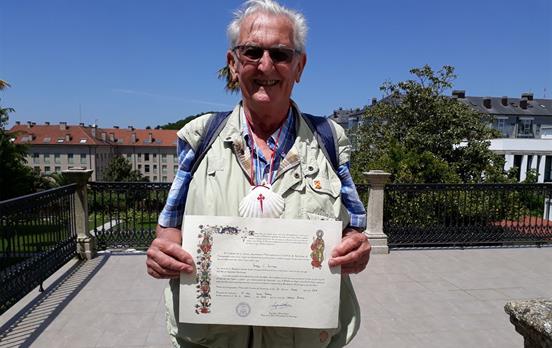
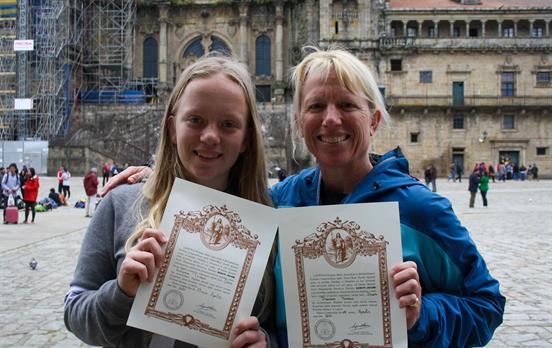
The Camino certificate, known as the Compostela, is an official document awarded to pilgrims who complete a qualifying section of the Camino de Santiago. It’s a meaningful way to mark the end of your journey and recognise the distance you’ve travelled.
What Is the Compostela?
The Compostela is a certificate issued by the Pilgrim’s Office in Santiago de Compostela. Traditionally written in Latin, it records your name and confirms that you have completed the Camino in the spirit of pilgrimage.
When Do You Get It?
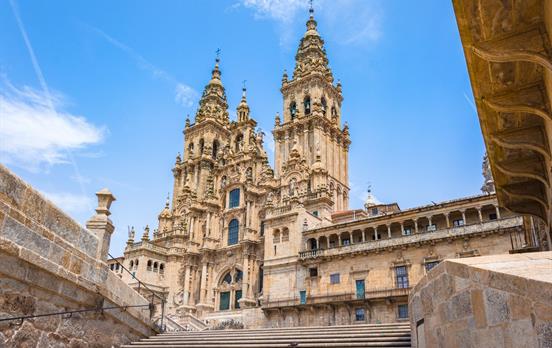
You receive the Compostela after arriving in Santiago by presenting your completed pilgrim passport at the Pilgrim’s Office. Staff will check your stamps to confirm that you’ve met the distance requirements before issuing your certificate.
Must-Knows Before You Arrive
- You must have walked at least the final 100 km into Santiago of any Camino route, or cycled at least the final 200 km, to qualify.
- Pilgrims are required to collect two stamps per day in their pilgrim passport.
- The Pilgrim’s Office can be busy, especially in peak season, so expect queues - arriving earlier in the day can help.
- Your Compostela is included as part of the pilgrimage tradition, though optional certificates with distance details may carry a small fee.
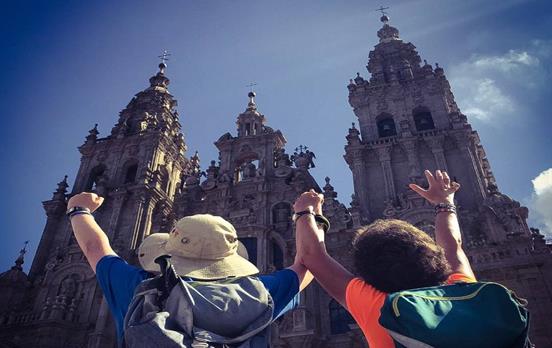
- For many pilgrims, receiving the Compostela is a proud and emotional moment - a simple piece of paper that represents weeks, days, or even months of intention and effort.

The Camino Shell: What It Means
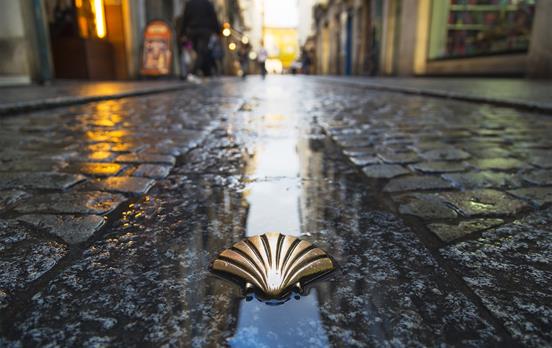
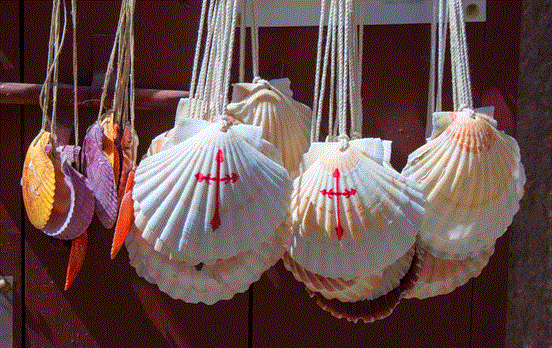
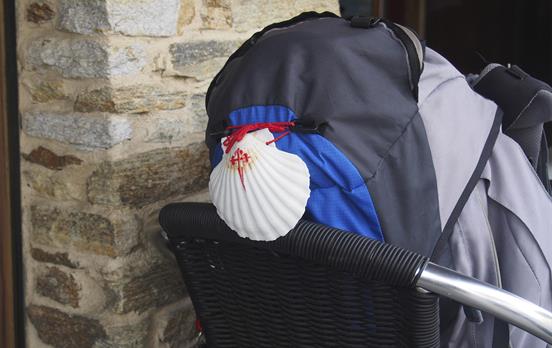
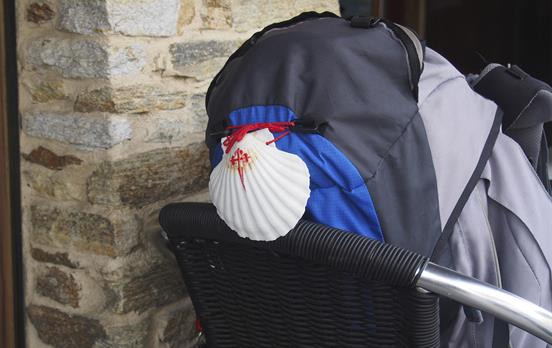
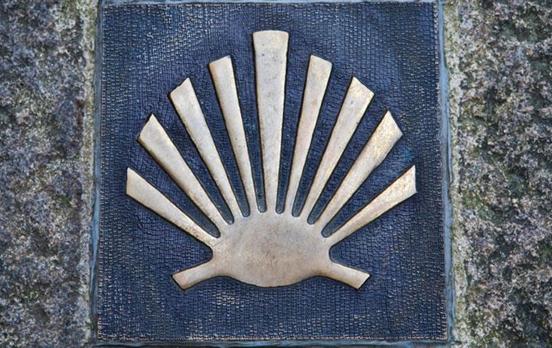
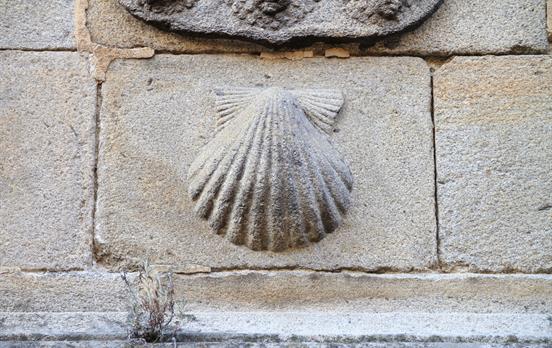
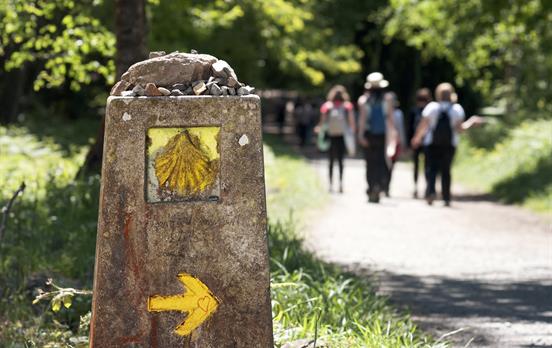
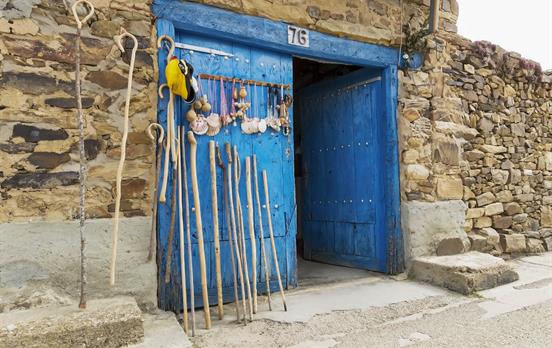
The Camino shell, also known as the scallop shell, is the most recognizable symbol of the Camino de Santiago and has been associated with pilgrimage for centuries.
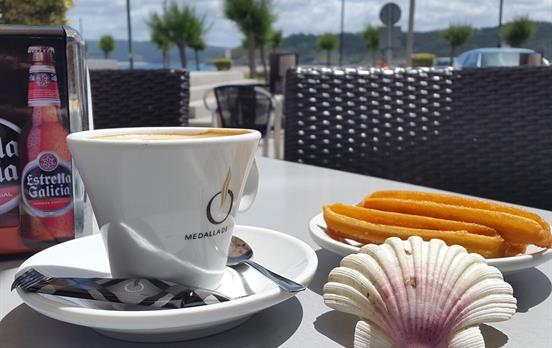
Historically, medieval pilgrims carried a scallop shell home from the coast of Galicia as proof that they had completed the journey to Santiago. Over time, the shell became a universal badge of pilgrimage - worn on cloaks or hats to identify pilgrims and to signal their need for food, shelter, and safe passage.
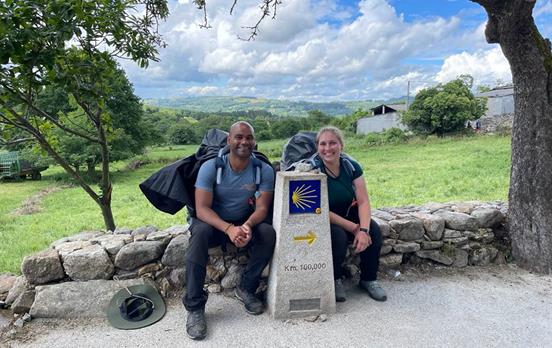
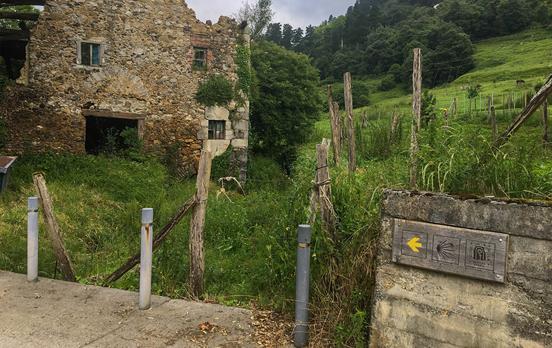
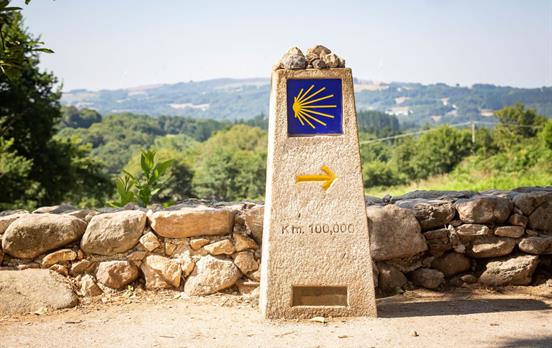
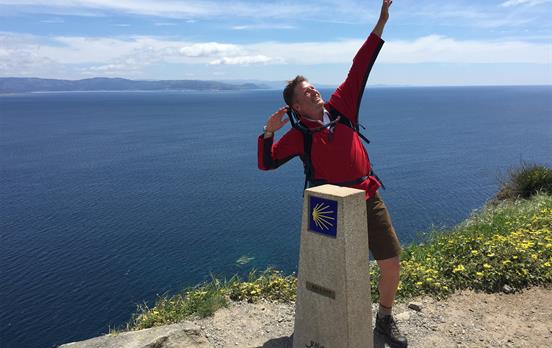
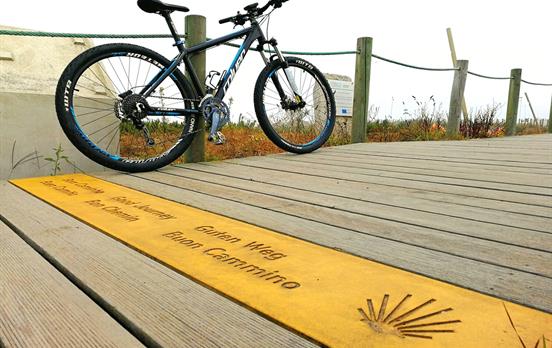
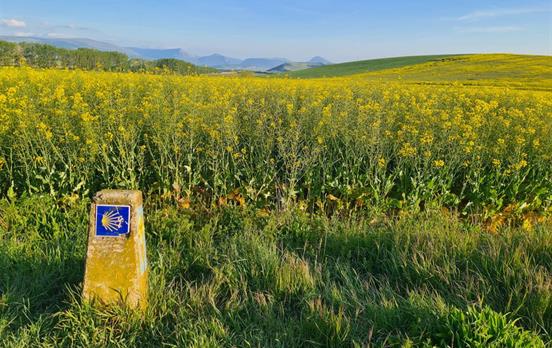
Today, the Camino shell serves several important purposes. It marks the route, often appearing on waymarkers and signs, helping guide pilgrims towards Santiago. Symbolically, the shell’s many grooves are said to represent the different paths of the Camino, all converging at a single point - Santiago de Compostela. For many pilgrims, it also represents protection, guidance, and the shared experience of the journey.
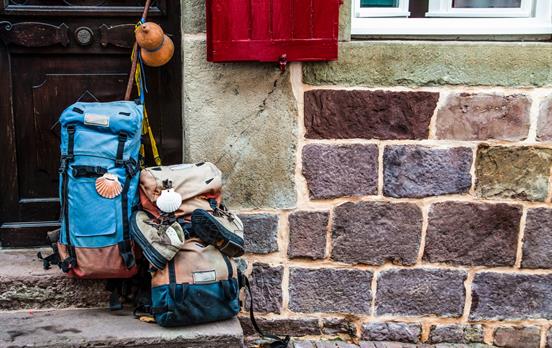
Whether worn on a backpack or spotted along the trail, the scallop shell is a constant reminder that while pilgrims may start in different places, they are all hiking the same Camino. All Macs travelers receive a shell on arrival along with their pilgrim passport.
To find out more, read our blog on the Camino shell and its symbolism >

Essential Phrases and Language
You don’t need fluent Spanish (or Portuguese, depending on your route) to walk the Camino, but learning a few key phrases can really enhance the experience and help you connect with locals and fellow pilgrims.
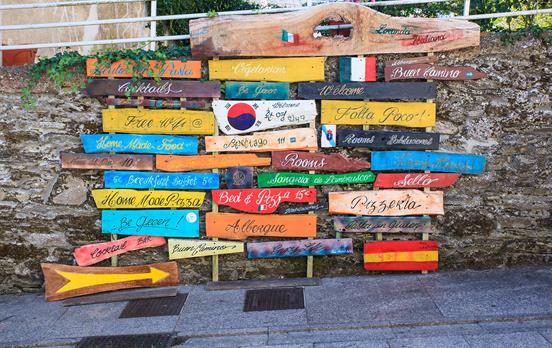
- Buen Camino - The universal Camino greeting, used throughout the day to encourage and acknowledge other pilgrims
- ¡Salud! - Cheers! Often heard when sharing a drink at the end of the day
- Gracias - Thank you
- Por favor - Please
- ¿Dónde está…? - Where is…? (useful for cafés, accommodations, and facilities)
Even a small effort is warmly received, and you’ll often find locals and pilgrims happy to help if you try. Gestures, smiles, and shared Camino spirit do the rest.
To find out more, read our blog on Camino phrases and language tips >

Camino FAQs
Is It Safe to Walk the Camino Solo?
Yes. The Camino is well-marked, well-traveled, and widely considered safe for solo hikers. Most people walk alone but rarely feel alone thanks to the strong pilgrim community along the route.
What are the paths like?
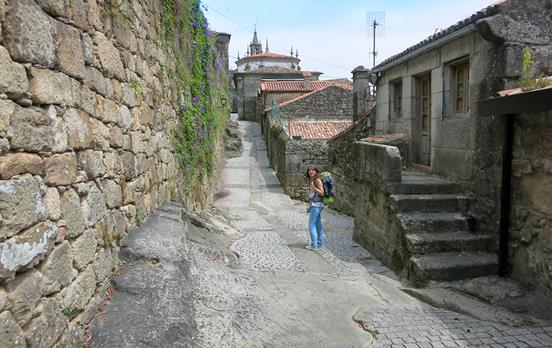
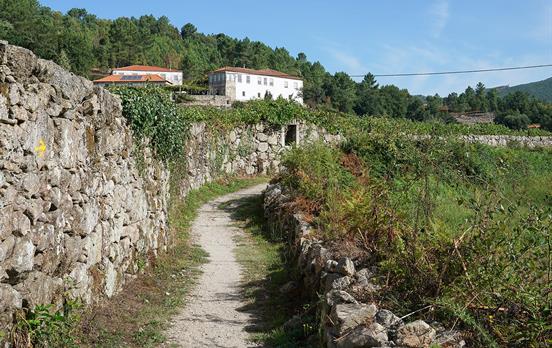
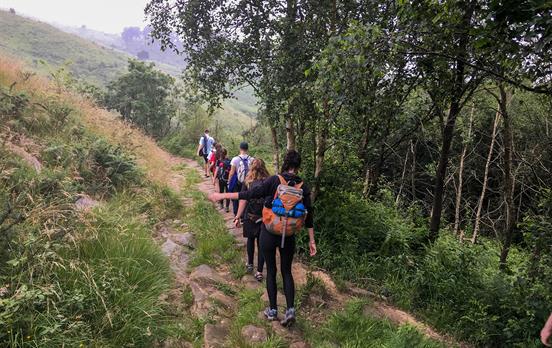
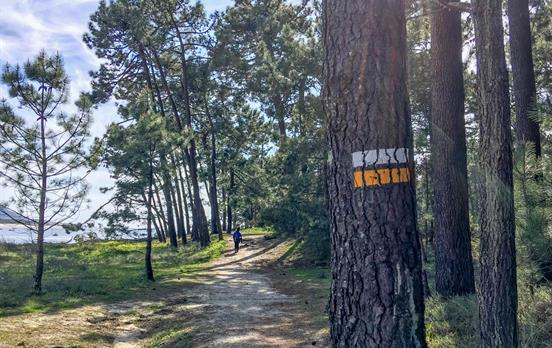
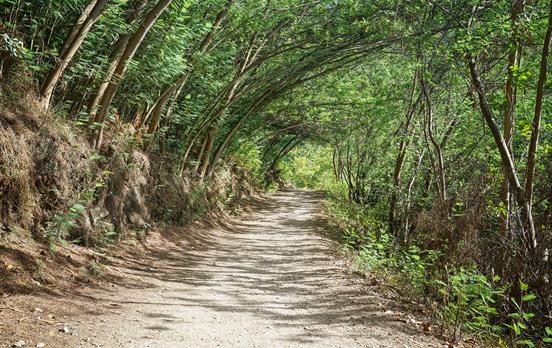
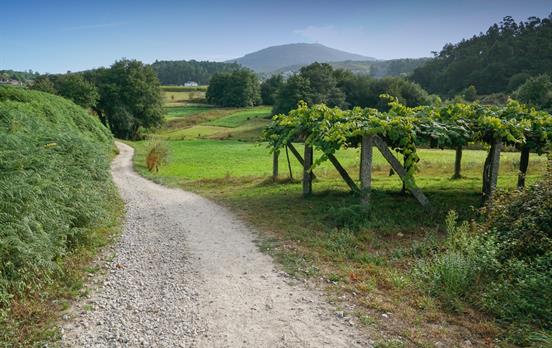
Paths are generally easy to follow and well-marked, with a mix of dirt tracks, gravel paths, cobbles, and quiet roads. Terrain varies by route but is manageable for most hikers.
Can beginners do the Camino?
Absolutely - with the right route, realistic daily distances, and a steady pace. Many Camino routes are well-suited to first-time hikers, and with some basic preparation and comfortable footwear, beginners can enjoy the experience with confidence.
To find out more, read our article answering common Camino FAQs >

Why Choose Macs Adventure for Your Camino Journey?
At Macs Adventure, we specialize in self-guided Camino de Santiago vacations that let you focus on the journey - not the logistics.
- Carefully curated routes and stages
- Hand-picked accommodations
- Luggage transfers available
- Route info and easy navigation via our app
- 24/7 local support
- Pilgrim passport and Camino shell included
Whether you’re hiking or cycling, first-time pilgrim or returning Camino-lover, we’ll help you experience the Camino your way - with confidence, comfort, and a real sense of adventure.
Discover our Camino Guides
- Guide to walking the Camino del Norte >
- Guide to walking the Camino Finisterre >
- Guide to walking the Camino Frances >
- Guide to walking the Camino Ingles >
- Guide to walking the Camino Le Puy >
- Guide to walking the Camino Pourtugese Coastal & Central Way >
- Guide to walking the Camino Primitivo >
Buen Camino.






























 Canada