



Iconic, sociable, and deeply rewarding, the Camino Francés is the classic Camino experience. Stretching roughly 800km from the French Pyrenees across northern Spain to Santiago de Compostela, it's the route that most people picture when they hear the words "Camino de Santiago" - and for good reason.
This is a trail that combines big-mountain crossings with vast meseta plains, charming wine towns with medieval cities, and centuries of pilgrimage history with a lively international walking community. Whether you're walking for the challenge, the culture, or something harder to define, the Camino Francés tends to deliver.

Best Time to Hike the Camino Francés
Best Time for Hiking
The Camino Francés can be walked year-round, but the sweet spot is between April and October, when conditions and services are at their best.
- April-May: Lush green landscapes, fewer crowds, and pleasant temperatures
- June-August: The busiest months - expect company on the trail and lively albergues
- September-October: Cooler days, quieter paths, and a gentler pace as summer fades
Optimal Weather for Walking
The climate changes significantly as you cross Spain - from the wet, Atlantic-influenced north to the warmer, drier interior:
- Average daytime temperatures of 59-82°F (15-28°C), depending on season and region
- Rain is most likely at the start (Saint-Jean-Pied-de-Port) and the finish (Galicia)
- The meseta in summer can be hot and exposed - start early and carry plenty of water
Spring and fall offer the most comfortable walking conditions. Summer is perfectly doable - you'll just have more company.

Difficulty & Terrain
The Camino Francés is generally considered moderate, with a few demanding sections - most notably the very first day.
- Day one (Saint-Jean-Pied-de-Port to Roncesvalles): A tough Pyrenean crossing with significant elevation gain
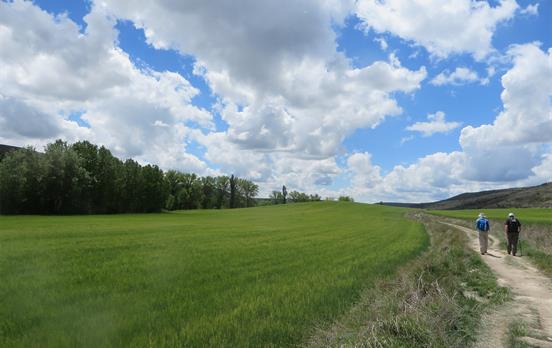
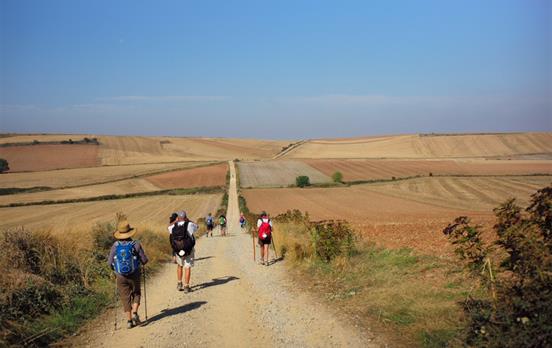
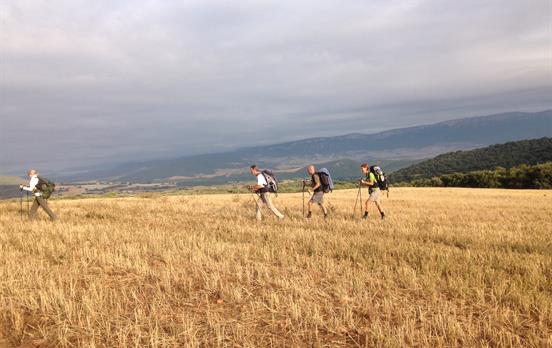
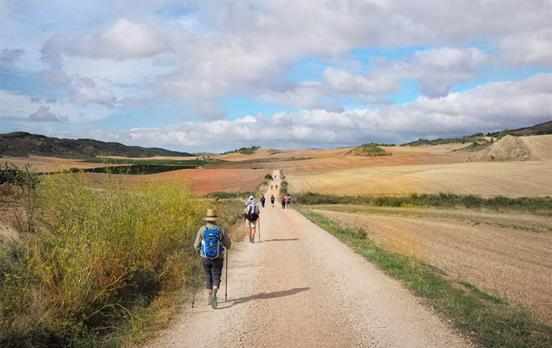
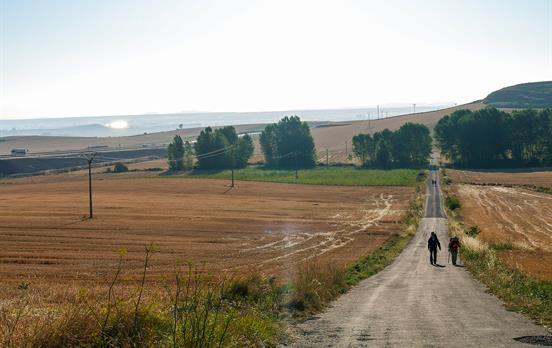
- The meseta: Long, flat stages across Spain's central plateau - mentally as much as physically challenging
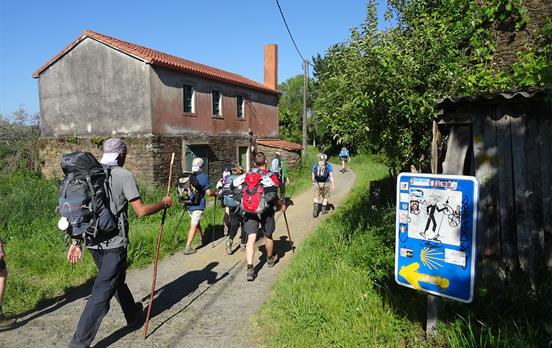
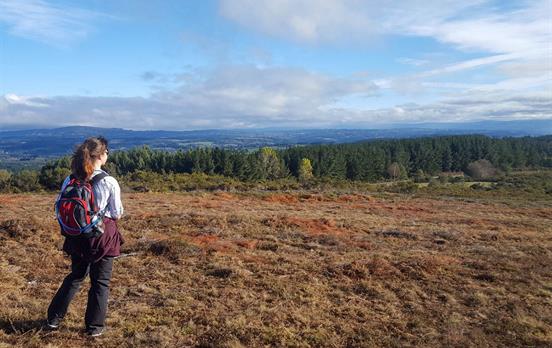
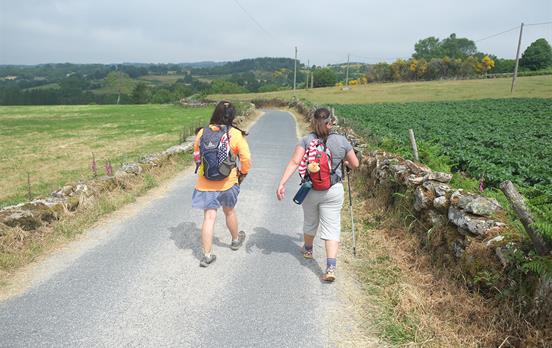
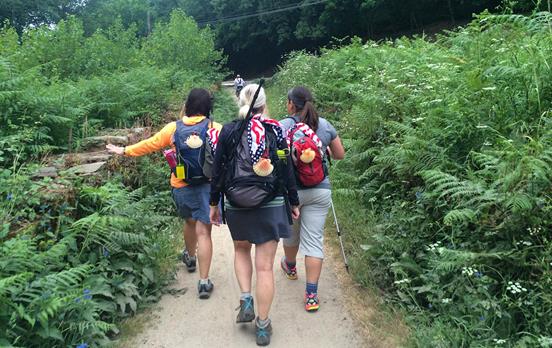
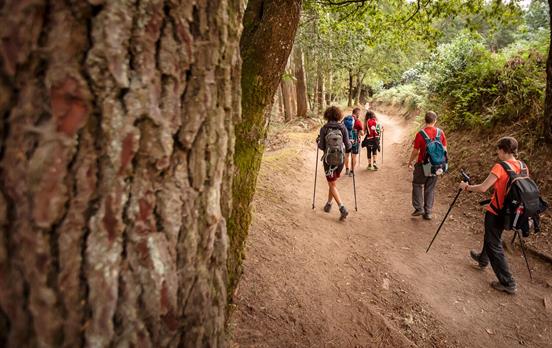
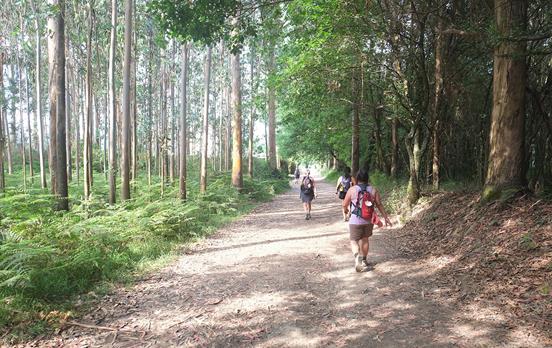
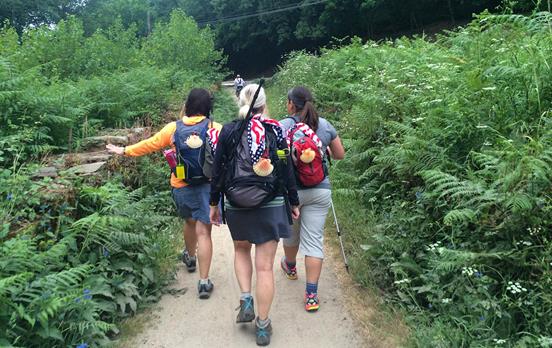
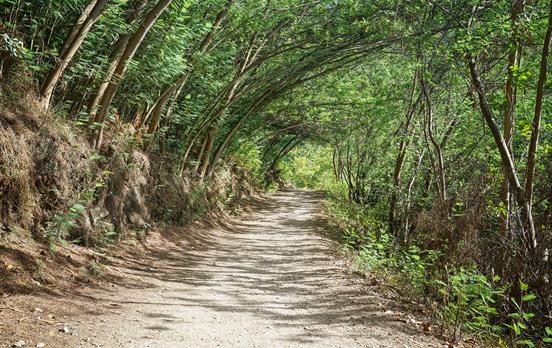
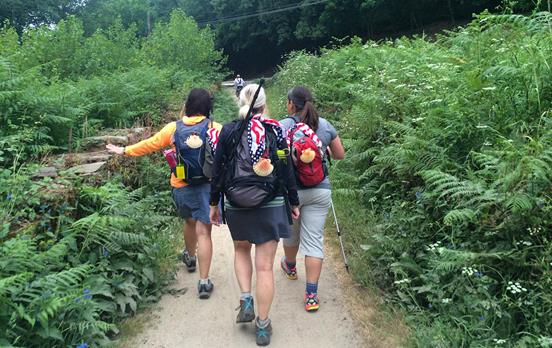
- Galicia: Rolling, forested terrain as the route approaches Santiago
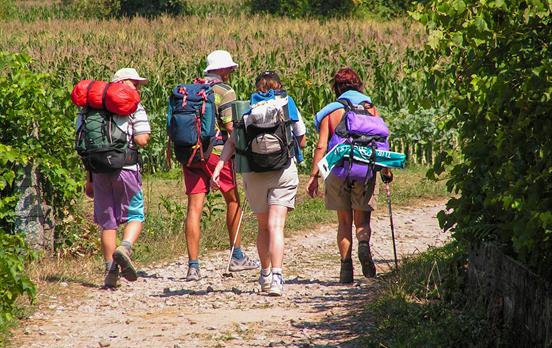
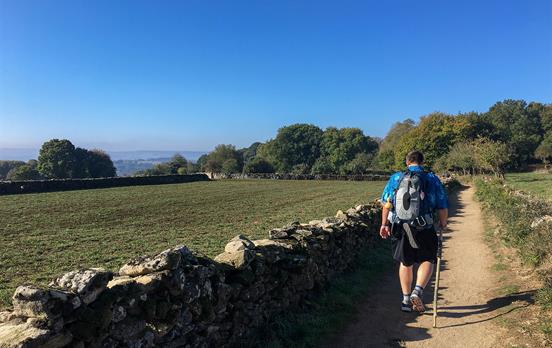
- Typical daily distances of 15-25km (9-15 miles), depending on your itinerary
Overall, this is a route that suits walkers of varied experience levels. The terrain is rarely technical, but the cumulative distance demands a good level of fitness and well-broken-in boots.
Highlights & Landscapes
The Camino Francés has a little of everything, which is part of what makes it such a compelling walk:
- The Pyrenean crossing from Saint-Jean-Pied-de-Port into Spain
- The medieval city of Pamplona, famous for the Running of the Bulls
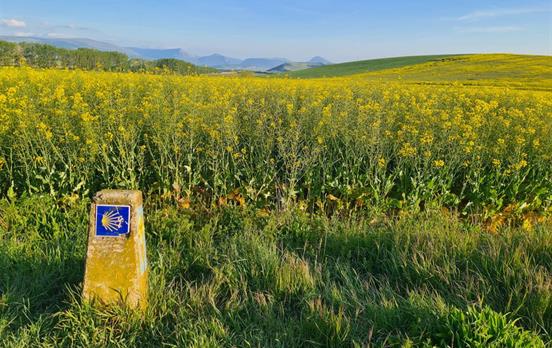
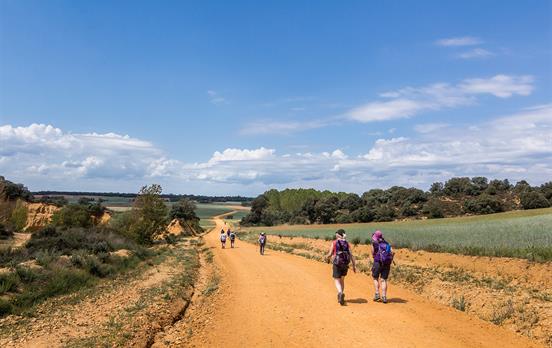
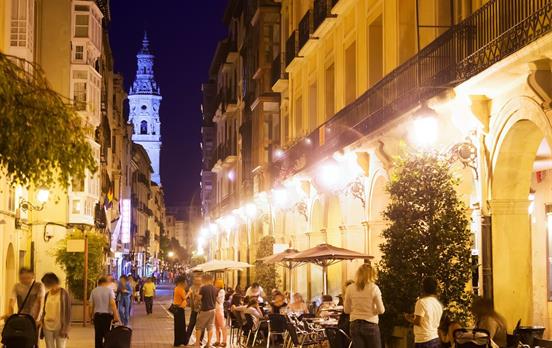
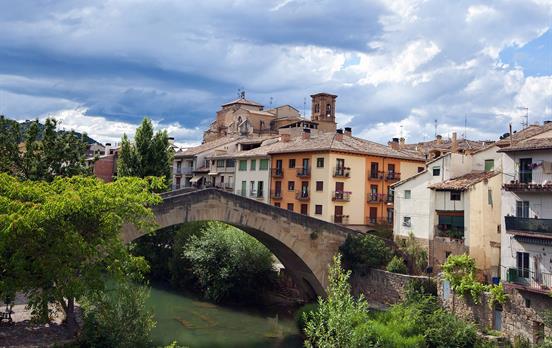
- Rolling vineyards and ochre hills through La Rioja wine country
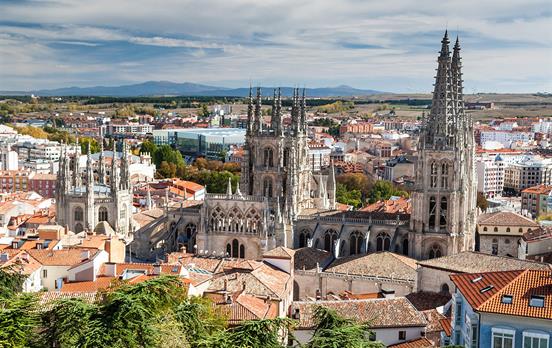
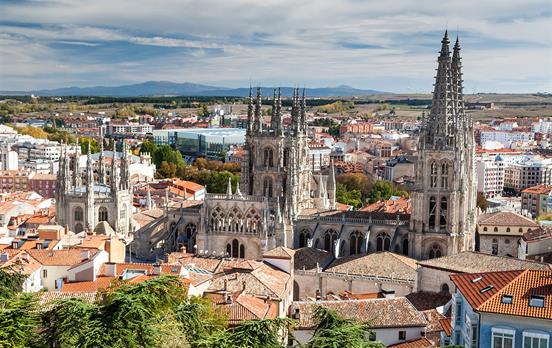
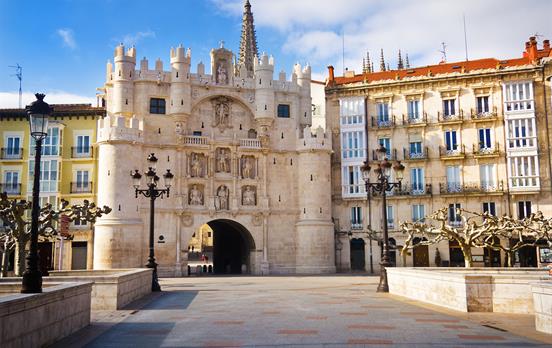
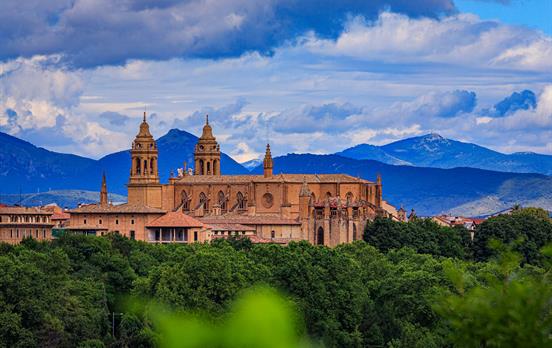
- The grand old pilgrim city of Burgos and its spectacular Gothic cathedral
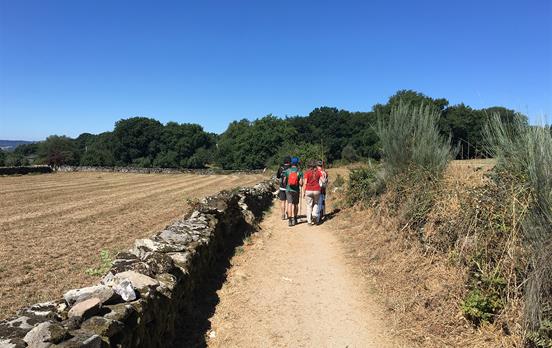
- The vast, sky-wide silence of the meseta
- León's extraordinary stained-glass cathedral
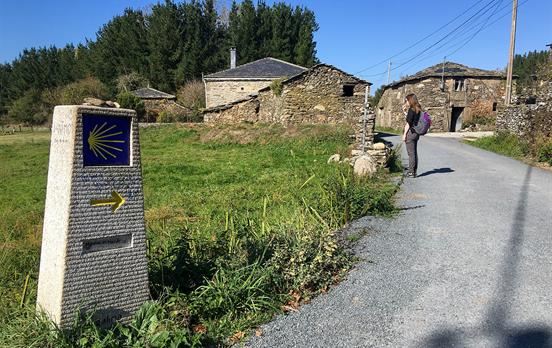
- The ancient forest trails and eucalyptus groves of Galicia
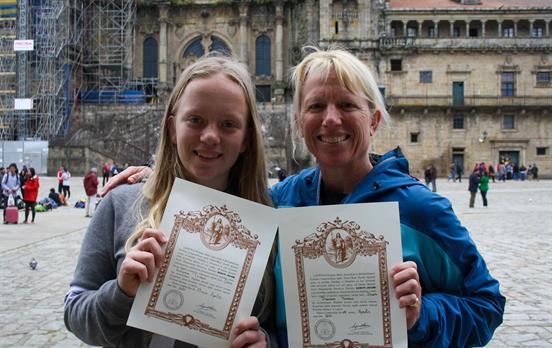
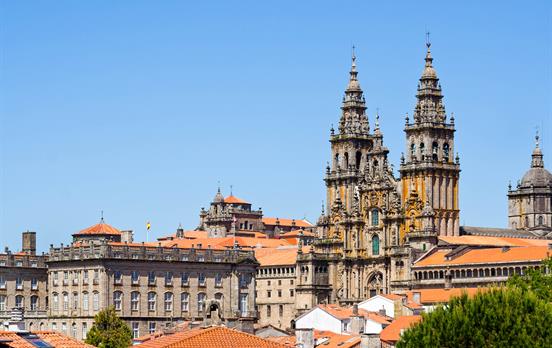
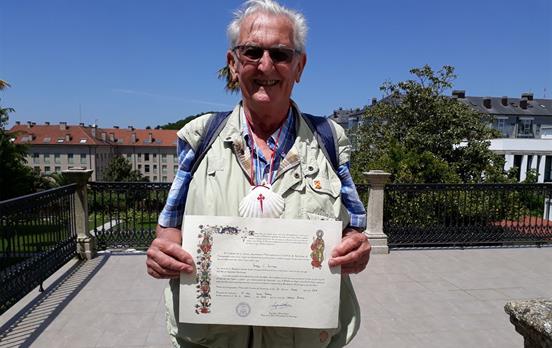
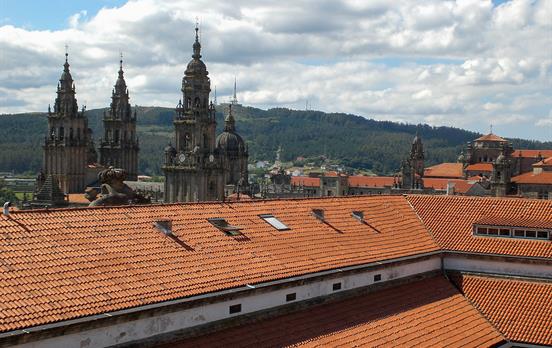
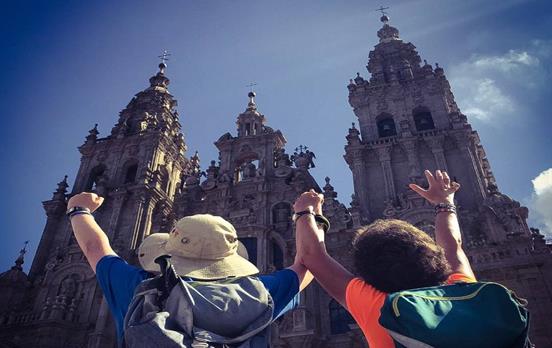
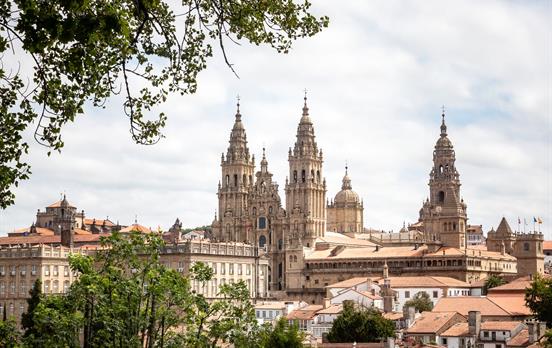
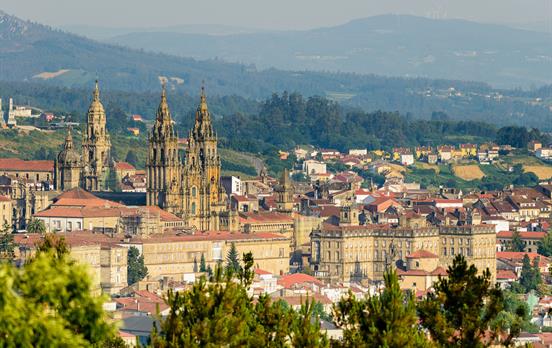
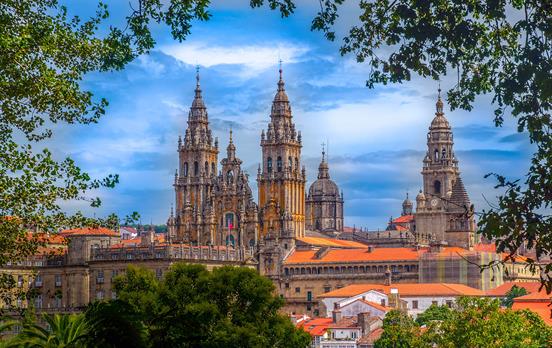
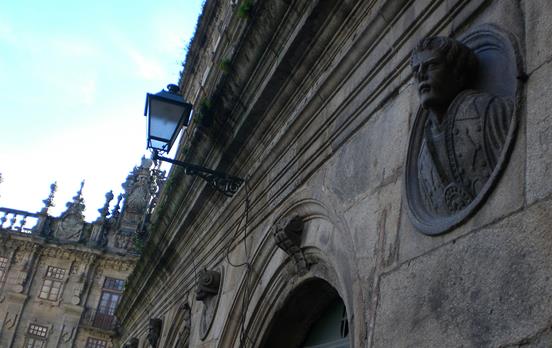
- The emotional arrival at the Plaza del Obradoiro in Santiago de Compostela
Few long-distance routes offer this much variety - landscape, architecture, culture, and community - across a single continuous journey.

How to Get There
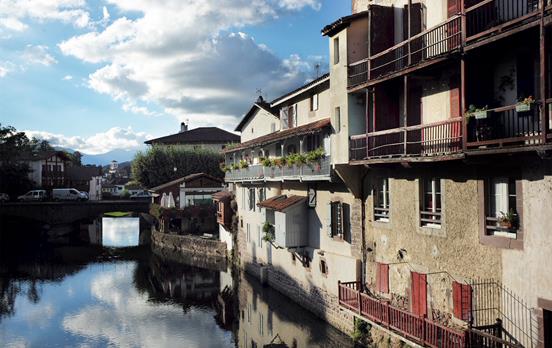
Most walkers start the Camino Francés from Saint-Jean-Pied-de-Port, a picturesque French Basque town just over the Spanish border.
- By air: Fly into Biarritz, Bilbao, or Pamplona - all with good onward connections
- By train: Paris to Bayonne (TGV), then a regional train to Saint-Jean-Pied-de-Port
- By bus: Connections available from Pamplona and other major Spanish cities
At the end of your journey, Santiago de Compostela has an international airport and regular train and bus connections to Madrid, Lisbon, and beyond.
For a step-by-step guide on planning your journey, including transport options and logistics, check out our Camino travel guide, which covers everything you need to know about getting to the start and from the end of the Camino Francés.

What to Pack
Packing for the Camino Francés means thinking about varied terrain and changing weather conditions - from mountain cold to meseta heat in the space of a few days.
Essentials include:
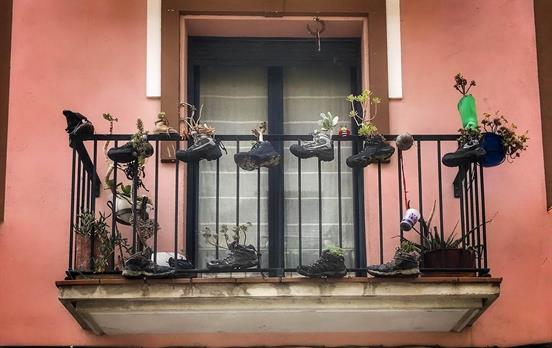
- Comfortable, well-broken-in walking shoes or boots
- Lightweight, breathable clothing layers
- Waterproof jacket and rain cover
- Daypack (your luggage is transferred if you're traveling with us)
- High-SPF sun protection for exposed meseta stages
- Reusable water bottle
- Basic first aid kit and blister care
The first day over the Pyrenees can catch people out - even in summer, conditions at altitude can change quickly. A warm layer is worth its weight.
For a full packing checklist, take a look at our guide on what to pack for a Camino hiking vacation.

Things to Do
The Camino Francés passes through some of Spain's most interesting cities and towns - it's worth slowing down to take them in:
- Explore Pamplona's old town and walk its famous city walls
- Taste your way through La Rioja's wine villages
- Visit Burgos Cathedral - one of Spain's most impressive Gothic buildings
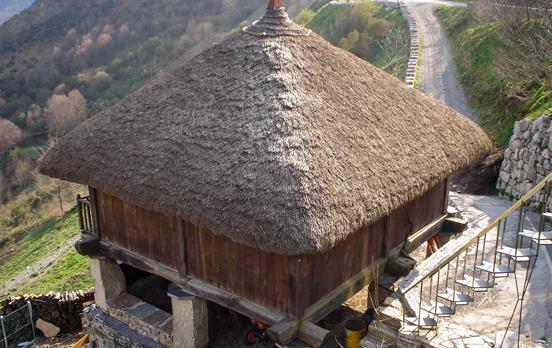
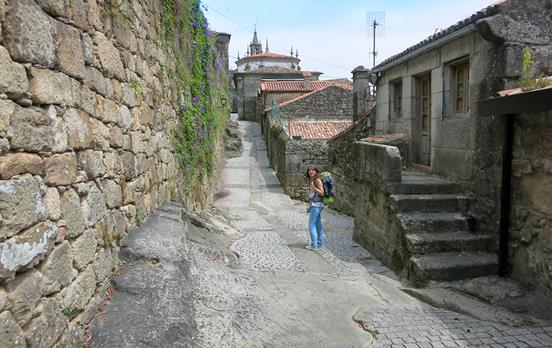
- Wander the medieval streets of O Cebreiro in Galicia
- Attend a Pilgrim Mass at the Cathedral of Santiago de Compostela
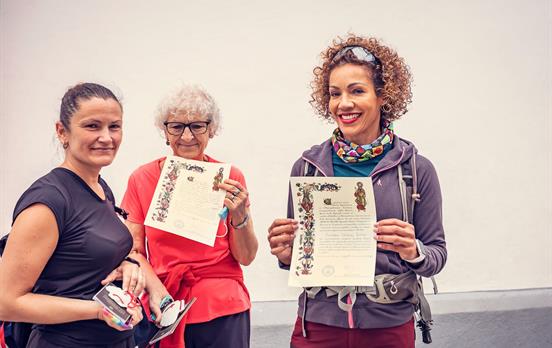
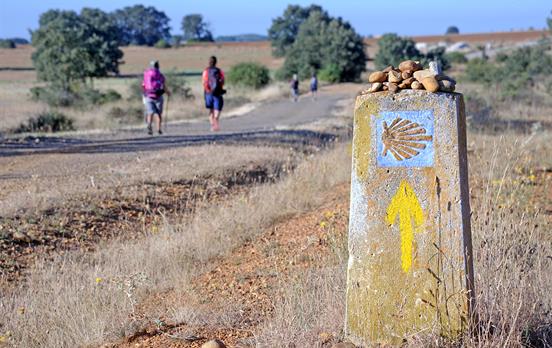
- Collect stamps in your Pilgrim Passport at churches and cafés along the way
- Watch the botafumeiro - the enormous incense burner - swing through the cathedral nave
The walk itself is the point. But the cities you pass through, the people you meet, and the stops in between tend to stay with you just as long.

What to Eat and Drink
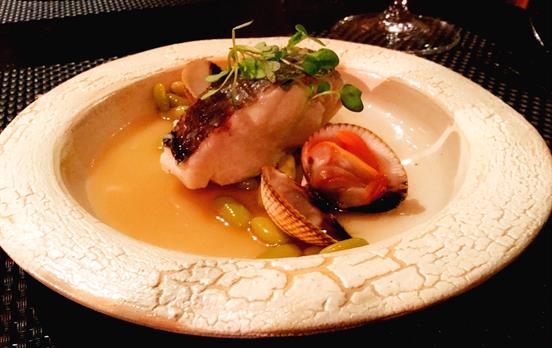
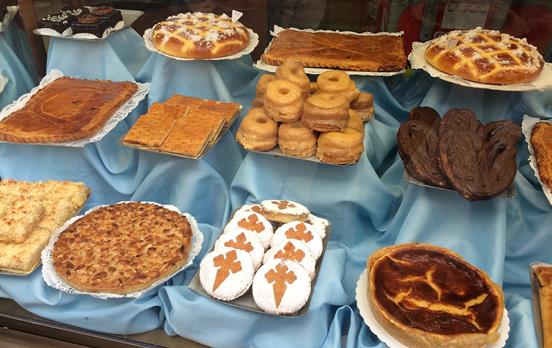
Spain's northern regions know how to eat well, and the Camino Francés takes you through some of the country's finest food territories.
What to Eat
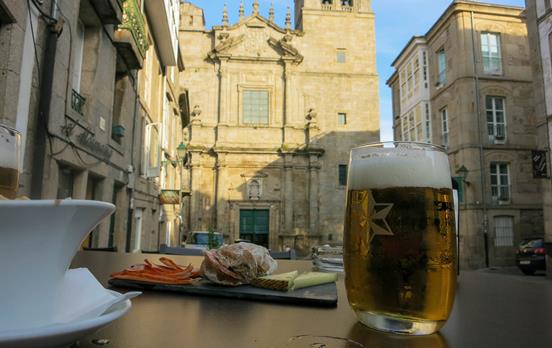
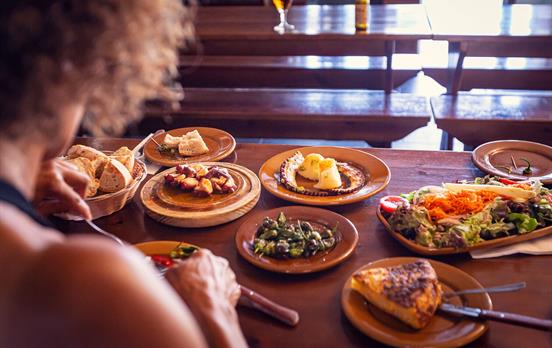
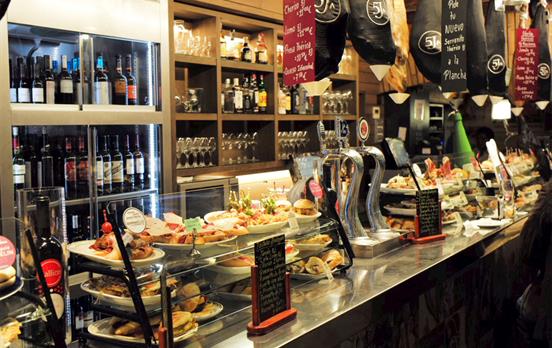
- Pintxos: Small Basque bar snacks, perfect in Pamplona and the Navarrese towns
- Menú del Peregrino: The pilgrim menu - a three-course meal with wine at a very honest price
- Cochinillo and roast lamb: A Castilian speciality as you cross the central plateau
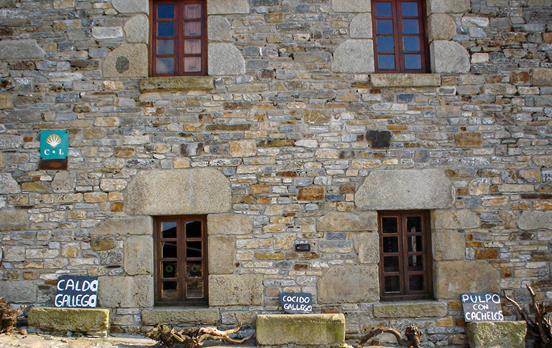
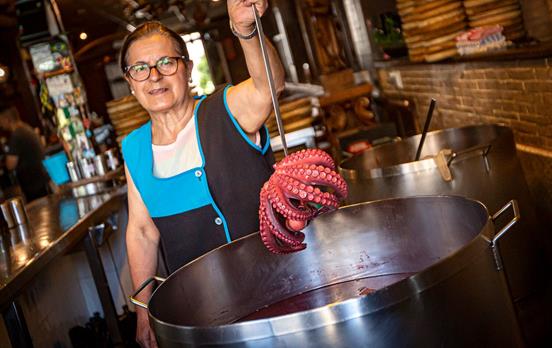
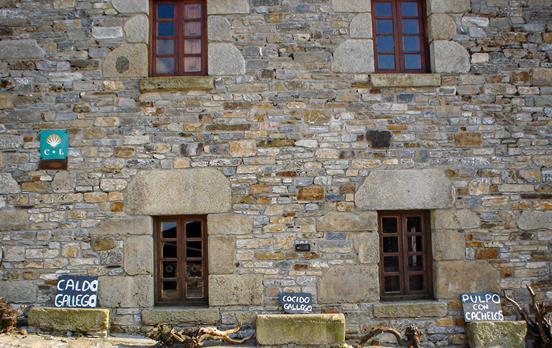
- Pulpo a la gallega (Galician octopus): A must as you approach Santiago
- Tortilla Española: A reliable, filling staple at any hour
What to Drink
- Rioja: You'll walk through the wine region itself - hard to resist
- Txakoli: Lightly sparkling Basque white wine, refreshing after a long day
- Sidra (cider): Popular in Asturian-influenced areas
- Café con leche: The perfect mid-morning reward at any bar along the route
Pilgrim menus make eating well on the Camino surprisingly affordable. Long, shared dinners with fellow walkers are very much part of the experience.

Types of Accommodations Along the Camino Francés
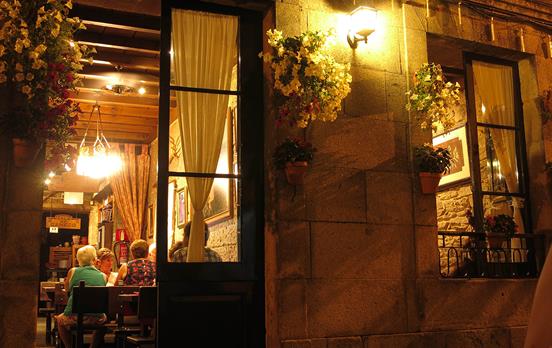
Accommodations range from communal hostels to comfortable private rooms, depending on how you like to travel:
- Hotels & guesthouses: Private rooms, often with en-suite facilities and a proper breakfast
- Casa rurales: Family-run countryside stays with plenty of local character
- Pensiones: Simple, locally owned rooms - good value and well-placed
- Albergues (pilgrim hostels): Communal dormitories and shared facilities, popular with independent walkers
When you travel with Macs Adventure, we carefully select hand-picked accommodations with private, en suite rooms that offer comfort, character, and a warm welcome - plus daily breakfasts to set you up for the day ahead.

Helpful Phrases to Learn
Spanish is the language of the Camino, though you'll hear dozens of others along the way. A few words go a long way:
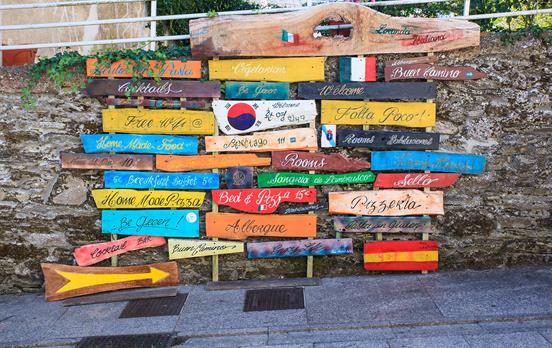
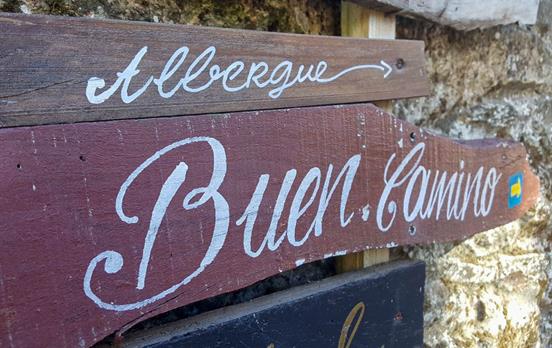
- Buen Camino - The universal pilgrim greeting (and all-purpose good wish)
- Hola - Hello
- Por favor - Please
- Gracias - Thank you
- ¿Dónde está…? - Where is…?
- Una cerveza, por favor - One beer, please
- ¿Tienes sello? - Do you have a stamp? (for your Pilgrim Passport)
In Galicia, you may also hear Galician (Galego) - a language closer to Portuguese than Spanish, and a reminder that you've entered a distinct and fascinating corner of the country.
For more useful expressions, check out our essential Camino phrases guide before you go.
The Camino Francés is the Camino most people dream about - and it more than lives up to it. It's a route that challenges you just enough, rewards you constantly, and somehow manages to feel both busy and deeply personal at the same time.
Whether you're walking for the history, the landscapes, the food, or simply the satisfaction of arriving somewhere real under your own power, this is one of the great long-distance routes in the world.

Reasons to Book with Macs Adventure
Planning a Camino should feel exciting, not overwhelming. With Macs Adventure, everything is taken care of so you can focus on the experience itself.
- Carefully chosen accommodation with daily breakfasts
- Hand-picked accommodations
- Daily luggage transfers
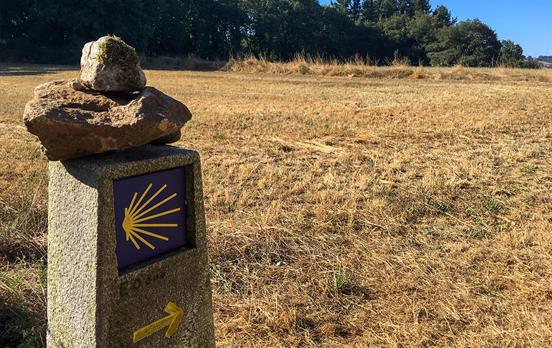
- Detailed route info and navigation support via our award-winning app
- 24/7 emergency assistance
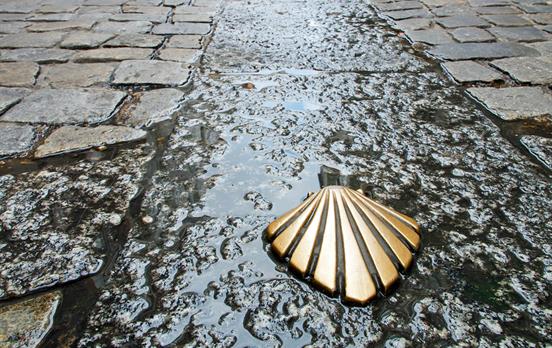
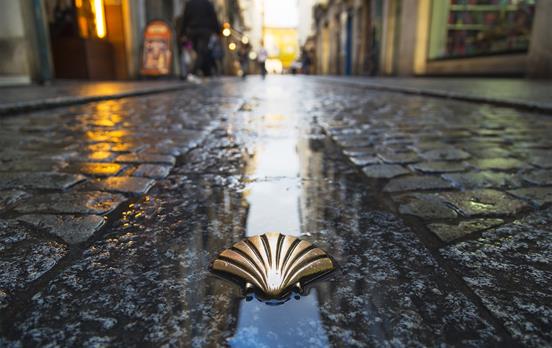
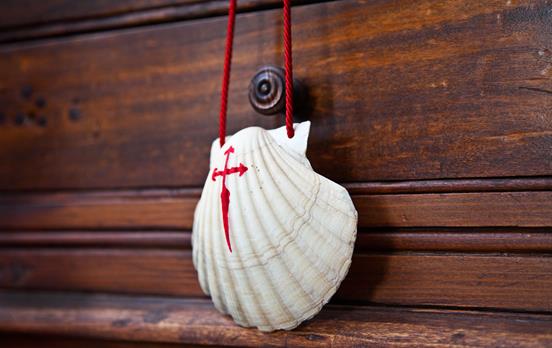
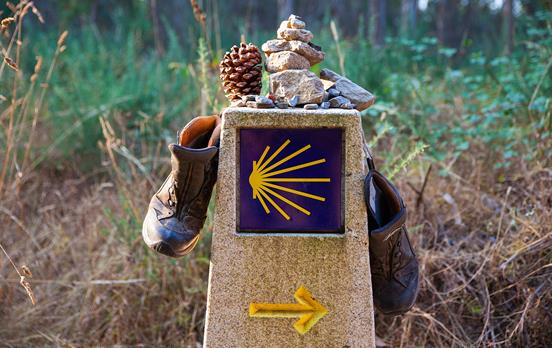
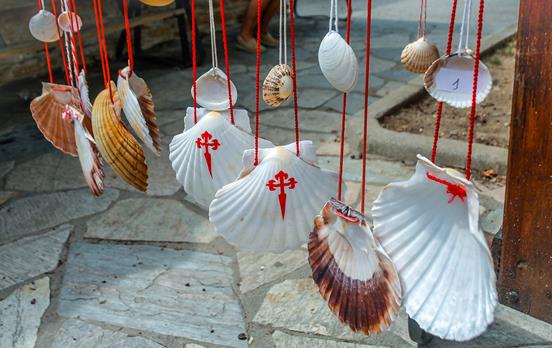
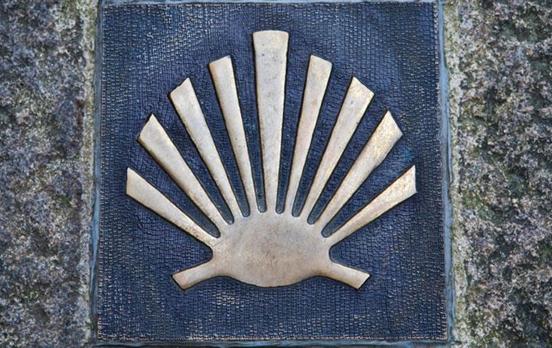
- Pilgrim passport and Camino shell included
All that’s left for you to do is follow the trail-and enjoy every step.

People Also Ask
- Ultimate Guide to the Camino de Santiago
Everything you need to know about routes, planning, and what to expect.
Read the ultimate Camino guide >
- What is a Camino?
A Camino is a long-distance pilgrimage journey, traditionally walked (or cycled), that follows historic routes leading to Santiago de Compostela in northwest Spain.
Learn more about the History of the Camino >
- Which Camino Is Right for Me?
Compare routes and find the Camino that best suits your pace, interests, and experience.
Find your Camino >
- What Should I Pack for My Camino Trip?
From footwear to essentials, pack smart and walk comfortably.
See the Camino packing list >
- Tips for Traveling to and From the Camino
Practical advice on flights, transfers, and route logistics.
Plan your journey >
- Essential Camino Phrases
Helpful Spanish phrases for pilgrims along the way.
Learn Camino phrases >
- How Fit Do I Need to Be to Walk a Camino Route?
Understand the physical demands and how to prepare.
- Camino FAQs
Clear answers to the most common Camino questions.
Read Camino FAQs >














 Canada