



There's something quietly special about the Camino Portuguese - also known as Camino Portugués. It doesn't shout for attention the way the famous Camino Francés does - and that's exactly what makes it so good. Starting in Lisbon (or Porto, if you're doing the final stages), this is a route steeped in history, warm welcomes, and some seriously good food. Whether you choose to follow the inland Central Way through Portugal's most vibrant cities or swing out along the wild Atlantic on the Coastal Way, you're in for a walk you won't forget.
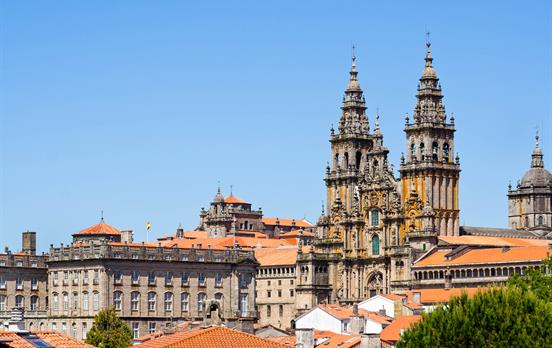
Both routes end in the same place: the magnificent Santiago de Compostela Cathedral in Spain. But the journeys couldn't be more different in feel, and both are completely worth it.
This guide covers everything you need to know to plan your Camino Portuguese adventure - from when to go and what to pack, to what to eat and where to rest your legs at the end of a long day.

Best Time to Visit the Camino Portuguese
Best Time for Hiking
You can walk the Camino Portuguese any time between March and October, but the best time is between May and September, when the weather is generally mild, and the trails are at their most pleasant.
- March–June: Fresh spring landscapes, quieter trails and mild temperatures. Daytime temperatures typically between 59-77°F (15–25°C).
- July–August: Warmest and most stable weather, but also the busiest months - particularly hot on the inland Central Way. Temps regularly reach the high 70s and 80s.
- September–October: Ideal conditions with fewer pilgrims and comfortable temperatures typically between 59-77°F (15–25°C).
Here at Macs Adventure, we offer these routes between March and October.
Optimal Weather Conditions
Northern Portugal and Galicia have a green Atlantic climate, meaning conditions can change - particularly as you move into Spain. Expect:
- Daytime temperatures typically between 59-77°F (15–25°C) in spring and the fall
- Hot spells on the Central Way in summer, regularly reaching the high 70s and 80s
- The Atlantic breeze on the Coastal Way helps to keep things bearable in warmer months
- Occasional rain, especially in Galicia - carrying a waterproof is always a good idea
Difficulty & Terrain
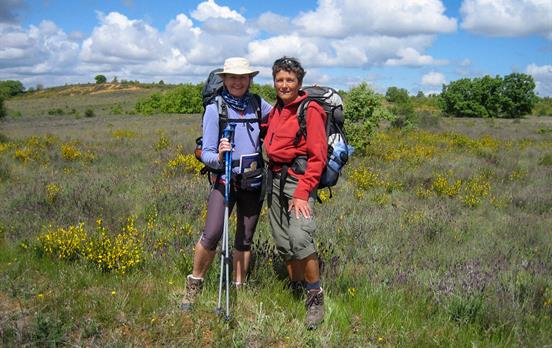
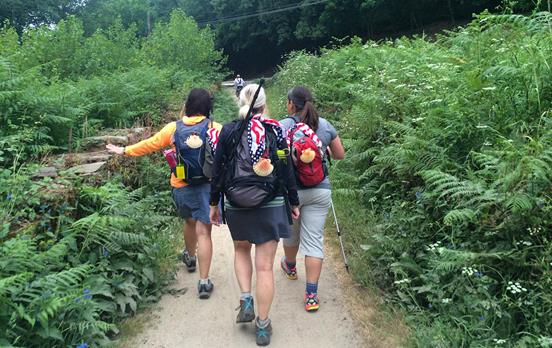
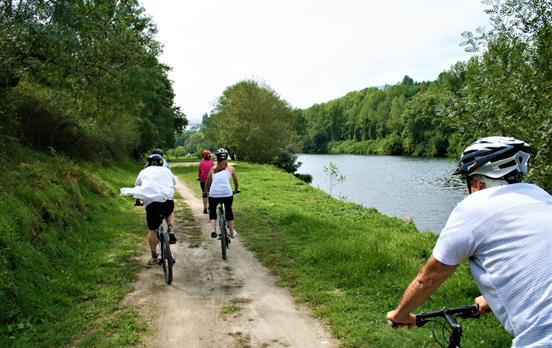
The Camino Portuguese is generally considered a moderate route - a solid choice for first-time pilgrims as well as experienced walkers. Daily distances typically range from 9 to 16 miles (15 to 25km), with most stages very manageable if you're reasonably fit and have done some walking beforehand.
- The Central Way heads inland from Lisbon through towns like Tomar, Coimbra, and Porto.
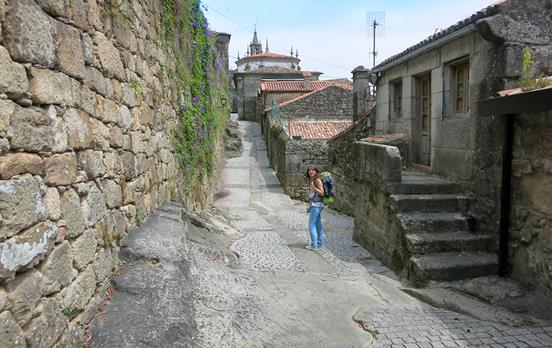
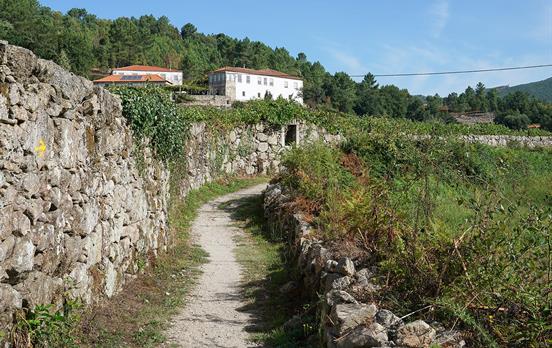
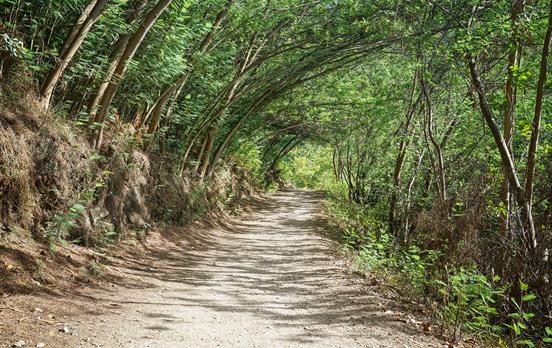
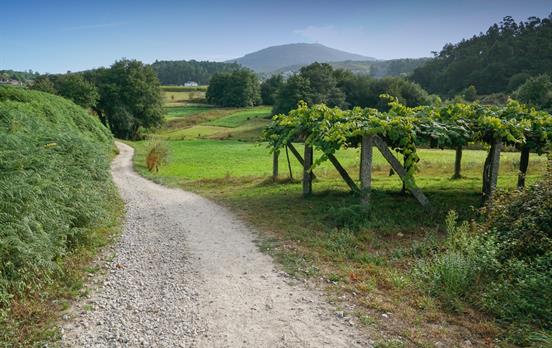
- The terrain is mostly flat to gently rolling, with some quiet country lanes, forest tracks, and cobblestone streets through historic centres.
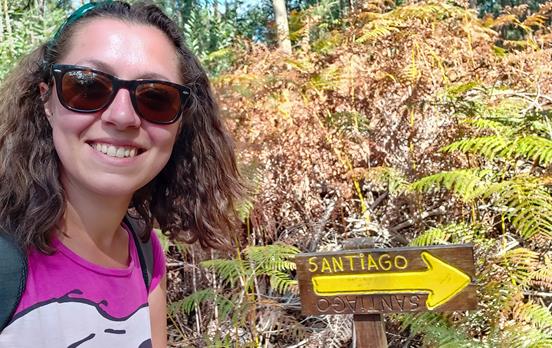
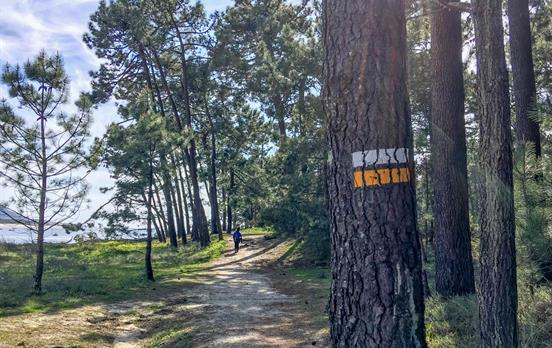
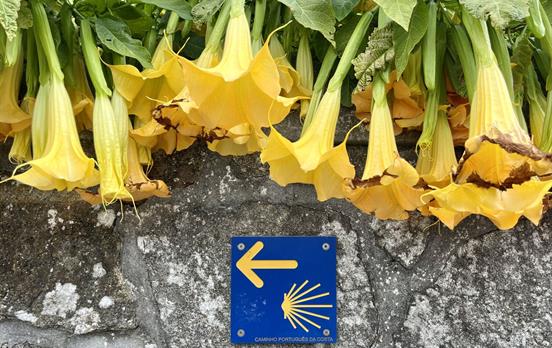
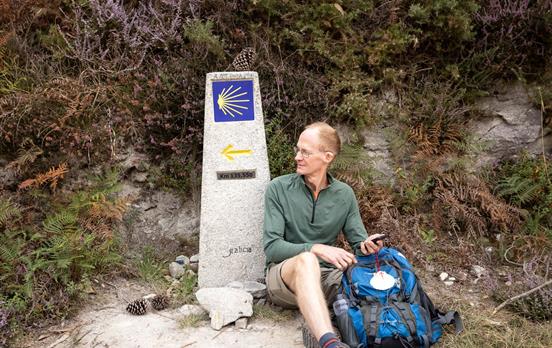
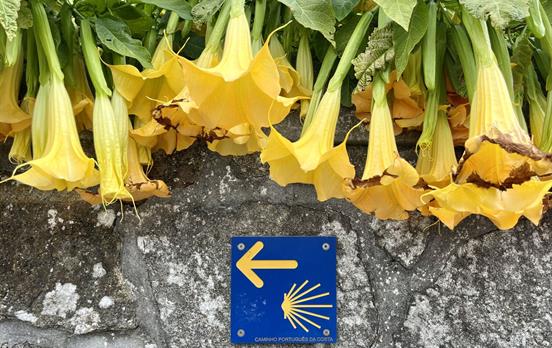
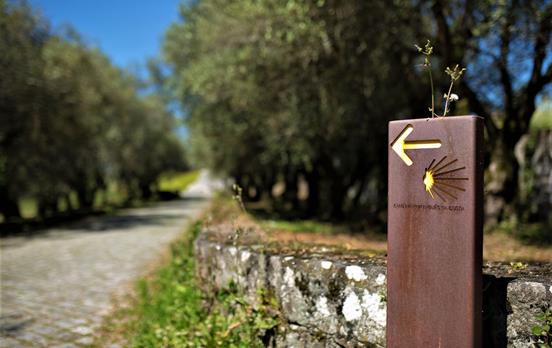
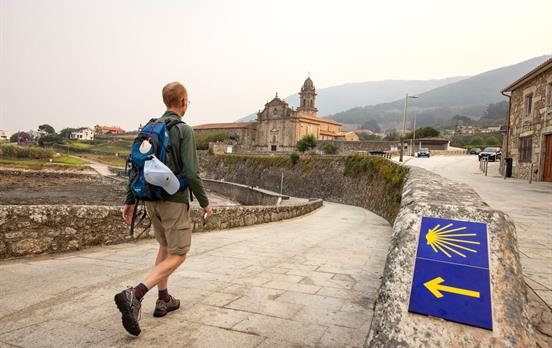
- It's the more well-worn of the two routes, with clear waymarking throughout.
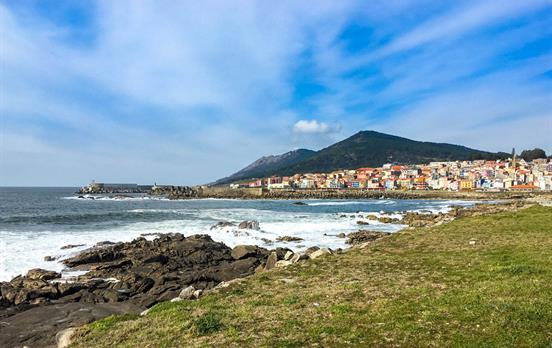
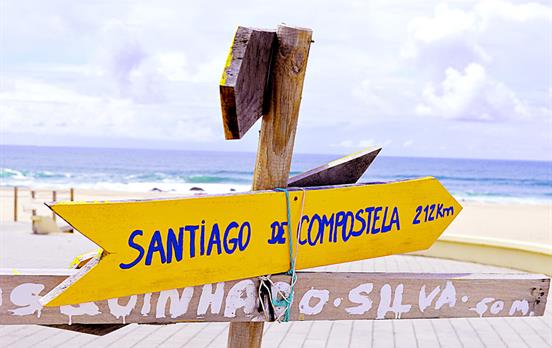
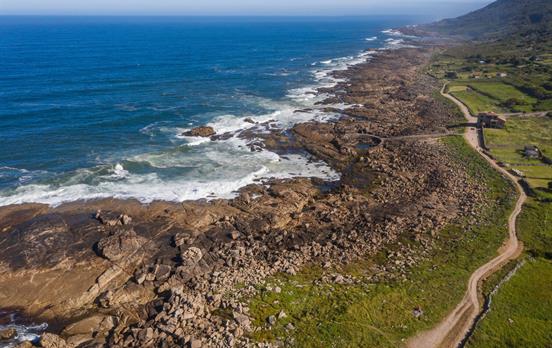
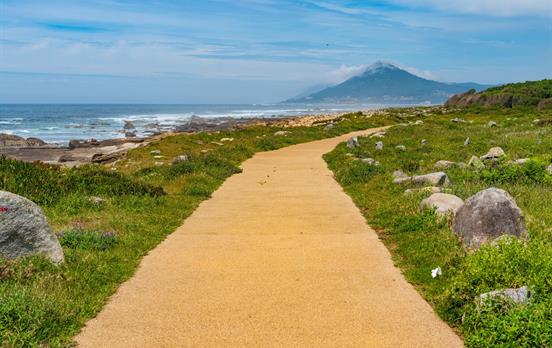
- The Coastal Way runs from Porto to Santiago, following Portugal's rugged Atlantic coastline.
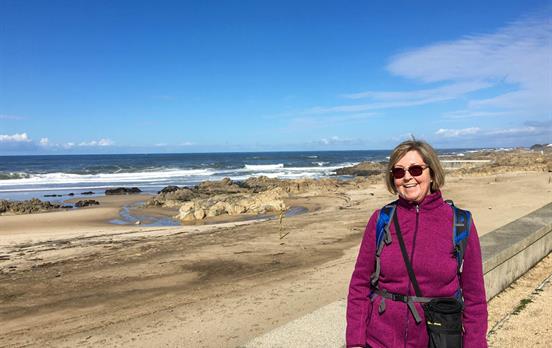
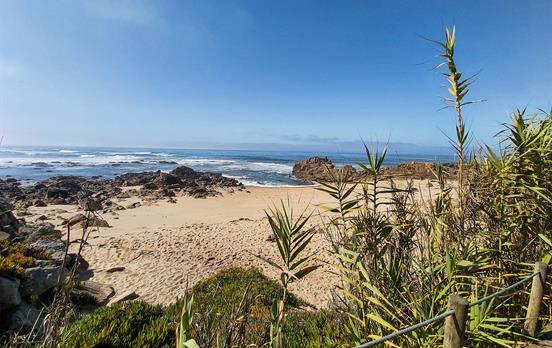
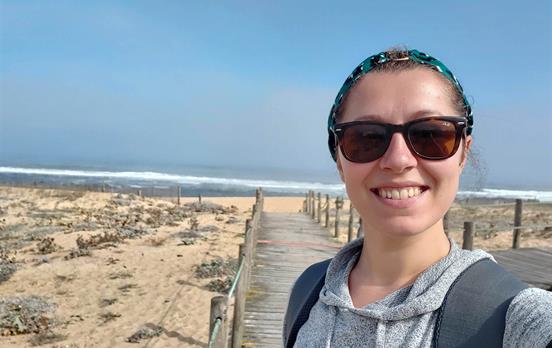
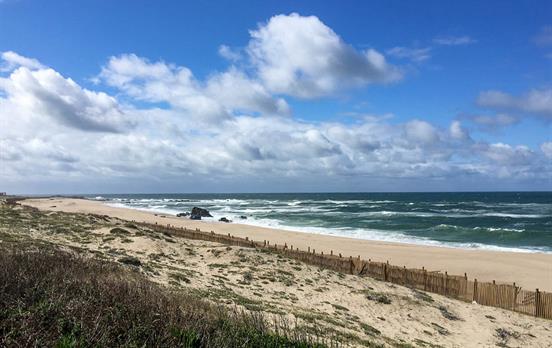
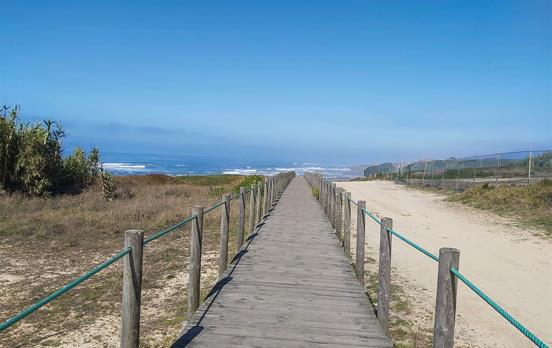
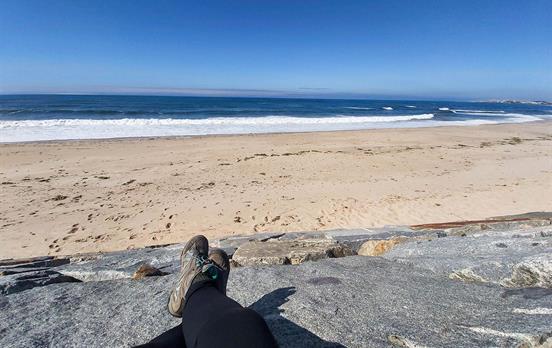
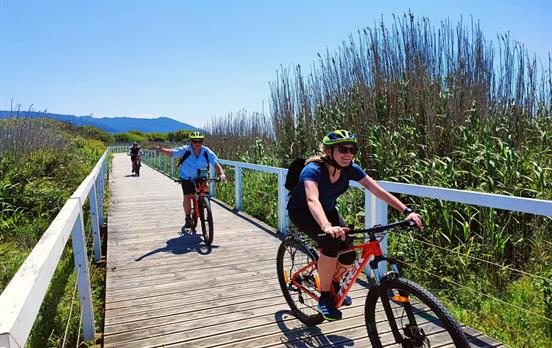
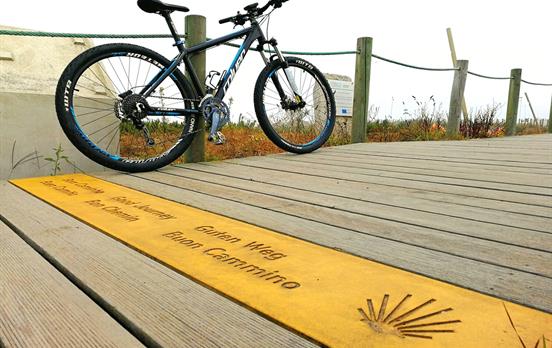
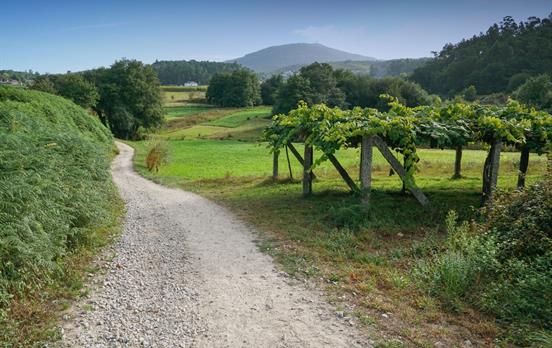
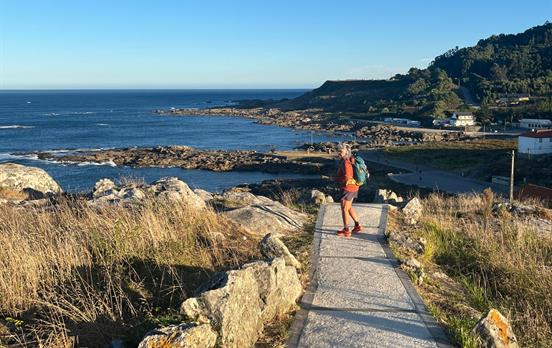
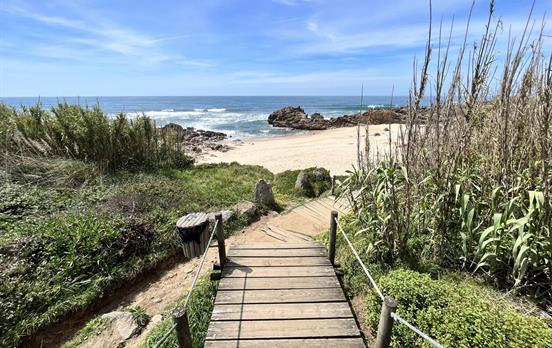
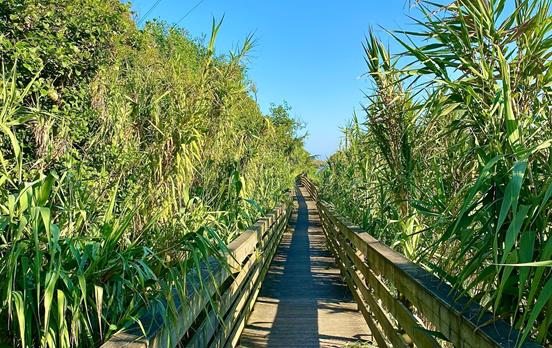
- This one has a bit more variety underfoot - sandy beaches, coastal boardwalks, clifftop paths, and forest sections. It's equally accessible, but the mix of surfaces keeps things interesting.
- Some stages can be longer and more exposed, so good footwear and sun protection are a must.
Highlights & Landscapes Along the Way
Both routes have their standout moments, and choosing between them is genuinely difficult.
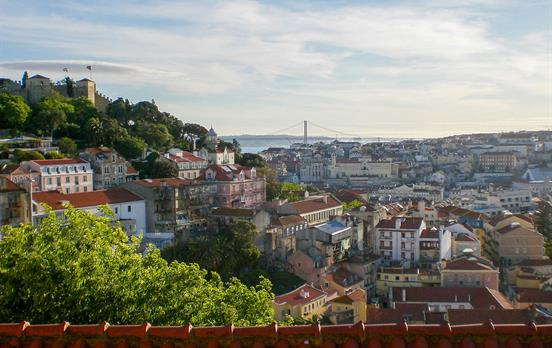
- On the Central Way, the cities are the stars. Lisbon's antique trams and colorful tiles.
- Coimbra's ancient university and legendary pastries.
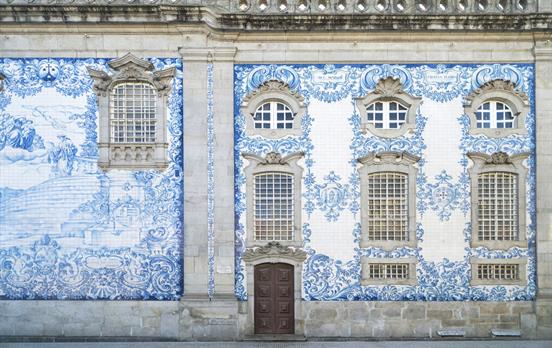
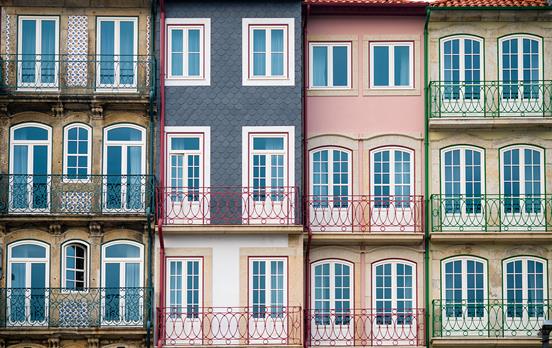
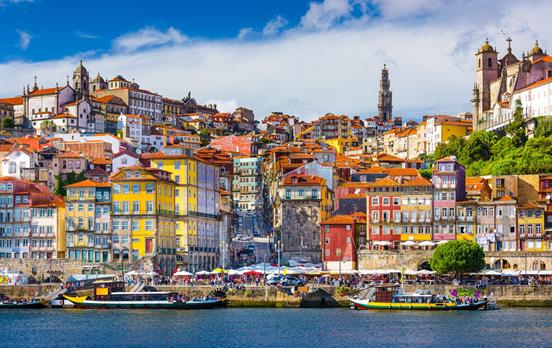
- Porto's wine cellars and azulejo-tiled facades. These are proper cities, full of character - and you get to walk between them.
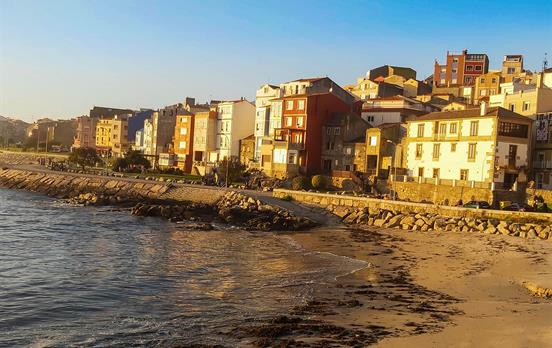
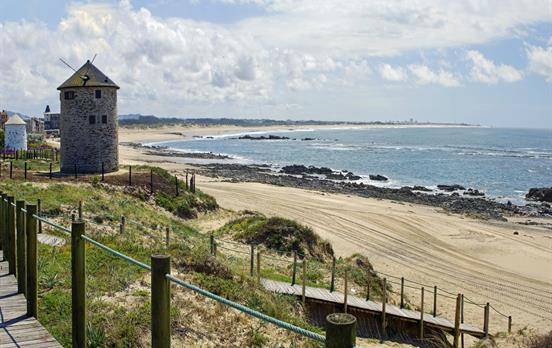
- The Coastal Way is all about the scenery. Long stretches of golden beach. Tiny fishing villages where the day's catch is still being unloaded.
- The windmills at Montedor near Viana do Castelo.
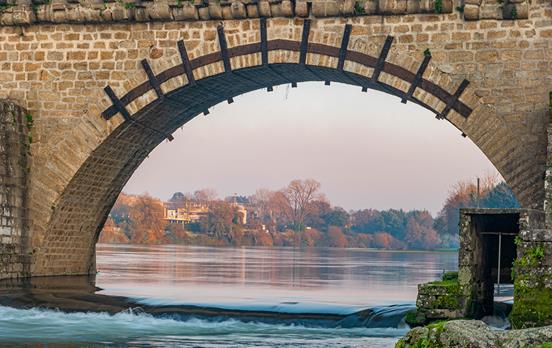
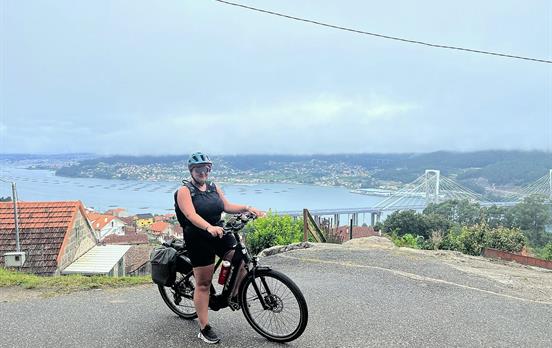
- Crossing the River Minho into Spain at Caminha, with Galicia shimmering on the other side.
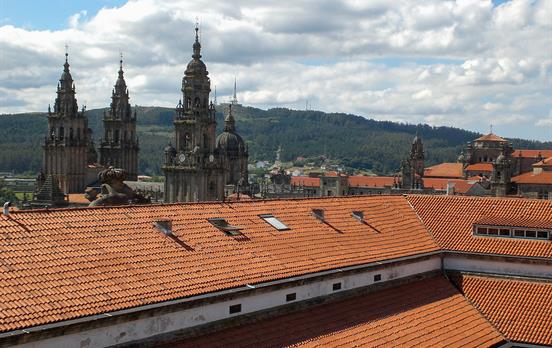
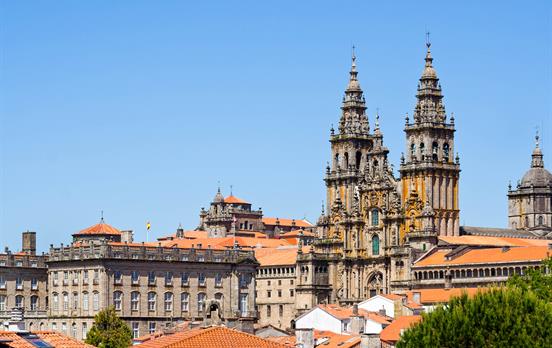
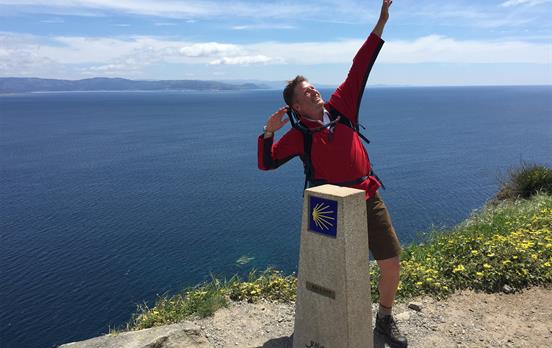
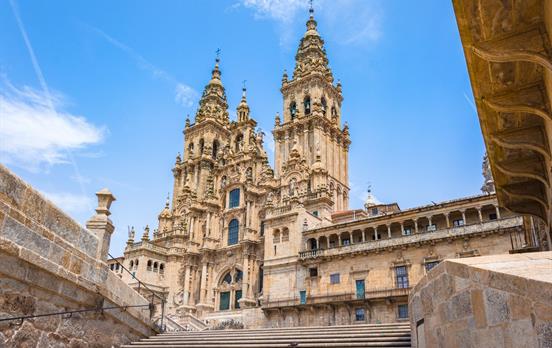
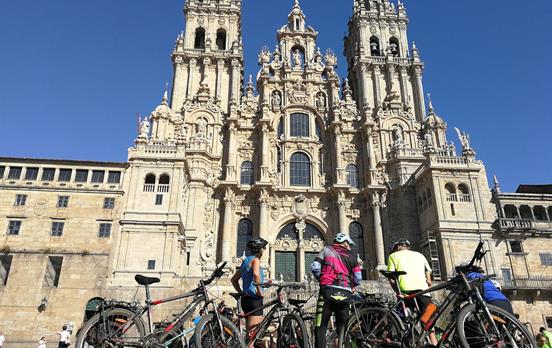
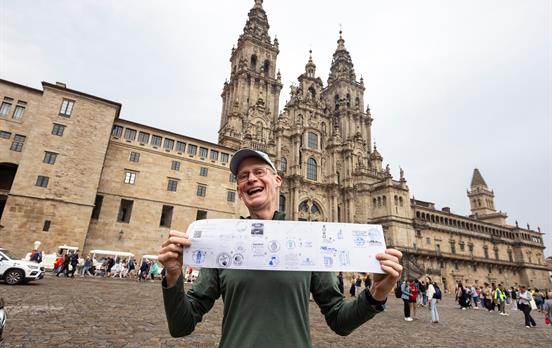
Both routes share the joy of arrival - walking into the Plaza del Obradoiro and seeing that cathedral for the first time. After days on your feet, there are few better feelings.

How to Get to the Camino Portuguese
Getting to the start of the Camino Portuguese and home from Santiago de Compostela is all part of the planning - and it's easier than you might think.
Camino Portuguese Coastal Way
The Camino Portuguese Coastal Way begins in Porto, with shorter stages starting in A Guarda.
- Porto: Travelers typically fly into Francisco Sá Carneiro Airport (OPO) - around 20 mins from Porto center.
- A Guarda: Travelers typically fly into Vigo–Peinador Airport (VGO), via Madrid (MAD) (1hr domestic flight). From Vigo, you can reach A Guarda by bus (approx. 3 hours, with two changes), though we recommend a direct taxi from the airport for ease (42 mins) - we can pre-book this for you at an additional cost.
Camino Portuguese Central Way
The Camino Portuguese Central Way begins in Lisbon, with shorter stages starting in Porto or Tui.
- Lisbon: Travelers typically fly into Humberto Delgado Airport (LIS) - around 10 mins from Lisbon center.
- Porto: Travelers typically fly into Francisco Sá Carneiro Airport (OPO) - around 20 mins from Porto center.
- Tui: Travelers typically fly into Santiago (SCQ). From there, take a train with RENFE, which connects through Vigo - around 2.5 hours.
For everything you need to know about flights, trains, and transfers for both the Coastal Way and Central Way, check out our Camino travel guide, which walks through your options in full.

What to Pack
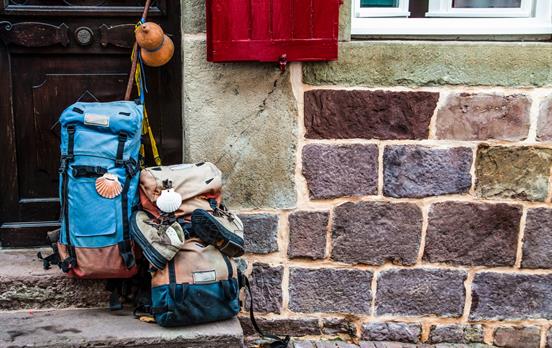
Packing right can make or break a long-distance walk. The golden rule on any Camino? Travel light. Your feet will thank you.
Typical Camino essentials include:
- Comfortable walking boots or trail shoes
- Lightweight walking clothing
- Waterproof jacket and rain cover
- Small daypack
- Refillable water bottle
- Hiking poles
- Blister care kit
- Sunscreen and hat
Many walkers choose to keep their pack light and use luggage transfer services, allowing them to walk with only a day bag. Luggage transfers come as standard with every Macs Adventure Camino trip.
For a complete packing checklist, read our guide on what to pack for a Camino hiking vacation >

Things to Do Along the Camino Portuguese Coastal Way & Central Way
The Camino Portuguese isn't just a walk - it's a tour through some of the most fascinating places in Portugal and northern Spain. Here's a taste of what's waiting for you along the way.
Explore Porto
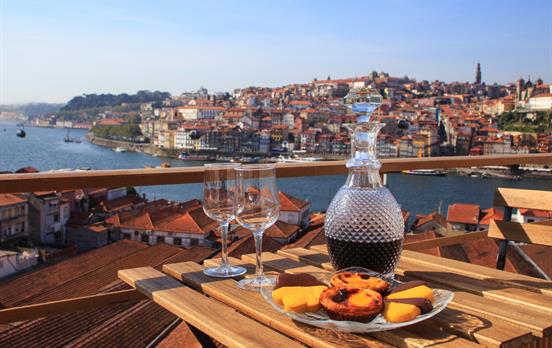
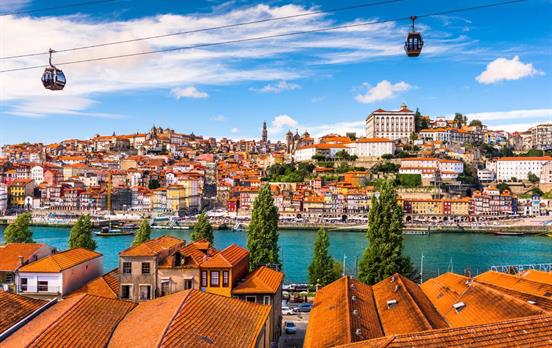
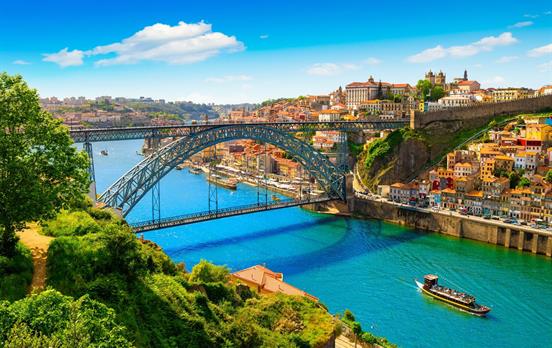
This UNESCO World Heritage city is the jumping-off point for both the Coastal Way and the later stages of the Central Way. Spend time exploring the Ribeira waterfront, cross the famous iron bridge, and take a boat trip to the wine lodges in Vila Nova de Gaia to try a glass of ruby port. Porto doesn't sit still - it's a city of color, music, and great food.
Discover Coimbra (Central Way)
Home to one of the oldest universities in Europe and a haunting Fado tradition all its own. Climb up to the university buildings for sweeping views over the city and treat yourself to a Pastel de Tentúgal - a local flaky pastry you won't find anywhere else.
Visit Tomar (Central Way)
A gem of a stop - a compact medieval town dominated by the extraordinary Convent of Christ, a UNESCO World Heritage Site with roots going back to the Knights Templar.
Walk Through Viana do Castelo (Coastal Way)
Sitting at the mouth of the Lima River, this is often named as one of the most beautiful towns in northern Portugal. Climb Santa Luzia hill for panoramic views, then explore the Romanesque cathedral and the town's elegant squares.
Discover Baiona (Coastal Way)
Where Columbus's ship, the Pinta, first brought news of the Americas in 1493. These days, it's a charming fishing port with a castle-turned-Parador perched above the bay - worth a very leisurely saunter.
Wander Pontevedra (Coastal Way)
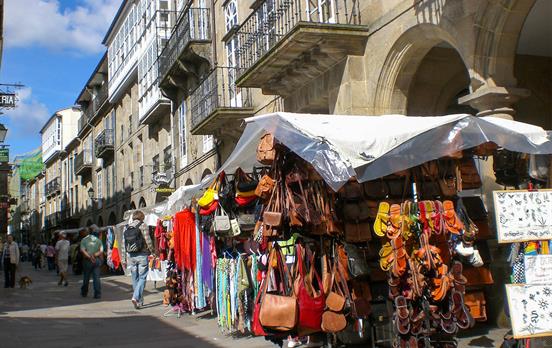
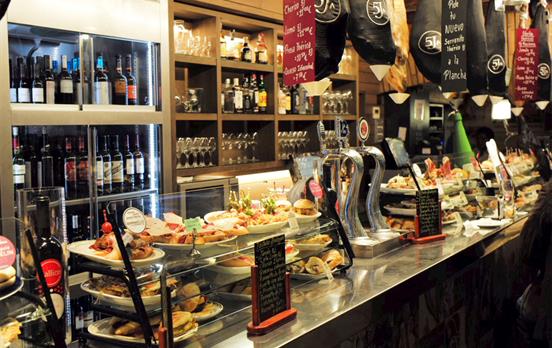
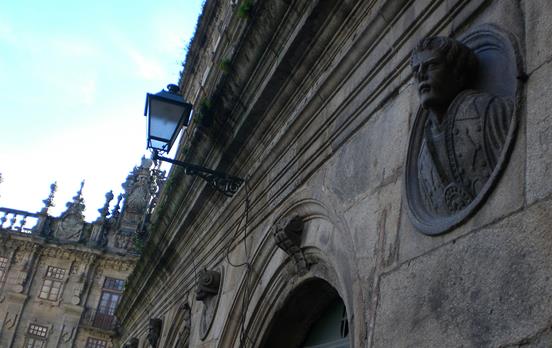
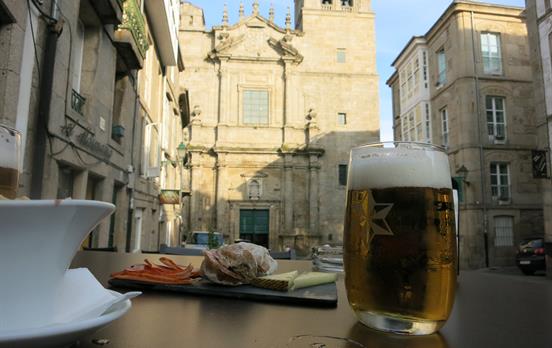
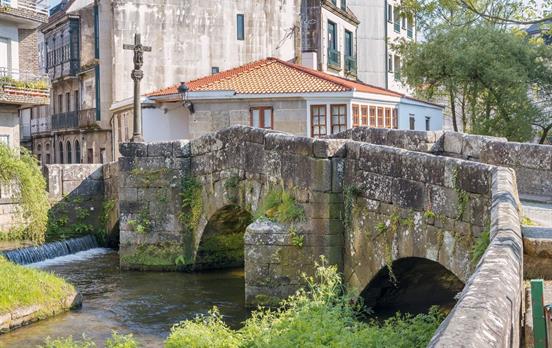
A lively Galician city with a beautifully preserved old town. Markets, tapas bars, ancient stone houses adorned with coats of arms - it's the kind of place that rewards aimless wandering.
Arrive in Santiago de Compostela
The end of the line, and worth every step. Give yourself at least a day to explore the old town, attend the Pilgrims' Mass at the cathedral, and soak up the atmosphere of the Plaza del Obradoiro. You've earned it.

What to Eat & Drink
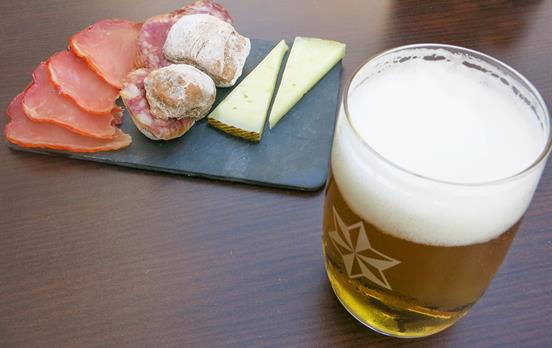
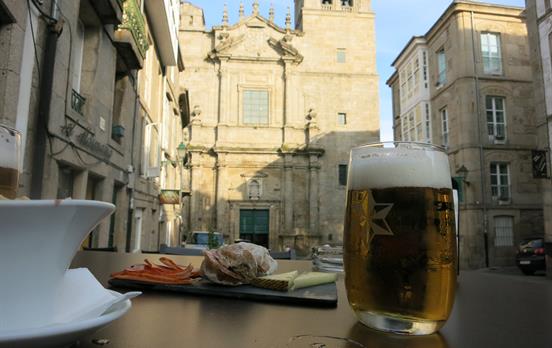
Portugal does food differently - and beautifully. Don't expect flash. Expect flavor, craft, and portions that leave you wondering how you'll manage tomorrow's walking stage.
Traditional Foods
Typical dishes you'll encounter along the way include:
- Pastel de Nata - the famous Portuguese custard tart, warm from the oven, dusted with cinnamon, eaten standing at a café counter
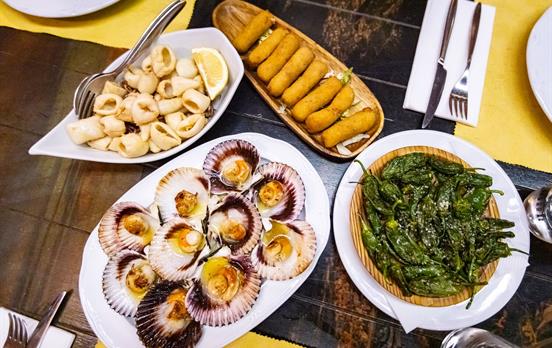
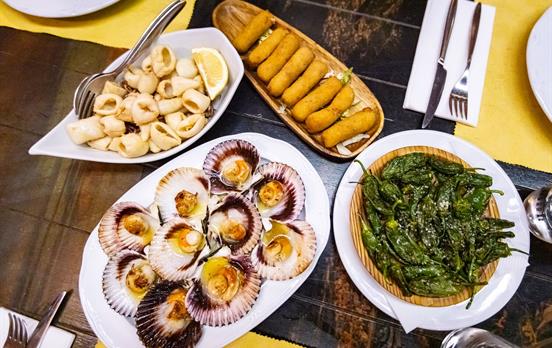
- Fresh seafood - grilled sardines, seafood rice (arroz de marisco), and salt cod (bacalhau) prepared in hundreds of ways
- Caldo Verde - a simple, deeply satisfying soup made with kale, potato, and sliced chouriço sausage
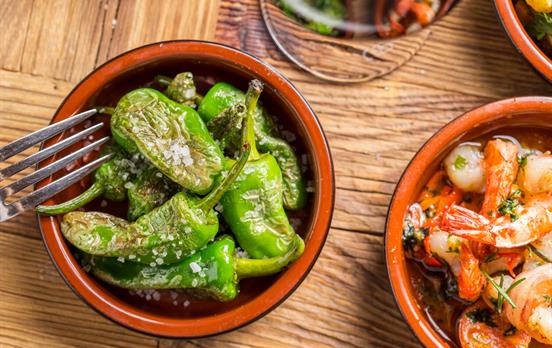
- Pimientos de Padrón - small green peppers chargrilled with sea salt, once you cross into Galicia; most are mild, some are fiery
- Empanadas - savory pastries filled with meat or seafood, a staple in Galicia
Pilgrims often enjoy a Menú del Peregrino - a hearty, affordable set menu that typically includes a starter, main, dessert, and a glass of wine or water. Widely available along both routes.
Drinks
- Vinho Verde - crisp, lightly sparkling "green wine" from northern Portugal; light, refreshing, and perfect with seafood
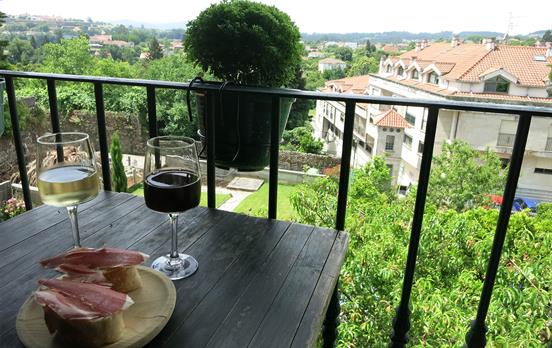
- Port - sit by the river in Porto, order a glass of ruby or tawny, and take a moment to appreciate just how good this is
- Albariño wine from Galicia
- Strong Portuguese and Spanish coffee for early starts
Food is an important social part of the Camino experience and a great way to connect with fellow pilgrims.

Types of Accommodations Along the Camino Portuguese
One of the best things about booking with Macs Adventure is that we sort all your accommodations for you in advance - so you're never racing to find a bed for the night.
Here's what to expect along the way.
Family-Run B&Bs & Pensiones
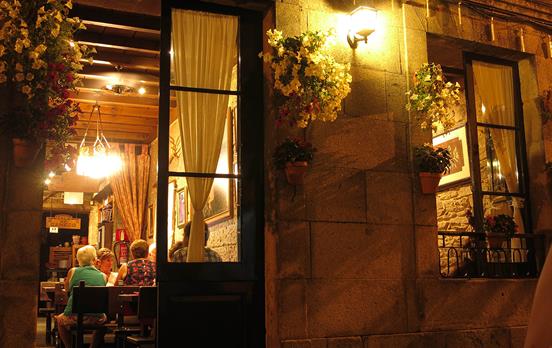
These make up much of the accommodations on both routes. Small, personal places - often with hosts who know the route well and are genuinely pleased to see you. Breakfast is usually included, though the spread varies from a full Portuguese feast to bread, cheese, and coffee.
Guesthouses & Casa Rurales
Particularly common on the Coastal Way, these are often converted farmhouses or traditional stone properties. The kind of place that has a garden and a dog and feels nothing like a chain hotel.
Hotels in Towns & Cities
In places like Porto, Viana do Castelo, and Pontevedra, you'll typically stay in a small hotel. These tend to have a bit more in the way of facilities, though the charm of the smaller spots is hard to beat.
With a Macs self-guided Camino, all accommodations are pre-booked in private rooms with private bathrooms - so there are no shared dorms, no scrambling for a bunk, and no hostel queues. Just a proper bed and a good night's rest.

Pilgrim Passport & Stamps on the Camino Portuguese
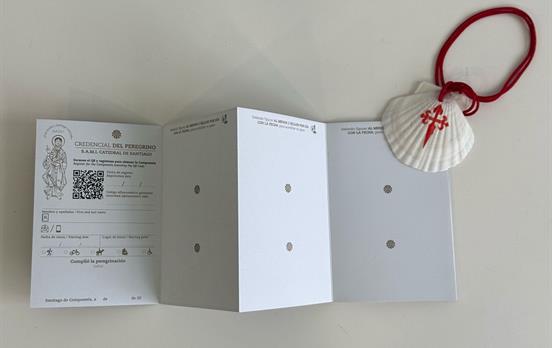
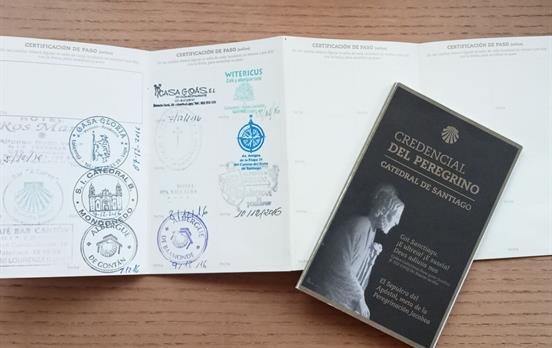
Collecting stamps in your pilgrim passport (Credencial del Peregrino) is a simple but meaningful part of walking the Camino Portuguese-whether you take the Coastal Way or the Central Way.
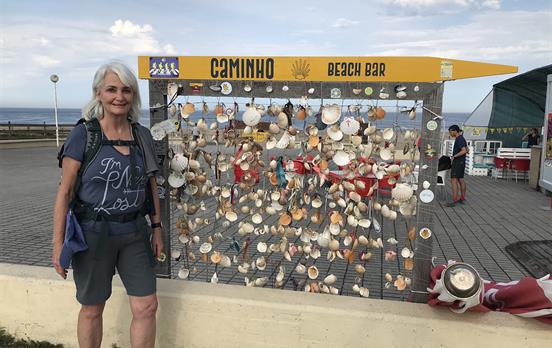
No need to pick up a passport before you start. When you book with Macs, we provide one for you and send it out with the rest of your trip notes. As you walk, you collect stamps (sellos) along the route from places like albergues, hotels, cafés, churches, and local shops-each one a small reminder of where you’ve been.
For most of the journey, aim for at least one stamp per day. However, for the final stretch into Santiago, required to receive your Compostela certificate, you’ll need two stamps per day:
- On the Central Way, this begins in Tui (around 115 km from Santiago)
- On the Coastal Way, start from Baiona (approx. 120 km) or Vigo (approx. 100 km)
It’s easy to collect them-just show your passport and ask:
“¿Un sello, por favor?” (Spain) or “Um carimbo, por favor?” (Portugal)
At the end of your walk in Santiago de Compostela, present your stamped passport at the Pilgrim Office. If you’ve walked the required distance and collected enough stamps, you’ll receive your Compostela certificate.
A final tip: don’t treat it like a checklist. Some of the most memorable stamps come from unexpected places (a tiny bakery, a beach bar, a family-run café), and together, they tell the story of your Camino far better than any map.

Helpful Phrases to Learn
Making an effort with a few words of Portuguese (and Spanish once you cross the border) goes a long way. Locals genuinely appreciate it - and it opens up conversations that a head nod never would.
A few to get you started:
Portuguese
- Bom Camino! - Have a good Camino! (You'll hear this constantly, and it never gets old.)
- Obrigado/Obrigada - Thank you (said by men/women respectively)
- Por favor - Please
- Onde fica...? - Where is...?
- Uma cerveja, por favor - A beer, please (essential)
- Quanto custa? - How much does it cost?
Spanish (for the Galician section)
- Buen Camino! - Have a good Camino!
- Gracias - Thank you
- Un menú de peregrino, por favor - A pilgrim's menu, please
- ¿Dónde está el albergue? - Where is the hostel?
For a more comprehensive list of useful phrases for the Camino - covering everything from asking directions to ordering food and dealing with minor emergencies - head over to our Essential Phrases for the Camino article.

The Camino Portuguese is one of Europe's great walking routes - and one of its most underrated. Whether you follow the Central Way through Lisbon, Coimbra, and Porto, or take to the wild Atlantic coast on the Coastal Way, you'll finish in Santiago with sore legs, a stamp-filled pilgrim's passport, and memories that stick around long after the blisters have healed.
It's a route that rewards people who slow down, talk to strangers, and let the walk take them where it will. The cities are extraordinary, the food is some of the best you'll eat anywhere in Europe, and the people you meet along the way - fellow pilgrims and locals alike - have a way of making the whole thing feel genuinely special.
If you're thinking about it, stop thinking and start planning. The Camino Portuguese is waiting.
Reasons to Book Your Camino Portuguese with Macs Adventure
We've been helping adventurers hike the Camino Portuguese since 2008, and hundreds of pilgrims set off with us every year. Here's why they keep choosing Macs.
Planning a Camino can feel overwhelming, but traveling with Macs Adventure makes it simple.
With a self-guided hiking vacation, you can focus on the journey while we take care of the logistics.
When you book with Macs Adventure, you’ll enjoy:
- Hand-picked accommodations with daily breakfasts
- Luggage transfers, so you only carry a daypack on the trail
- Easy-to-follow route info and navigation app
- Expert Camino specialists to help plan your trip
- 24/7 support while you’re traveling
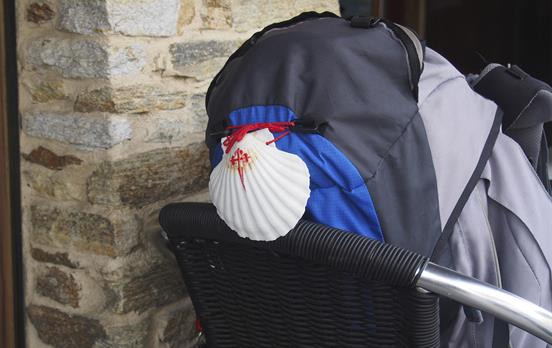
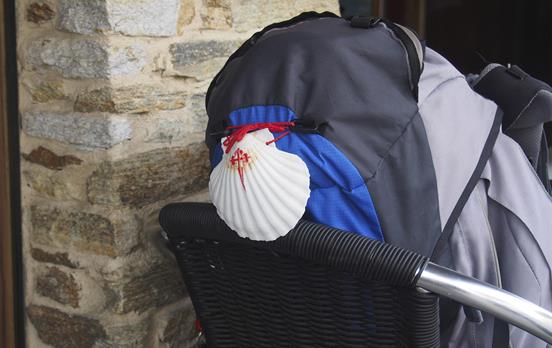
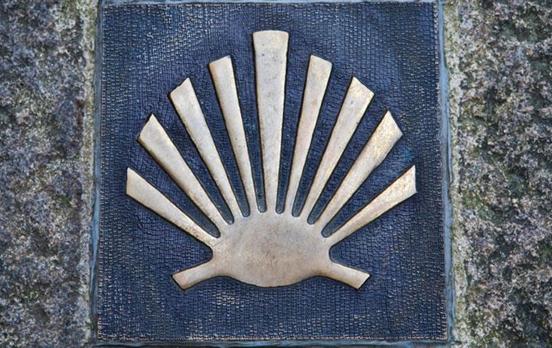
- Pilgrim passport and Camino shell included
All that’s left for you to do is lace up your boots, step onto the trail and enjoy the experience.

People Also Ask
- Ultimate Guide to the Camino de Santiago
Everything you need to know about routes, planning, and what to expect.
Read the ultimate Camino guide >
- What is a Camino?
A Camino is a long-distance pilgrimage journey, traditionally walked (or cycled), that follows historic routes leading to Santiago de Compostela in northwest Spain.
Learn more about the History of the Camino >
- Which Camino Is Right for Me?
Compare routes and find the Camino that best suits your pace, interests, and experience.
Find your Camino >
- What Should I Pack for My Camino Trip?
From footwear to essentials, pack smart and walk comfortably.
See the Camino packing list >
- Tips for Traveling to and From the Camino
Practical advice on flights, transfers, and route logistics.
Plan your journey >
- Essential Camino Phrases
Helpful Spanish phrases for pilgrims along the way.
Learn Camino phrases >
- How Fit Do I Need to Be to Walk a Camino Route?
Understand the physical demands and how to prepare.
Check Camino fitness levels >
- Camino FAQs
Clear answers to the most common Camino questions.
Read Camino FAQs >




















 Canada