



The Camino Primitivo - or the “Original Way” - is widely considered the oldest route of the Camino de Santiago. First walked in the 9th century by King Alfonso II of Asturias after the discovery of the tomb of St. James, it set the foundation for the pilgrimage routes that followed.
Today, the Camino Primitivo remains one of the most rewarding and authentic Camino routes. Starting in Oviedo in northern Spain and finishing at the iconic Cathedral of Santiago de Compostela, the route stretches roughly 200 miles (320km) across the lush mountains of Asturias and Galicia.
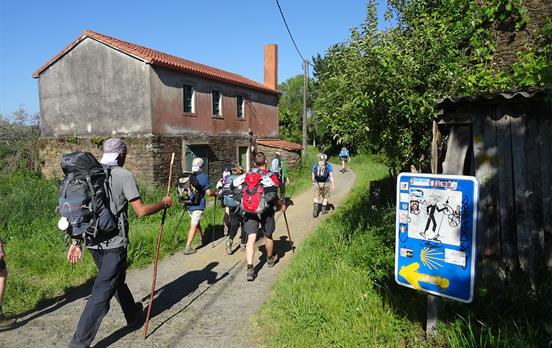
Compared to the more famous Camino Francés, the Primitivo is quieter, wilder and more physically demanding - but those willing to take on the challenge are rewarded with dramatic mountain scenery, traditional villages and a strong sense of pilgrimage heritage.

Best Time to Visit the Camino Primitivo
Best Time for Hiking
You can hike the Camino Primitivo anywhere between March and October, but the best time is between May and September, when the weather is generally mild, and mountain paths are more accessible.
- May–June: Fresh spring landscapes, quieter trails and pleasant temperatures.
- July–August: Warmest and most stable weather, but also the most popular months.
- September: Ideal conditions with fewer pilgrims and comfortable temperatures.
The route is less suitable in winter, when snow, rain and closed accommodations can make hiking difficult, so Macs Adventure doesn’t offer this route between November and February.
Optimal Weather Conditions
Northern Spain has a green Atlantic climate, meaning conditions can change quickly - particularly in the mountains of Asturias. Expect:
- Daytime temperatures typically between 59-77°F (15–25°C) in summer
- Frequent light rain or mist, especially in Galicia
- Cooler evenings and occasional fog at higher elevations
Even in summer, carrying waterproof layers is essential.

Difficulty and Terrain
The Camino Primitivo is often considered one of the most challenging Camino routes.
While it’s shorter than many Camino routes, the terrain includes:
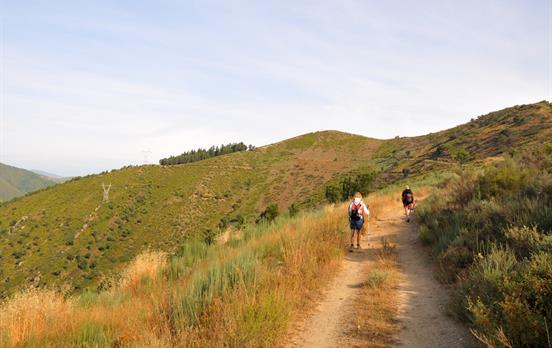
- Steep climbs and descents
- Mountain passes in the Cantabrian range
- Remote stretches with limited services
- Typical hiking distances of 20–30km per day
For hikers with a good level of fitness and experience of long-distance hiking, the challenge adds to the reward.
Highlights and Landscapes
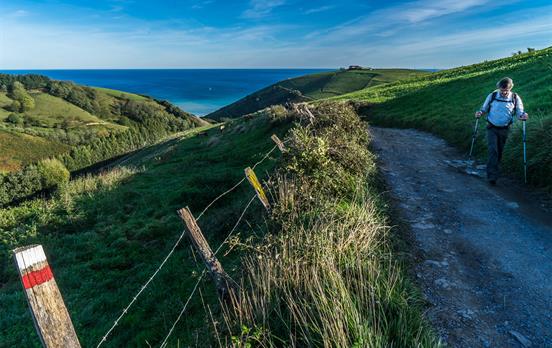
Despite its difficulty, the Camino Primitivo is loved for its dramatic scenery and sense of solitude. Highlights include:
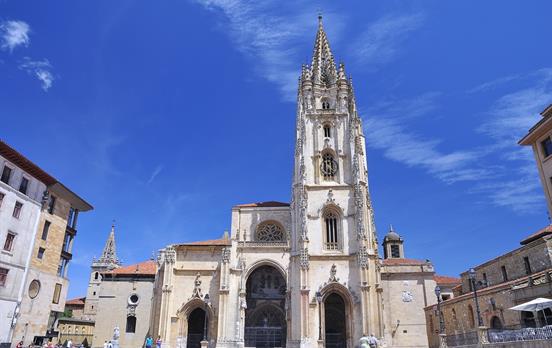
- The historic Cathedral of Oviedo
- Remote mountain crossings in Asturias
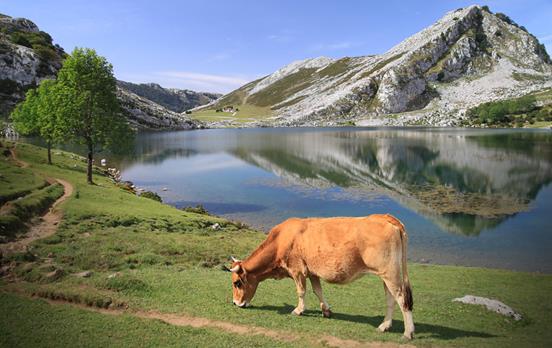
- The legendary Hospitales Route, offering sweeping alpine views
- The Roman city of Lugo, famous for its intact city walls
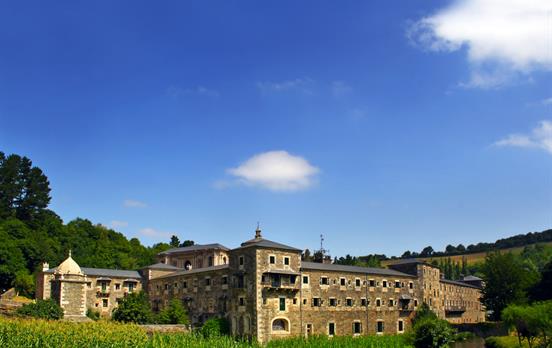
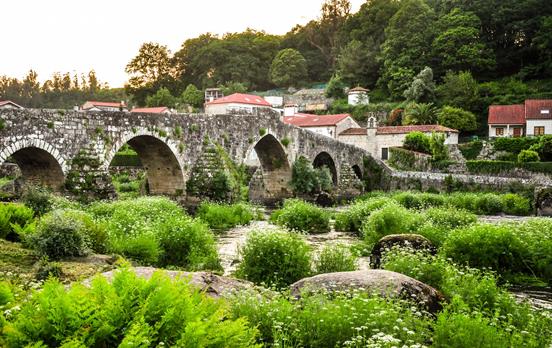
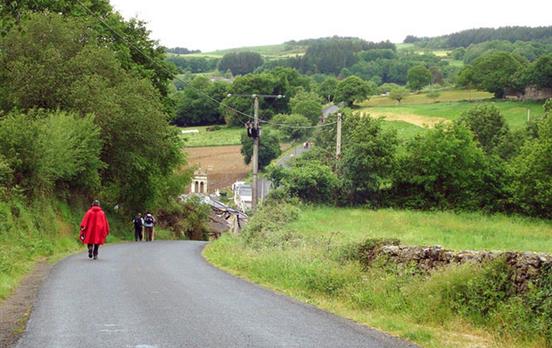
- Quiet Galician countryside dotted with stone villages
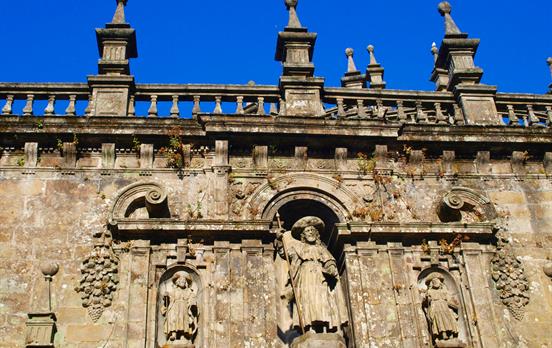
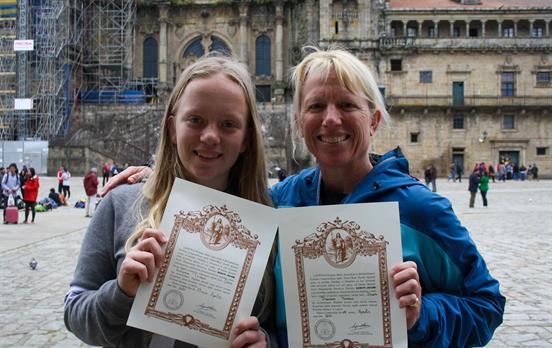
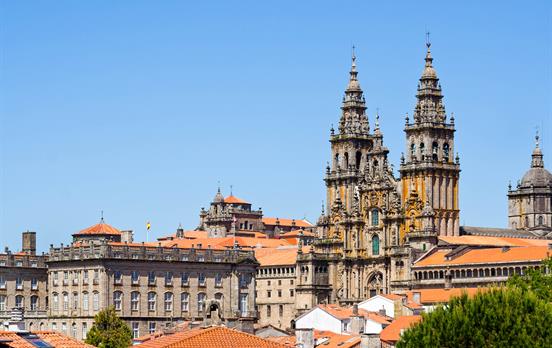
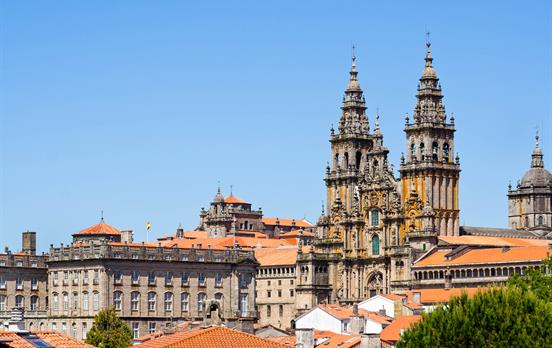
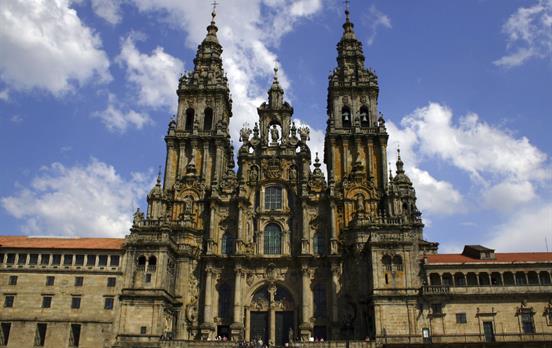
- The final arrival in to Santiago de Compostela
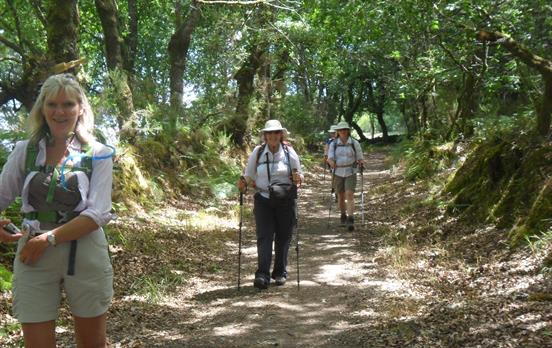
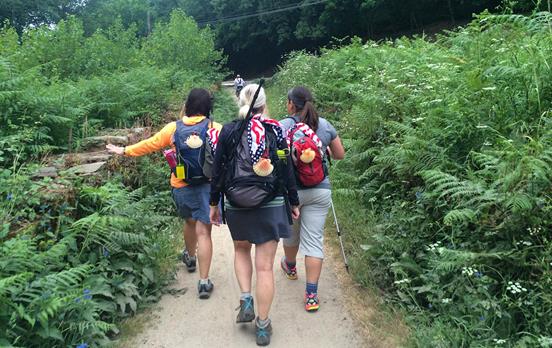
This route combines mountain landscapes, woodland trails, farmland and medieval towns.

How to Get to the Camino Primitivo
The Camino Primitivo begins in Oviedo, the capital of Spain’s Asturias region.
Travelers typically reach Oviedo by flying into one of the following airports:
- Asturias Airport (OVD) – around 45 minutes from Oviedo
- Madrid Airport (MAD) – then train or domestic flight
- Santiago de Compostela Airport (SCQ) – useful for return travel
From North America, the most common route is flying into Madrid or Barcelona, then connecting by train or short flight to Oviedo.
For detailed travel advice, including how to reach the start of the route and travel home from Santiago, check out our Camino Travel Guide, which explains the logistics step by step.
What to Pack for the Camino Primitivo
Packing well can make a huge difference to your comfort on the Camino. Because the Primitivo crosses mountainous terrain and experiences variable weather, it’s important to be prepared for both warm sunshine and rain.
Typical Camino essentials include:
- Comfortable hiking boots or trail shoes
- Lightweight hiking clothing
- Waterproof jacket and rain cover
- Small daypack
- Refillable water bottle
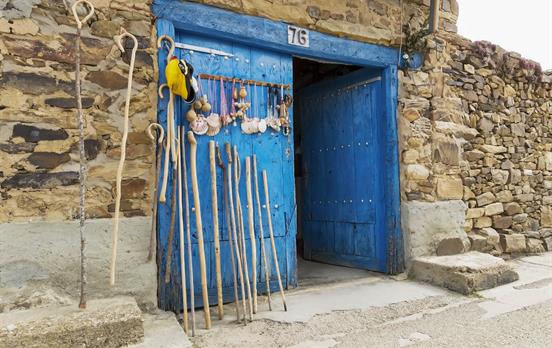
- Hiking poles
- Blister care kit
- Sunscreen and hat
Many hikers choose to keep their pack light and use luggage transfer services, allowing them to hike with only a day bag. Luggage transfers come as standard with every Macs Adventure Camino trip.
For a complete packing checklist, read our guide on what to pack for a Camino hiking vacation >

Things to Do Along the Camino Primitivo
Hiking the Camino is about more than simply reaching Santiago - it’s about enjoying the culture, history and landscapes along the way.
Some highlights include:
Explore Oviedo
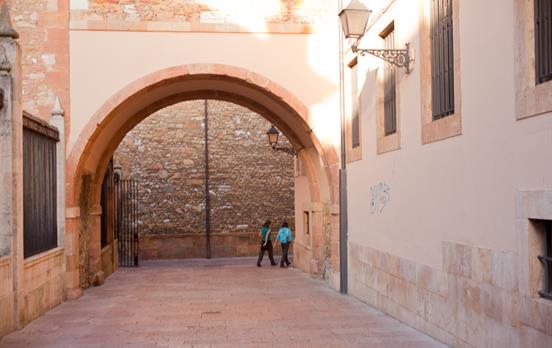
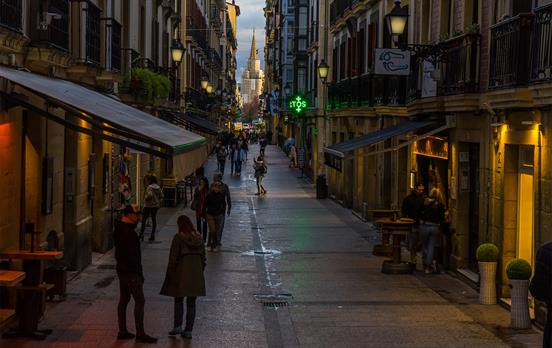
Before setting off, spend time exploring Oviedo’s historic old town, its impressive cathedral and traditional Asturian cider houses.
Visit Lugo’s Roman Walls
The city of Lugo is home to one of the best-preserved Roman defensive walls in Europe, now a UNESCO World Heritage Site.
Discover Asturian Mountain Villages
Remote villages like Pola de Allande and Grandas de Salime offer a glimpse into traditional rural life.

What to Eat and Drink
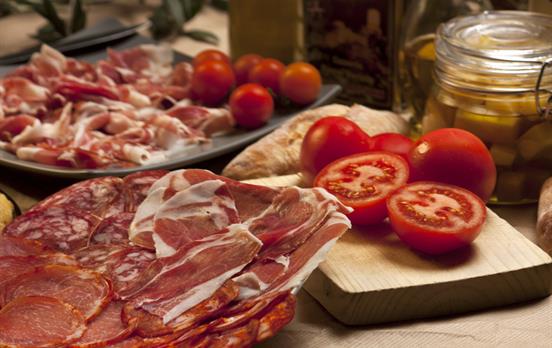
hiking the Camino is also a culinary journey through northern Spain.
Traditional Foods
Typical dishes you may encounter include:
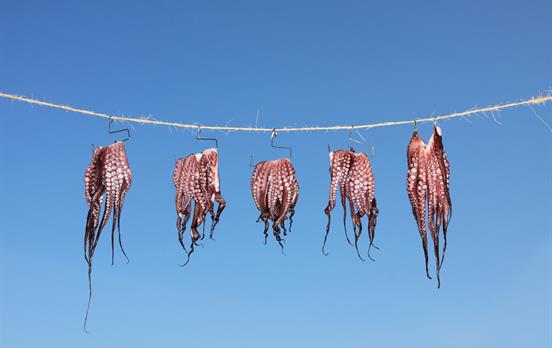
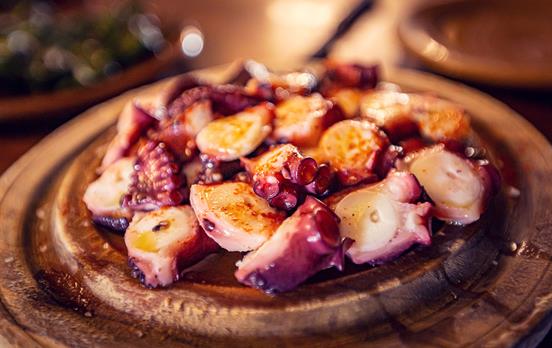
- Pulpo a la Gallega – Galician octopus with paprika and olive oil
- Fabada Asturiana – hearty Asturian bean stew
- Empanadas – savoury pastries filled with meat or seafood
- Tortilla Española – Spanish potato omelette
- Galician cheeses, often served with local bread
Pilgrims often enjoy a “Menu del Peregrino” - a fixed-price pilgrim meal offered by many restaurants.
Drinks
Asturian cider (sidra) – traditionally poured from height
- Albariño wine from Galicia
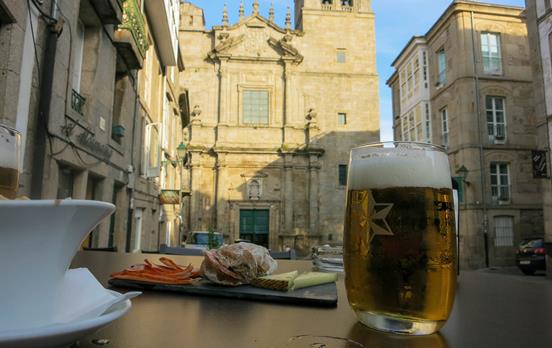
- Local craft beers
- Strong Spanish coffee for early starts
Food is an important social part of the Camino experience and a great way to connect with other hikers.

Types of Accommodations Along the Camino Primitivo
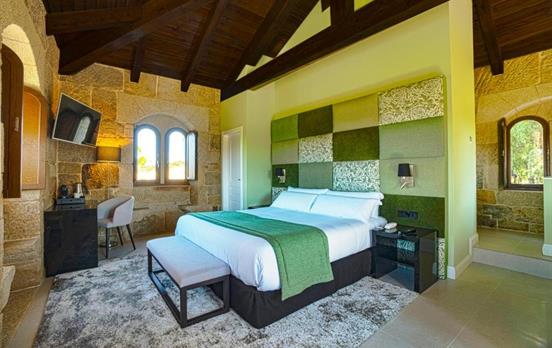
Accommodations on the Camino range from simple pilgrim hostels to comfortable guesthouses.
Albergues (Pilgrim Hostels)
These are the traditional accommodations for Camino hikers. They may be:
- Municipal albergues (run by local authorities)
- Private albergues with upgraded facilities
Macs only offers private, en suite rooms.
Guesthouses and Small Hotels
For those seeking more comfort and privacy, many towns offer:
- Rural guesthouses
- Boutique hotels
- Family-run pensions
With self-guided trips, accommodations are booked in advance, ensuring a comfortable place to rest each evening.

Helpful Phrases to Learn
Learning a few Spanish phrases can make your Camino experience even more enjoyable.
Useful phrases include:
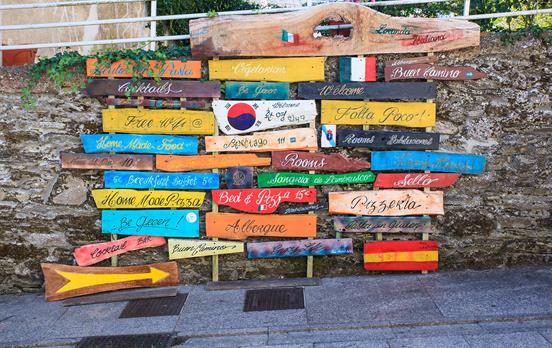
- Buen Camino – “Have a good Camino” (a common greeting among pilgrims)
- Por favor – Please
- Gracias – Thank you
- ¿Dónde está el albergue? – Where is the hostel?
- Un café, por favor – A coffee, please
- ¿Cuánto cuesta? – How much does it cost?
For a full list of helpful language tips, check out our guide to Essential Phrases for the Camino de Santiago.
Camino Primitivo vs Camino del Norte
Trying to decide between the Camino Primitivo and Camino del Norte? While both routes begin in northern Spain and eventually join before Santiago, they offer very different experiences.
- The Camino Primitivo is the older of the two routes and is known for its rugged mountain scenery, quieter trails and more demanding terrain. It's a great choice for experienced hikers looking for a physical challenge and a stronger sense of solitude.
- The Camino del Norte, meanwhile, follows Spain's spectacular northern coastline. While still challenging in places, it generally offers more frequent services, larger towns and stunning sea views throughout much of the journey.
Not sure which route is right for you? Read our guide to the Camino Primitivo vs Camino del Norte for a detailed comparison of the scenery, difficulty, accommodation, daily distances and who each route is best suited to.

The Camino Primitivo offers a powerful blend of history, challenge and natural beauty. As the oldest Camino route, it provides a deeper connection to the origins of the pilgrimage while delivering some of the most spectacular scenery in northern Spain.
While it may be more demanding than other Camino routes, it rewards hikers with quieter trails, authentic villages and unforgettable mountain landscapes.
For many pilgrims, the Camino Primitivo becomes not just a hike - but a transformative journey.
Reasons to Book Your Camino Primitivo with Macs Adventure
Planning a Camino can feel overwhelming, but traveling with Macs Adventure makes it simple.
With a self-guided hiking vacation, you can focus on the journey while we take care of the logistics.
When you book with Macs Adventure, you’ll enjoy:
- Hand-picked accommodations with daily breakfasts
- Luggage transfers, so you only carry a daypack on the trail
- Easy-to-follow route info and navigation app
- Expert Camino specialists to help plan your trip
- 24/7 support while you’re traveling
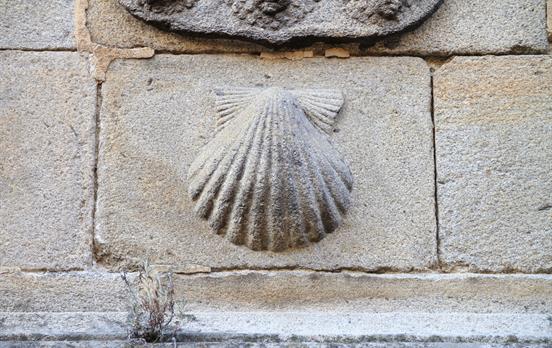
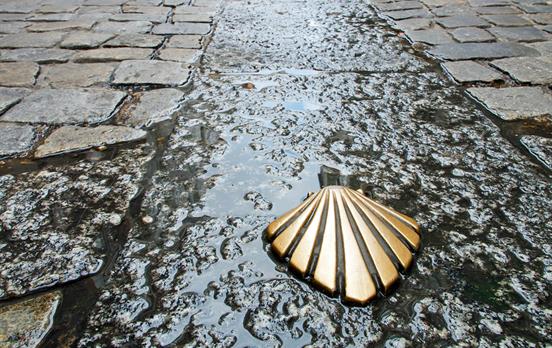
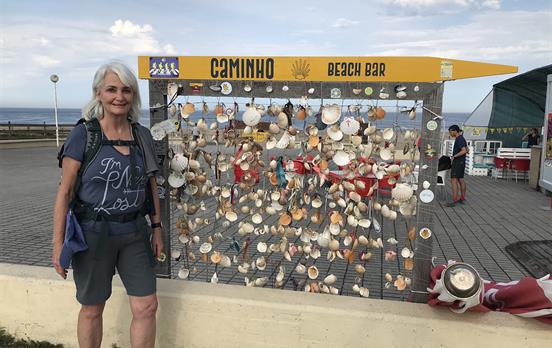
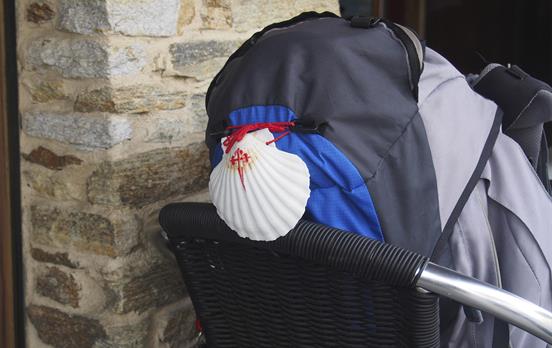
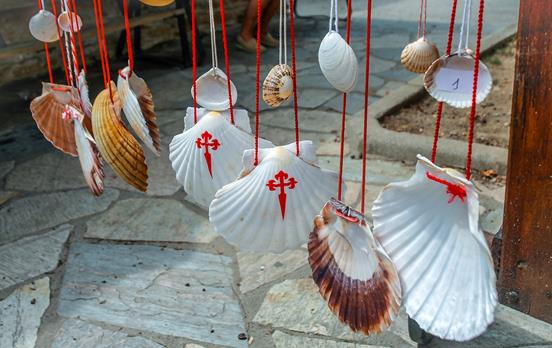
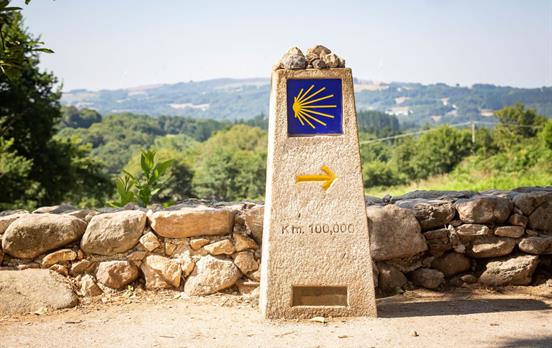
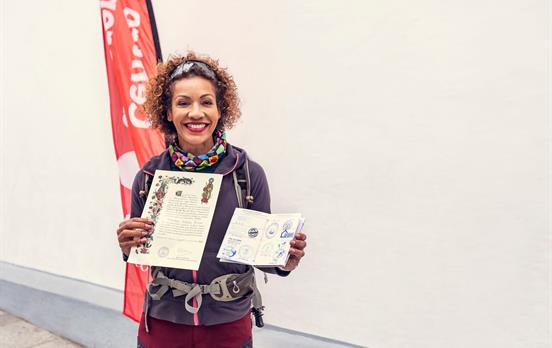
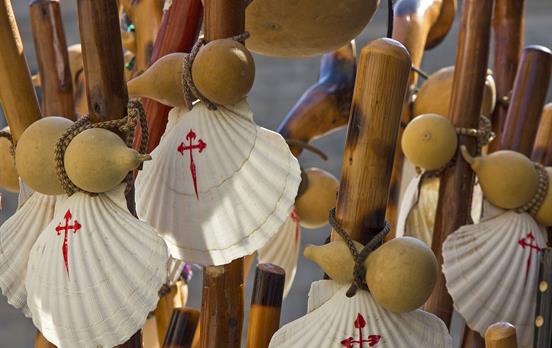
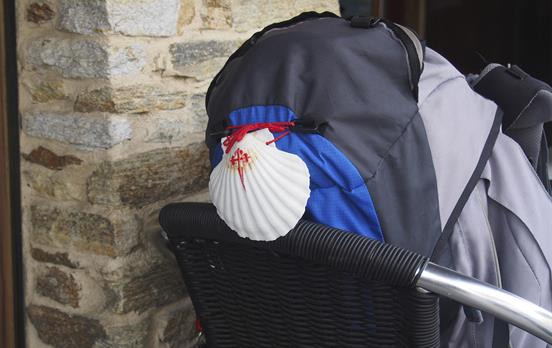
- Pilgrim passport and Camino shell included
All that’s left for you to do is lace up your boots, step onto the trail and enjoy the experience.
Buen Camino.

People Also Ask
- Ultimate Guide to the Camino de Santiago
Everything you need to know about routes, planning, and what to expect.
Read the ultimate Camino guide >
- What is a Camino?
A Camino is a long-distance pilgrimage journey, traditionally hiked (or cycled), that follows historic routes leading to Santiago de Compostela in northwest Spain.
Learn more about the History of the Camino >
- Which Camino Is Right for Me?
Compare routes and find the Camino that best suits your pace, interests, and experience.
Find your Camino >
- What Should I Pack for My Camino Trip?
From footwear to essentials, pack smart and hike comfortably.
See the Camino packing list >
- Tips for Traveling to and From the Camino
Practical advice on flights, transfers, and route logistics.
Plan your journey >
- Essential Camino Phrases
Helpful Spanish phrases for pilgrims along the way.
Learn Camino phrases >
- How Fit Do I need to be to hike a Camino Route?
Understand the physical demands and how to prepare.
Check Camino fitness levels >
Camino FAQs
Clear answers to the most common Camino questions.
Read Camino FAQs >


















 Canada