



Packing for the Tour du Mont Blanc (TMB) is all about balance. You need to be prepared for long days in the mountains, changing alpine weather, and multiple countries - without carrying more than you need. In fact, we’d suggest packing lighter than you think you need to.
It's also worth thinking about when your trip is. If it’s early or late in the season, you’ll definitely need warm accessories like gloves, a buff and a light down jacket. The overall theme here is layer, layer, layer!
This guide breaks down exactly what to pack for the Tour du Mont Blanc, helping you stay comfortable, safe, and organized every step of the way.

Footwear for the Tour du Mont Blanc
Your footwear is the single most important item you’ll pack.
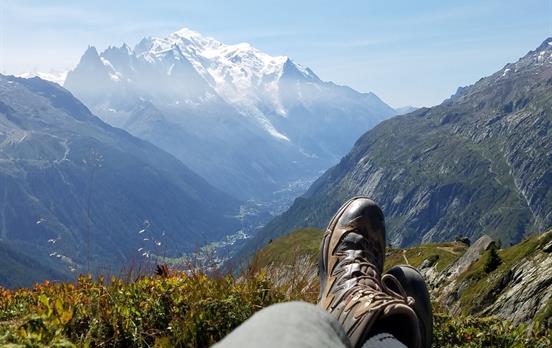
- Sturdy three-season hiking boots with good ankle support
- Fully broken in before your trip
- Suitable for rocky trails, steep ascents, and wet conditions
For off-trail comfort:
- Comfortable shoes for evenings in towns and villages
- Lightweight slip-on shoes or sandals if staying in mountain refuges
Walking Socks
Good socks are just as important as good boots.
- 2–3 pairs of high-quality walking socks
- Merino wool socks help regulate temperature and reduce blisters
- Socks can usually be hand-washed at accommodations

Clothing to Pack for the Tour du Mont Blanc
Weather in the Alps can change quickly, even in summer. Layering is essential.
Walking Clothing
- 3 × base layer tops (merino wool or technical fabric)
- 1–2 × warm mid-layers (fleece or insulated tops)
- 1–2 × pairs of hiking pants (zip-off styles are ideal)
- 1–2 × pairs of shorts (if not using zip-off pants)
Waterproof Layers
- Waterproof, breathable jacket (e.g. Gore-Tex)
- Waterproof rain pants
Warm Layers & Accessories
- Lightweight down or synthetic insulated jacket
- Warm hat
- Sun hat or cap
- Gloves
- Buff, snood, or neck gaiter
Evening & Sleepwear
- Lightweight casual clothes for evenings
- Nightwear and underwear
- Optional thermal leggings or “long johns” for cooler days

Bags & Rucksacks
Since our TMB itineraries include luggage transfers, you just need a backpack big enough for your daily trail essentials.
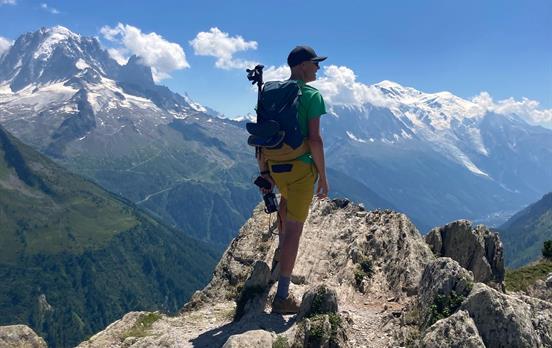
- Daypack (20–30L) for daily essentials
- Chest and waist straps for comfort and stability
- Waterproof backpack cover or liner
When it comes to your suitcase, make sure to follow the weight limits and restrictions given in your route notes, not those of your airline. Our luggage transfer partners put these limits in place for the safety of their staff. If your suitcase exceeds the weight limit, you may incur fines.
Essential Equipment
- Refillable water bottle or hydration system
- Hiking poles (strongly recommended on the TMB)
- Sunglasses
- High-factor sunscreen and SPF lip balm
- Energy snacks (around 2 per hiking day)
- Head torch and spare batteries
- Pocket knife or lightweight cutlery (useful for picnics)
- Dry bags or zip-lock bags for keeping items waterproof

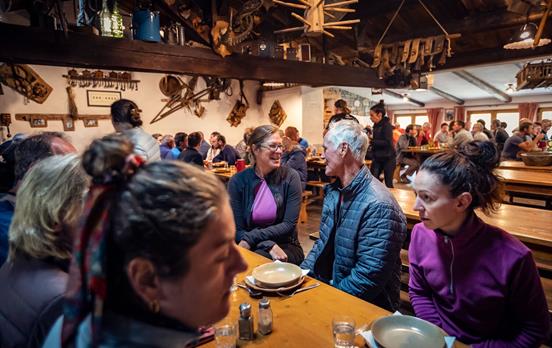
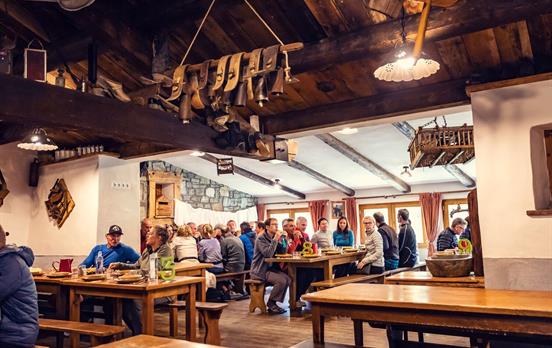
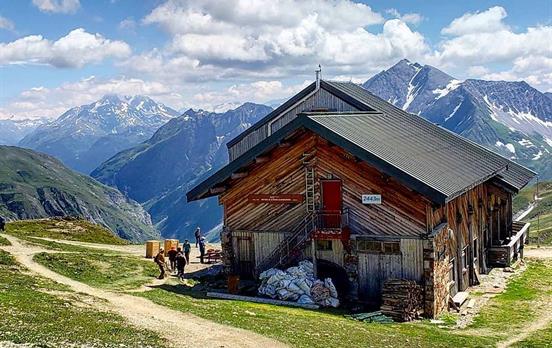
Staying in Mountain Refuges
If your itinerary includes refuges, you’ll also need:
- Lightweight sleeping sheet liner
- Small towel
- Earplugs (recommended for shared dorms)
- Blankets and pillows are usually provided.
Toiletries & Personal Items
- Toiletries (including toothbrush)
- Toilet paper or tissues
- Travel-size laundry detergent for handwashing clothes
- Insect repellent
- Antiseptic gel or wipes
First Aid & Health
A small personal kit is strongly advised for those ‘just in case' moments:
- Blister plasters
- Small first aid kit (dressings, antiseptic wipes, bandages)
- Prescribed medication
Navigation, Documents & Tech
- Passport (required for hotels and emergencies)
- Cash and cards (Euros and Swiss Francs)
- Phone, charger and powerbank
- Electrical socket adapter
Make sure you’ve:
- Installed and logged into the Macs Adventure app before departure
- Downloaded offline maps and route notes before you leave

Optional Extras
- Binoculars
- Book or Kindle
- Notebook and pen
- Money belt or secure pouch
Final Packing Tips for the Tour du Mont Blanc
- Pack for all weather, regardless of the forecast
- Keep your bag as light as possible - you’ll feel it on long climbs
- Waterproofs and sun protection are essential, even on clear days
- Always carry out all waste - leave no trace on the trail
Macs Adventure provides all the mapping and route guidance you’ll need, so once you’re packed, you can focus on enjoying one of Europe’s most iconic long-distance hikes.
If you’re still planning your Tour du Mont Blanc adventure or are unsure which itinerary is right for you, our team is happy to help.

People Also Ask
- Guide to hiking the Tour du Mont Blanc
Everything you need to plan your TMB adventure, from route options and highlights to daily distances and logistics.
Read our full guide to hiking the Tour du Mont Blanc > - Weather conditions on the TMB
Expect changeable alpine weather-warm valley days, cooler mountain passes, and the occasional surprise shower.
Learn more about weather conditions on the TMB > - How fit do I need to be to hike the TMB
A good level of fitness helps, as you’ll be walking 6–8 hours a day with regular ascents and descents.
Find out how fit you need to be for the TMB > - How to get to the start of the TMB
Most routes begin in Chamonix, which is easily reached via Geneva Airport and a straightforward transfer.
See our guide on how to get to the start of the TMB >
- What to eat and drink on the TMB
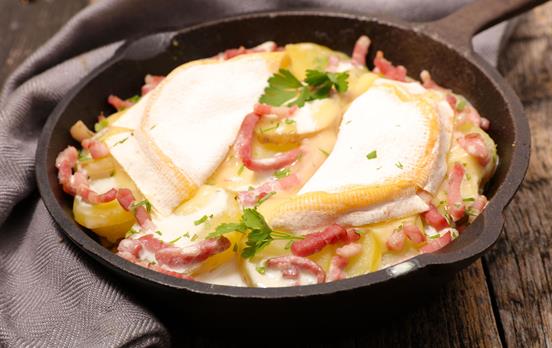
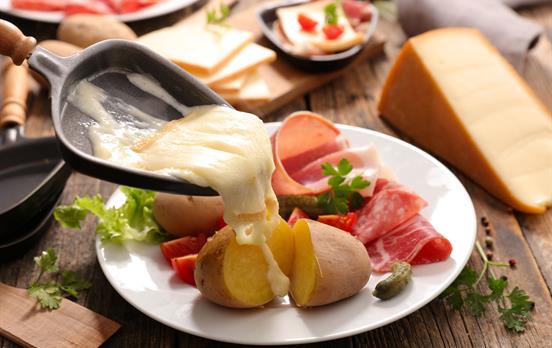
Refuel with hearty alpine meals, local cheeses, fresh bread, and the occasional well-earned beer or glass of wine.
Discover what to eat and drink on the TMB > - Top tips for walking the TMB
Start early, pace yourself, pack light, and don’t forget to look up-the views are kind of the point.
Read our top tips for walking the TMB >
- TMB FAQs
Got questions? From luggage transfers to route variations, our FAQs cover the details that make planning easier.
Browse our full TMB FAQs > - You’ve done the TMB, now what?
Once you’ve ticked off the TMB, there’s a whole world of long-distance trails waiting-think Alta Via routes or the Haute Route.
Explore where to go after the TMB > - TMB vs. Alta Via 1
Both offer spectacular alpine scenery, but the Alta Via 1 is quieter and more rugged, while the TMB is more social and well-established.
Compare the TMB vs. Alta Via 1 > - Mountain Hut guide – what’s it like to stay in a mountain hut
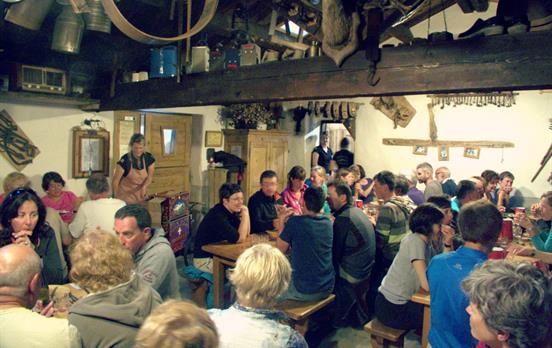
From shared dorms to communal dinners, here’s what to expect when staying in alpine mountain huts along the trail.
Read our full mountain hut guide >
















 Canada