



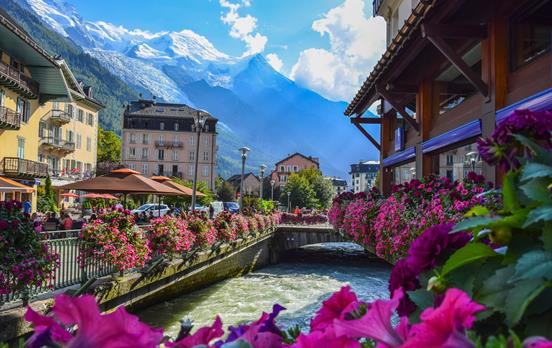
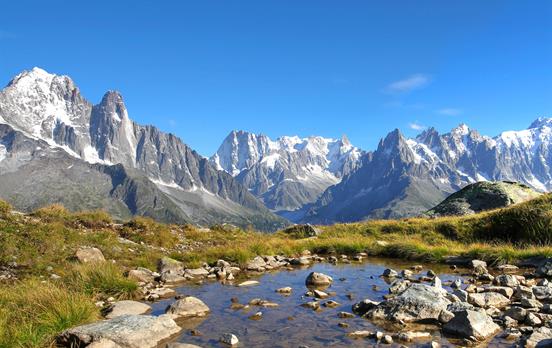
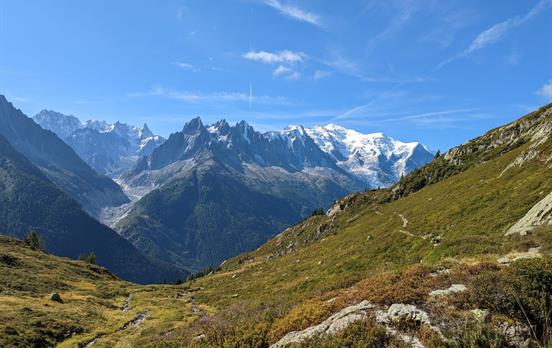
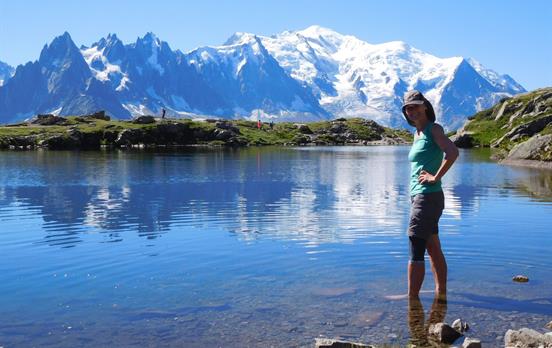
The Tour du Mont Blanc (TMB) is a dream hike for walkers around the world. Circling Western Europe’s highest peak, this legendary trail winds through France, Italy, and Switzerland, delivering jaw-dropping alpine scenery, rich cultural encounters, and a deeply rewarding sense of achievement.
Whether you’re a seasoned long-distance hiker or looking to take on your next big challenge, the TMB offers the perfect balance of adventure and comfort.
Not sure where to start? You’re in the right place. This complete guide covers everything you need to know about hiking the Tour du Mont Blanc - from when to go and how fit you need to be, to route options, packing tips, and what to expect on the trail. By the end, you’ll feel informed, confident, and ready to start planning.

What You’ll Find in This Guide
Read on to discover everything you need to know about hiking the Tour du Mont Blanc - from planning your trip to what to expect on the trail.
General
- When is the best time to hike the TMB?
- What are the best TMB hiking routes?
- Tour du Mont Blanc FAQs
- Interesting Facts about Mont Blanc
Traveling to the Tour du Mont Blanc
- How do I get to the start of the TMB?
- Top tips for hiking the TMB
- Do I need a passport on the Tour du Mont Blanc?
Planning Your Hike
- What should I pack for the Tour du Mont Blanc?
- How fit do I need to be to hike the TMB?
- What are mountain huts like?
- Food and drink along the route
- Useful Phrases to learn
Looking Ahead
Booking your TMB trip

Best Time to Hike the Tour du Mont Blanc
Timing plays a huge role in your TMB experience. Due to its high alpine terrain, the hiking season is relatively short.
Summer (July to September)
For self-guided hikers, summer is the only viable window to hike the Tour du Mont Blanc. By July, most snow has melted from the higher passes, mountain huts are open, and trails are well marked.
Expect:
- Daytime temperatures around 59–77°F (15–25°C)
- Cooler evenings, especially at altitude
- Long daylight hours ideal for hiking
This is also the most popular time to walk the route, so early planning is key.
Pro tip: Weather in the Alps can change quickly. Always check local forecasts and be prepared for sudden storms, especially in the afternoons.
For more details, check out our TMB weather guide >

Best TMB Hiking Routes
One of the greatest things about the Tour du Mont Blanc is its flexibility. With multiple itinerary options, you can choose a route that suits your timeframe, comfort level, and hiking style.
It’s worth noting: every Tour du Mont Blanc route continues to grow in popularity year after year. If you have your heart set on a particular itinerary, starting your planning early gives you the widest choice of dates, route variations, and accommodations.
Complete Tour du Mont Blanc in Huts
Walk the full circuit through France, Switzerland, and Italy on this classic TMB experience. With carefully planned stages, traditional mountain huts, and spectacular scenery every day, this itinerary is ideal for hikers who want the authentic alpine experience.
With Macs Adventure, you’ll receive detailed route notes, GPS navigation via our app, and luggage transfers - so you can focus on the trail, not the logistics.
Discover our Complete TMB in Huts self-guided trip >

Highlights of the Tour du Mont Blanc in Comfort
Short on time but still want the magic of the TMB? This highlights itinerary showcases the most scenic sections of the route over fewer days, with nights spent in comfortable hotels and huts offering private rooms where available.
It’s a great option for those seeking a balance of adventure and comfort.
Discover our Highlights of the TMB in Comfort self-guided trip >
Complete Tour du Mont Blanc in Huts (Extended)
This extended version of the classic route allows for a more relaxed pace, with an added rest day in Courmayeur — the perfect chance to explore, refuel, and soak up Italian mountain culture.
Ideal if you want to fully immerse yourself in the journey without feeling rushed.
Discover our Complete TMB in Huts (Extended) self-guided trip >
Macs Adventure makes it easy to experience the Tour du Mont Blanc your way, with self-guided options designed to match different abilities, schedules, and comfort preferences.

How Fit Do I Need to Be to Hike the TMB?
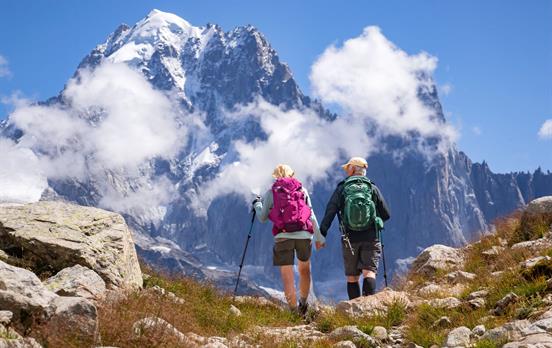
You don’t need to be an elite athlete to hike the Tour du Mont Blanc - but a good level of fitness and preparation will make the experience far more enjoyable.
Daily Distance
Most days involve walking 7–15 miles (11–24 km), depending on your itinerary.
Elevation Gain
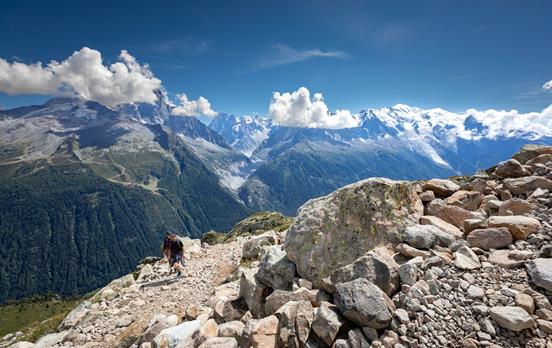
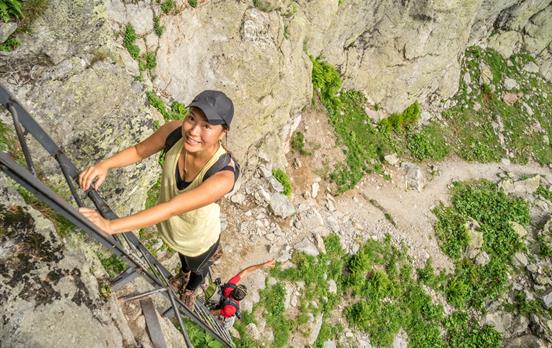
Expect regular ascents and descents on rugged alpine terrain, with some days climbing up to 1,500 m (4,921 ft).
Training Tips
Build endurance with regular hikes on hilly terrain, ideally carrying a loaded daypack. Strengthening your legs and core - and breaking in your boots well in advance - will pay off on the trail.
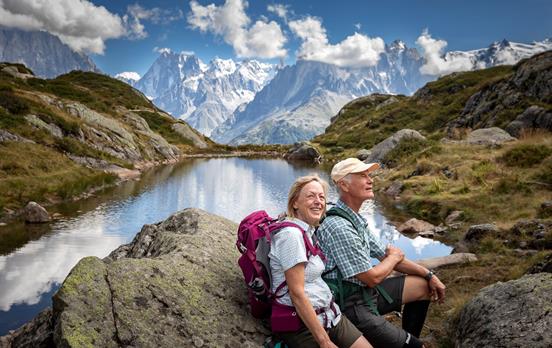
Good news: With proper preparation, the TMB is absolutely achievable for older hikers, too. Age is far less important than fitness, pacing, and confidence.
For more details, read our How Fit Do I Need to Be to Hike the TMB guide >

How to Get to the Start of the TMB
Most TMB trips begin and end in Les Houches or Chamonix, with some shorter itineraries finishing in Courmayeur.
By Air
Fly from the U.S. to Geneva Airport (GVA), with direct flights available from New York (JFK) and Washington D.C. (IAD). From Geneva, it’s around 1.5 hours by shuttle to Chamonix.
By Train
If you’re already in Europe, train connections link major cities with Chamonix and Courmayeur. You can also plan a flight-free journey with help from our partners at Byway Travel.
For a full breakdown, see our guide on how to get to the start of the TMB >

Do I Need My Passport on the Tour du Mont Blanc?
It’s a fair question - after all, the Tour du Mont Blanc crosses France, Italy, and Switzerland. The good news is that there are no formal border controls along the trail, as all three countries are part of the Schengen Area.
That said, we strongly recommend carrying your passport with you while hiking.
Not for border crossings - but for practical reasons. If you need medical assistance or a hospital visit, your passport is often the first form of identification requested. You’ll also need it when checking into hotels and accommodations along the route.
Our advice:
Keep your passport with you during your hike, stored safely in a waterproof pouch. It’s best thought of as essential identification rather than a travel document you’ll be asked to show at borders.

What to Pack for a TMB Hiking Trip
Packing smart is essential - especially when hiking in the mountains.
Clothing
- Lightweight, moisture-wicking layers
- Insulated jacket for cooler conditions
- Waterproof jacket and pants
- Sturdy, well-broken-in hiking boots
- Warm accessories: hat, buff, gloves
- Comfortable hiking socks (bring spares)
Gear
- Daypack (20–30L)
- Trekking poles (highly recommended)
- Mobile phone for navigation via the Macs app
- Refillable water bottles or hydration pack
- Sunglasses, hat, and sunscreen
Extras
- Trail snacks
- Power bank
- Basic first aid kit
With Macs Adventure, luggage transfers are included, allowing you to hike with just a daypack.
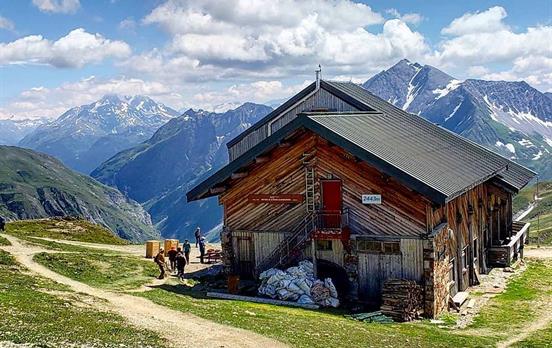
Note: Bags can’t be transferred to Rifugio Bonatti due to its location. You’ll carry overnight essentials on these days and be reunited with your main luggage the following day.
See our complete TMB packing list >

Staying in Mountain Huts
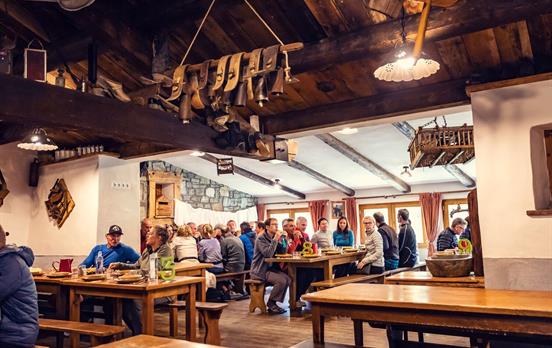
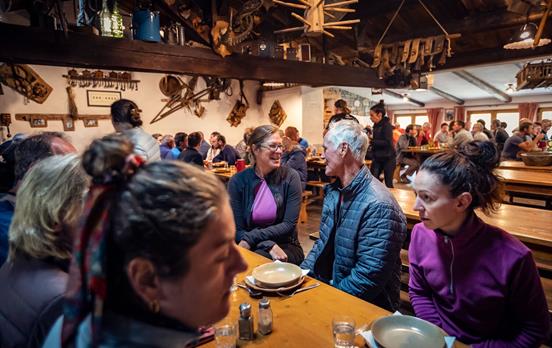
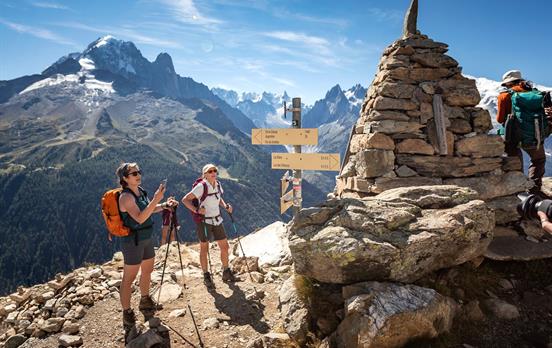
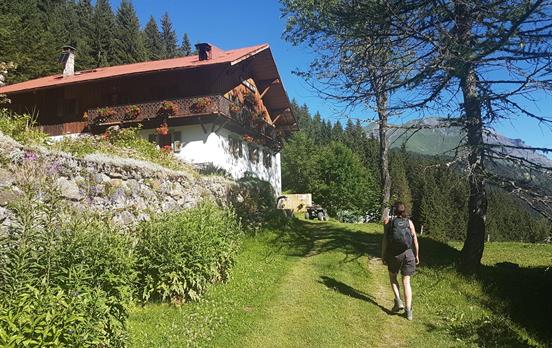
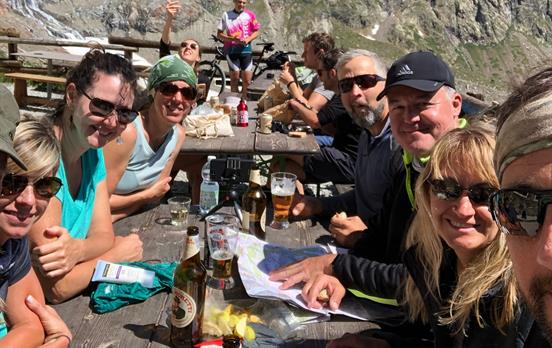
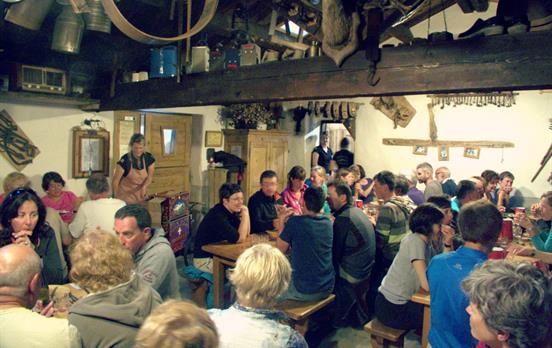
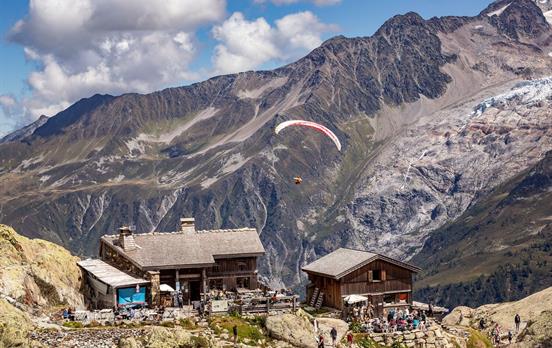
Mountain huts (or refuges) are a core part of the TMB experience. These welcoming alpine accommodations offer hearty meals, shared dining spaces, and unforgettable mountain views - plus a great sense of camaraderie with fellow hikers.
They’re simple, social, and full of character.
Learn more in our Mountain Hut Guide >

What to Eat & Drink on the TMB
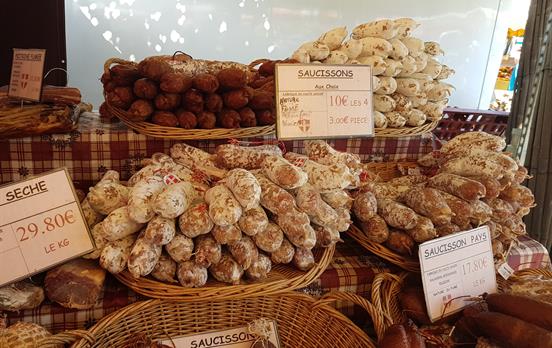
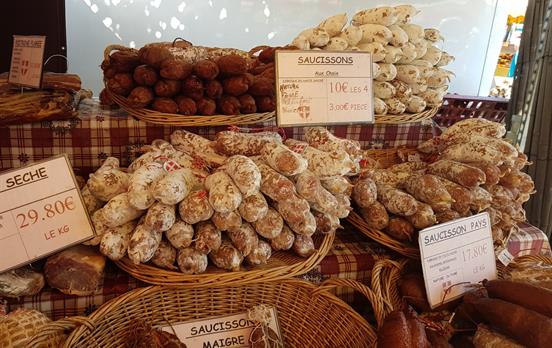
Food is one of the unexpected highlights of the Tour du Mont Blanc.
Stay Refreshed
Natural water fountains are common along the trail and generally safe to drink from. For peace of mind, a filtration bottle can be useful.
Alpine Refuges & Cafés
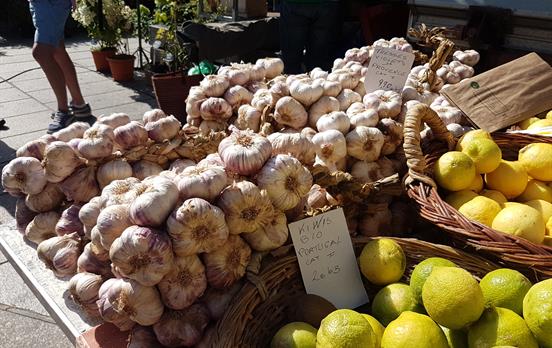
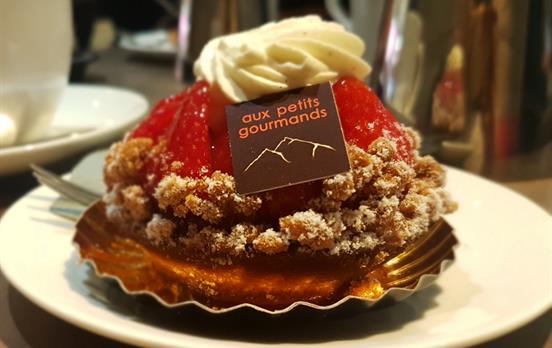
Enjoy filling mountain meals at refuges, or stop in villages for pastries, cheese, and espresso.
Don’t Miss
- Raclette in Switzerland
- Polenta and cured meats in Italy
- Tartiflette in France
Explore our What to Eat & Drink on the TMB guide >

Top Tips for Hiking the TMB
- Start early to make the most of daylight and clearer weather
- Plan your trip well in advance to secure your preferred dates and route options
- Respect the environment - stick to marked trails and carry out all waste
Read more TMB top tips >

FAQs About the TMB
How many days does it take to hike the TMB?
The full circuit typically takes 12 days, though shorter and extended options are available.
Can I hike the TMB solo?
Yes, for experienced hikers. Solo bookings require speaking with one of our adventure experts.
Is the TMB family-friendly?
With preparation and shorter itineraries, older children and teens can enjoy sections of the trail.
Discover more TMB FAQs >

You’ve Tackled the TMB - What’s Next?
Completing the Tour du Mont Blanc is a huge achievement - and for many hikers, it’s just the beginning of a deeper love affair with the Alps. If you’re already wondering where next?, there’s a whole world of unforgettable long-distance routes waiting to be explored.
If you loved the sense of journey, big mountain scenery, and cultural variety of the TMB, these Alpine and European classics could be your next great adventure:
- Alta Via Routes – For hikers craving a more rugged, high-alpine feel, Italy’s Alta Via trails deliver remote scenery and a true mountain immersion. Read our Alta Via vs. TMB comparison guide >
- Walker’s Haute Route – A legendary high-alpine trek from Chamonix to Zermatt, crossing dramatic mountain passes with constant views of glaciers and iconic peaks.
- High Trail to the Matterhorn – A sensational route linking Mont Blanc to the Matterhorn, combining Alpine villages, lofty viewpoints, and two of Europe’s most famous mountains.
- E5 Alpine Crossing – A classic north-to-south crossing of the Alps, starting in Germany and finishing in Italy, with ever-changing landscapes and a real sense of progression.
Each of these routes offers its own distinct character - whether that’s high-alpine drama, cultural depth, or a more relaxed mountain rhythm - making them ideal next steps after the Tour du Mont Blanc.
Ready for your next Alpine challenge? Discover the full collection of hiking routes to explore after the Tour du Mont Blanc >

Fascinating Facts About Mont Blanc
- Mont Blanc stands at 4,809 m (15,780 ft) - the highest peak in Western Europe
- The massif sits at the crossroads of French, Italian, and Swiss cultures, shaping the region’s unique identity
Discover more Mont Blanc facts >

Useful Phrases for the TMB
A few friendly greetings go a long way:
French (France & parts of Switzerland)
- Bonjour! – Hello
- Bonsoir! – Good evening
- Merci – Thank you
- S’il vous plaît – Please
- Au revoir – Goodbye
Italian (Italy)
- Ciao! – Hello / Goodbye
- Buongiorno! – Good morning
- Grazie – Thank you
- Per favore – Please
- Arrivederci – Goodbye
Swiss German (Switzerland)
- Grüezi! – Hello
- Danke – Thank you
- Bitte – Please / You’re welcome
- Adieu – Goodbye
Even a simple greeting or “thank you” is always appreciated - and often met with a smile on the trail.

Why Choose Macs Adventure for Your TMB Hike?
At Macs Adventure, we specialize in expertly planned self-guided adventures. With detailed route notes, GPS navigation, luggage transfers, and 24/7 on-the-ground support, you can focus on the joy of hiking - not the logistics.
Explore our Tour du Mont Blanc self-guided trips and start planning your alpine adventure today.






















 Canada