



If you’re planning a hiking vacation in the Alps, especially something like the Tour du Mont Blanc, you’ll likely spend at least one night in an alpine mountain hut.
And if you haven’t done it before, you might be wondering what that actually looks like. Shared rooms? Set mealtimes? How basic are we talking?
The reality sits somewhere between rustic and surprisingly comfy. Mountain huts offer a warm welcome, hearty food, and a place to rest in some of the most spectacular settings in Europe.
Here’s what it’s really like-and why it’s something you’ll likely end up loving.

What Is a Mountain Hut? (Rifugio vs. Refuge explained)
Let’s clear this up first.
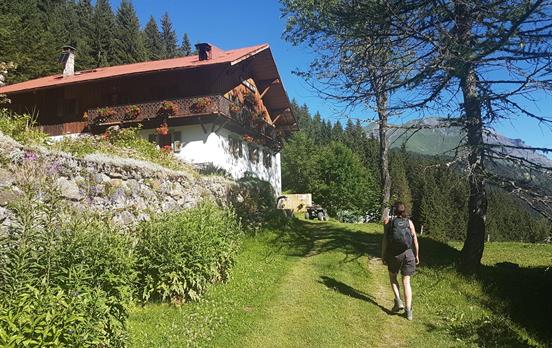
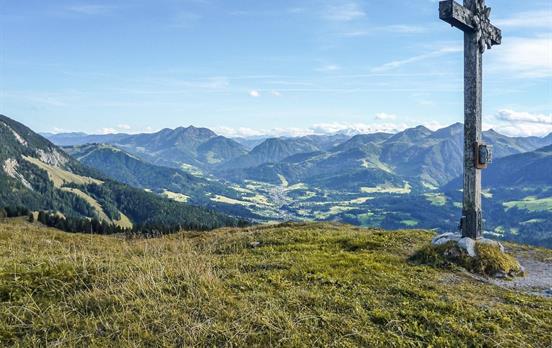
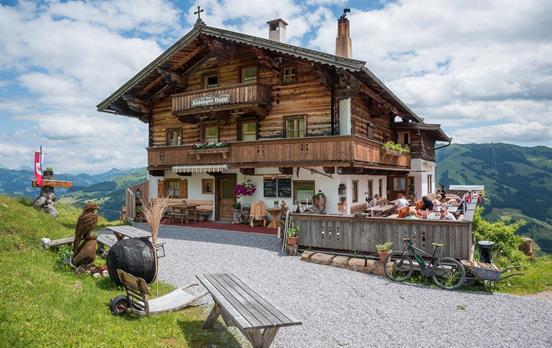
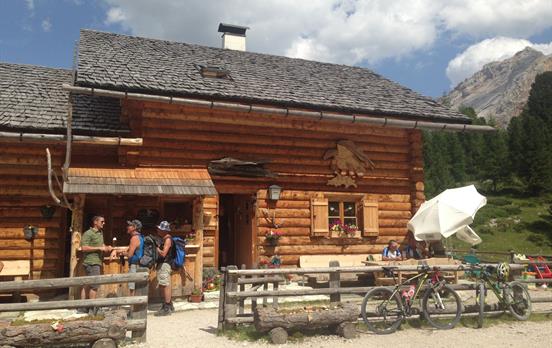
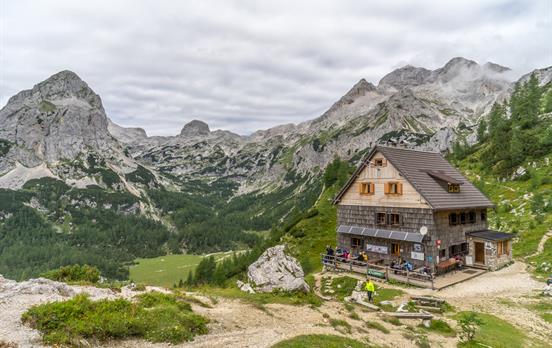
Alpine mountain huts are simple, remote accommodations designed for hikers and mountaineers. Found high in alpine regions, they provide food, a bed, and shelter-often far from roads or towns.
You’ll hear different names depending on where you are:
- Rifugio (Italy): A more basic experience, sometimes family-run, and well known for excellent food (Italians don’t mess around here).
- Refuge (France): Similar concept, usually simple but welcoming, often with a strong communal atmosphere.
- Mountain hut (Switzerland, Austria): A broad term covering similar styles of accommodation
What’s the difference?
In practice, not much. Facilities and comfort levels vary more from hut to hut than by name. But wherever you are, the essentials remain the same: a place to eat, sleep, and recharge mid-journey.

Mountain Hut Culture: What to Expect
Mountain hut culture is its own little world, and it works beautifully once you understand the rhythm.
At its heart, it’s about simplicity, respect, and shared experience.
A few unwritten (and sometimes very written) rules:
- Arrive in the afternoon – Most hikers roll in between 3–5 pm. Early enough for a drink, late enough to feel you’ve earned it.
- Leave your boots at the door – You’ll usually swap into hut slippers (usually provided) or your own sandals.
- Respect shared spaces – You’ll be living closely with other hikers, and space is limited.
- Lights out means lights out – Early nights are part of the deal. Lights out is often not long after dinner. Tomorrow’s another walking day.
The atmosphere is friendly and informal but built on mutual respect. Everyone’s there for the same reason: to enjoy the mountains.

Dining in Mountain Huts: Food, Drink & Atmosphere
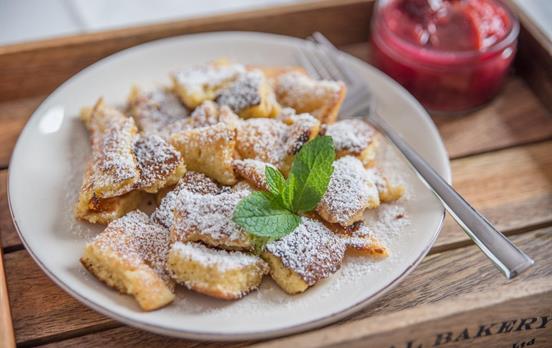
If you’re imagining basic rations, think again. Food in mountain huts is often one of the biggest surprises, in the best way.
Dinner
Most huts offer a set evening meal, which typically includes:
- A starter (often soup or salad)
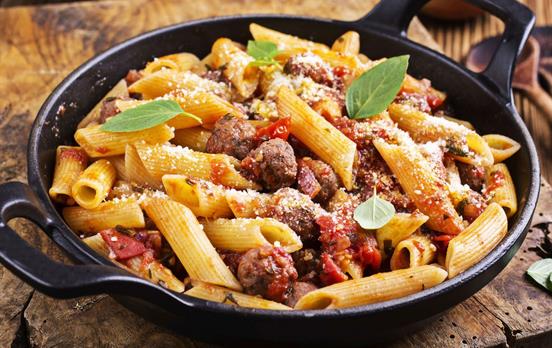
- A main course such as pasta, meat, or a hearty regional dish
- Dessert
Meals are filling, warming, and well-earned after a day on the trail.
Breakfast
Breakfast is early, allowing hikers to get back on the trail.
- Bread, butter, jam
- Coffee or tea
- Sometimes cheese or cold meats
Drinks
Many huts serve:
- Beer and wine
- Soft drinks
- Tea and coffee
Seating & Social Side
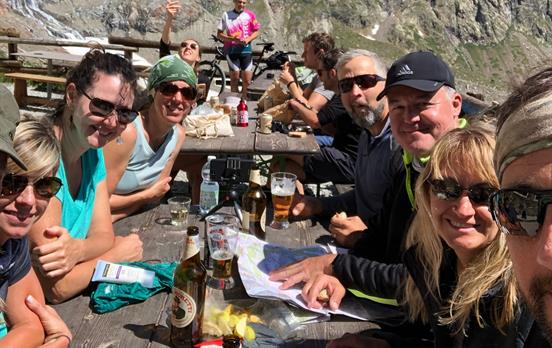
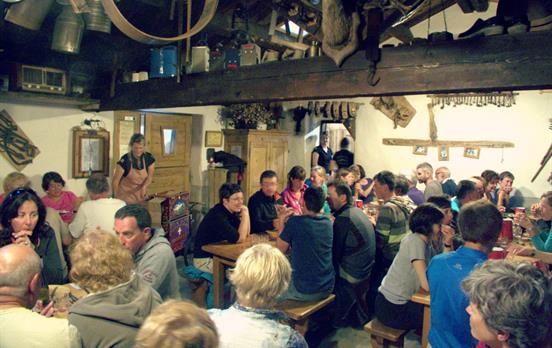
You’ll usually sit at long communal tables, which means:
- You’ll meet people from all over the world
- Conversations come easily (even if you start with “Where did you walk from today?”)
- Solo travelers are never really solo for long
This is where the magic happens-shared stories, route tips, and the quiet camaraderie of people doing something a little bit special.

Sleeping in a Mountain Hut
Sleeping arrangements are dormitory-style and pretty cozy.
What to Expect
- Shared rooms with bunk beds or mattresses (anywhere from 4 to 20 people)
- A few huts have smaller or private rooms for couples. You’ll need to ask our adventure experts if this is your preference, and you should be prepared to pay more for this.
- Mixed groups of hikers
- Pillows and blankets are usually provided
What You’ll Need
- A sleeping bag liner (an essential requirement)
- Earplugs (if you're a light sleeper)
- An eye mask (if you’re sensitive to light)
It’s not five-star, but it’s not trying to be. You fall asleep tired, wake up early, and step straight into the mountains. That’s the luxury here.

Check-In, Check-Out & How It Works
Check-In
- Usually informal. Give your name – they’ll be expecting you!
- Staff will show you your sleeping space
- Staff will explain dinner times, breakfast, and any house rules
Check-Out
- Early starts are the norm (often around 7–8 am breakfast)
- You’ll pack up, grab breakfast, and be back on the trail before you know it

What to Pack for a Mountain Hut Stay
Packing smart makes all the difference. Here’s what you’ll want:
- Sleeping bag liner
- Lightweight sandals or hut shoes
- Earplugs and eye mask
- Small towel and toiletries
- Headtorch (very useful for early starts)
- Cash (many huts don’t accept cards)
- Reusable water bottle
- Power bank (charging points are very limited in mountain huts)
Top Tips for Your First Mountain Hut Experience
- Embrace the simplicity – It’s part of the charm
- Be flexible – Mountain life doesn’t run on tight schedules
- Lean into the social side – It’s half the experience
- Don’t expect perfect sleep – Do expect memorable moments

Why Book the Tour du Mont Blanc with Macs Adventure?
If you’re curious about alpine huts, the Tour du Mont Blanc (TMB) is one of the best places to experience them.
And we make it all feel a lot easier.
- Carefully selected huts and accommodations – Balancing authenticity with comfort
- Expert itinerary design – So your days flow naturally (and realistically)
- Luggage transfers – Because not every day needs to feel like a survival challenge
- Detailed route notes and navigation app – No guesswork required
- 24/7 support – Just in case
We handle the logistics. You focus on the hiking, the views, and yes, the post-hike meal waiting at the hut.

So, what is it like to stay in an alpine mountain hut? It’s simple. Social. Slightly unpredictable. Occasionally snore-filled. And somehow, it ends up being one of the most memorable parts of your entire trip. Ask anyone who’s stayed in one! Because long after the miles blur together, you’ll remember the shared tables, the mountain air, and that feeling of waking up right in the heart of it all. Not bad for a night in a dorm.
People Also Ask
- Guide to hiking the Tour du Mont Blanc
Everything you need to plan your TMB adventure, from route options and highlights to daily distances and logistics.
Read our full guide to hiking the Tour du Mont Blanc >
- Weather conditions on the TMB
Expect changeable alpine weather-warm valley days, cooler mountain passes, and the occasional surprise shower.
Learn more about weather conditions on the TMB > - How fit do I need to be to hike the TMB?
A good level of fitness with mountain hiking experience is needed, as you’ll be hiking 6–8 hours a day with uneven terrain and regular ascents and descents. Find out more about how fit you need to be for the TMB > - How to get to the start of the TMB
Most routes begin in Chamonix, which is easily reached via Geneva Airport and a straightforward transfer.
See our complete guide on how to get to the start of the TMB > - TMB packing list
Think light layers, waterproofs, sturdy boots, and a few hut essentials-packing smart makes all the difference.
Check out our full TMB packing list >
- What to eat and drink on the TMB
Refuel with hearty alpine meals, local cheeses, fresh bread, and the occasional well-earned beer or glass of wine.
Discover what to eat and drink on the TMB > - Top tips for walking the TMB
Start early, pace yourself, pack light, and don’t forget to look up-the views are kind of the point.
Read our top tips for walking the TMB > - TMB FAQs
Got questions? From luggage transfers to route variations, our FAQs cover the details that make planning easier.
Browse our full TMB FAQs >
- You’ve done the TMB, now what?
Once you’ve ticked off the TMB, there’s a whole world of long-distance trails waiting-think Alta Via routes or the Haute Route.
Explore where to go after the TMB > - TMB vs. Alta Via 1
Both offer spectacular alpine scenery, but the Alta Via 1 is quieter and more rugged, while the TMB is more social and well-established.
Compare the TMB vs. Alta Via 1 >














 Canada